dailynewsnblog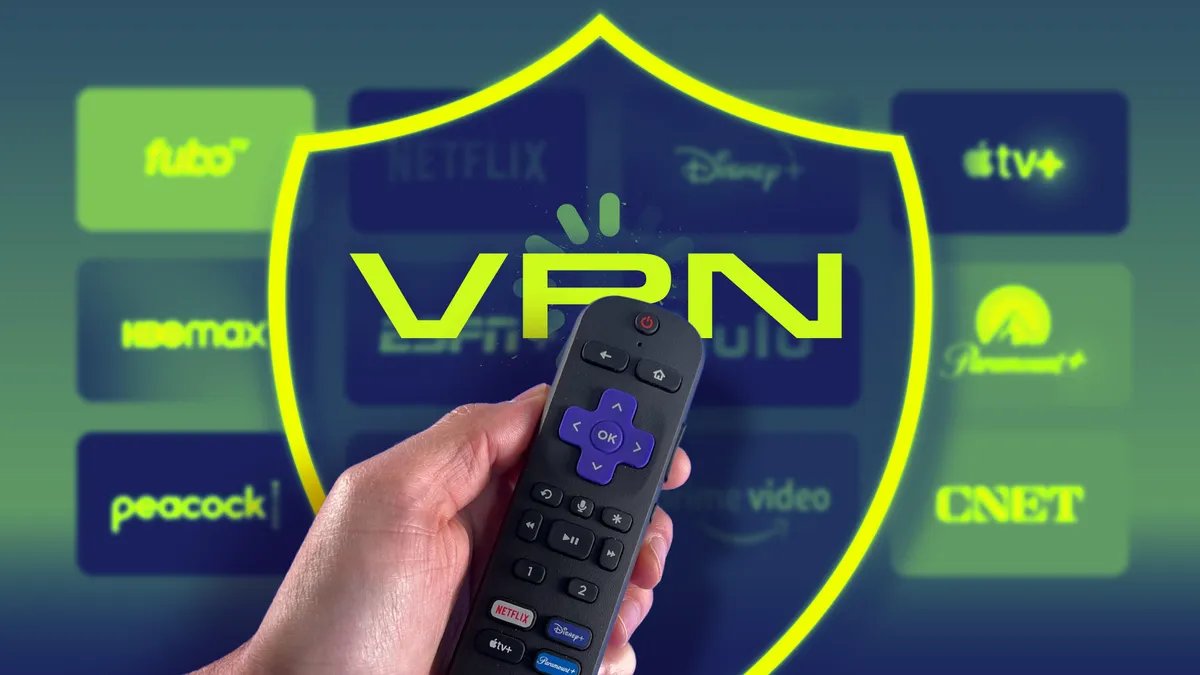
Four years after Lionel Messi’s crowning moment in Qatar, the FIFA World Cup is back, and it’s the biggest in the soccer tournament’s history, spanning 16 cities, 48 teams and a total of 104 matches across three countries: the US, Mexico and Canada.
The group stage has ended, and the pool of 48 has been whittled down to 32 teams. Now that we’re in the knockout stage, every game counts even more, with elimination on the line for the losing squad. Accordingly, you won’t want to miss any of the action.
Even if you’ve got access to the right streaming services in your home country, you may not be able to watch World Cup matches live if you’re traveling abroad during the tournament. Because of geoblocking, you may not be able to tune into foreign streaming services showing the matches for free.
Different broadcasters hold rights to show the tournament in various countries, for example, ITV in the UK, Fox and FS1 in the US or TSN in Canada. As a result, these services don’t work everywhere — unless you use a VPN. According to a survey by HostingAdvice, 42% of fans have used a VPN to stream a World Cup match — so you’re in good company.
A VPN, or virtual private network, lets you change your public IP address, which can make apps, websites and streaming services think you’re in another country, even when you’re not. You can therefore watch World Cup livestreams, including free ones, from almost anywhere. Here’s how you can use a VPN to watch the FIFA World Cup 2026.
Which countries offer free streaming of the World Cup?
Coverage of the FIFA World Cup 2026 in the US is not completely free. In the US, it’s split between Fox (70 matches) and FS1 (34 matches), both available through live TV streaming services like YouTube TV, Fubo, Hulu Plus Live TV, DirecTV and Fox One, all of which offer free trials. Telemundo broadcasts all matches in Spanish. You can stream select matches, including USA vs. Paraguay and Mexico vs. South Africa, on the free, ad-supported streaming app Tubi.
With an over-the-air antenna, you can watch Fox games for free. Pairing an antenna with an OTA DVR lets you record, pause and rewind live TV. You can even stream recorded content to devices like smart TVs and streaming boxes.
You can stream matches from apps in other countries for free using a VPN
There are several broadcasters around the globe showing a selection of matches — and in some cases, the entire tournament — free of charge in their home countries.
Free streaming services offering all 104 FIFA World Cup 2026 matches with English commentary — and no credit card details required — include:
Additionally, you can stream the World Cup from other sources, but broadcasts will not be in English:
English or not, all of these services are geo-restricted to their home regions, so you won’t be able to access them while abroad without a VPN.
Here’s how to use a VPN to watch the 2026 FIFA World Cup
Streaming services typically use your public IP address to determine your location and enforce geo-blocking. However, a VPN masks your IP address, making it appear as though your internet traffic is originating from another location, like a different city, state or country.
This allows you to “trick” streaming services into believing that you’re in the region where they’re licensed to show content, giving you access to streams that would otherwise be geo-blocked.
Step 1: Get a good VPN
Not all VPNs are built equal. If you want a simple, hassle-free streaming experience, pick a trustworthy VPN, ideally one of the best VPNs we tested. All of our tried-and-tested providers — ExpressVPN, NordVPN, Surfshark and Proton VPN — have thousands of servers across 100-plus countries, including all the major ones with sites offering free English-language World Cup 2026 livestreams.
Step 2: Download the VPN app on your preferred devices
Download your VPN’s app on every device you plan to stream the World Cup on. Each of our top VPN picks allow multiple simultaneous connections, meaning both you and your family members or friends can watch World Cup livestreams on your respective devices simultaneously. If you need to watch on more devices than your provider allows, you can run a VPN on your router or use a PC as a makeshift VPN router.
While many regional streaming sites offer apps for streaming devices, you may not be able to download them if you’re outside of that region. Instead, you may need to watch on your computer, phone or tablet in a browser. But if you still want to watch on your TV or projector, you can either screencast or use an HDMI cable.
Simply run an HDMI cable from your computer, tablet or smartphone to your TV, projector or monitor. Depending on your device, you may need a dongle. For instance, if your MacBook only has USB-C, you may need a dongle to connect an HDMI cable. You may also be able to cast from your device to your smart TV or streaming device using Chromecast or Apple AirPlay.
Step 3: Connect to a server in the right country
Open the VPN app and select a server in the country where the streaming service you want to access is available. For example, if you want to watch ITV’s free stream, connect to a server in the UK.
Click on the server of your choice, and the VPN will establish a secure connection within a few seconds.
That’s it! Your device’s IP address will now make it appear as though you’re in the UK, regardless of where you actually are. Head over to the streaming platform and watch matches live, potentially for free, from anywhere.
You should avoid free VPNs for World Cup streaming
Using a VPN is a great way to tune into the FIFA World Cup this year, as it allows you to access livestreams unavailable in your region and potentially even free ones. But those savings are best left to streaming services, not your VPN.
At CNET, we strongly advise against using a free VPN for streaming the World Cup. Even Proton VPN, the only free VPN we recommend, isn’t really cut out for streaming. Its free servers don’t officially support streaming, it only provides access to servers in 10 countries and you can’t manually select which server you connect to.
Nevertheless, Proton VPN’s free tier is excellent for day-to-day privacy protection. And it’s about as good as a free VPN can get — there are usability limitations, but it doesn’t compromise on privacy.
Some free VPNs are downright dangerous. With no paid service to support them, they may rely on logging user activity and selling personally identifiable data to third parties for profit. Some even come bundled with spyware or malware. At best, many free VPNs are simply slow or lack features like large server networks.
However, there are plenty of great budget-friendly VPNs, like Surfshark. If you really want to watch the World Cup without spending a cent, you can always take advantage of a VPN provider’s money-back guarantee and cancel before the refund period expires. That said, because the tournament runs for more than a month, doing so would likely mean missing at least some of the action.