dailynewsnblog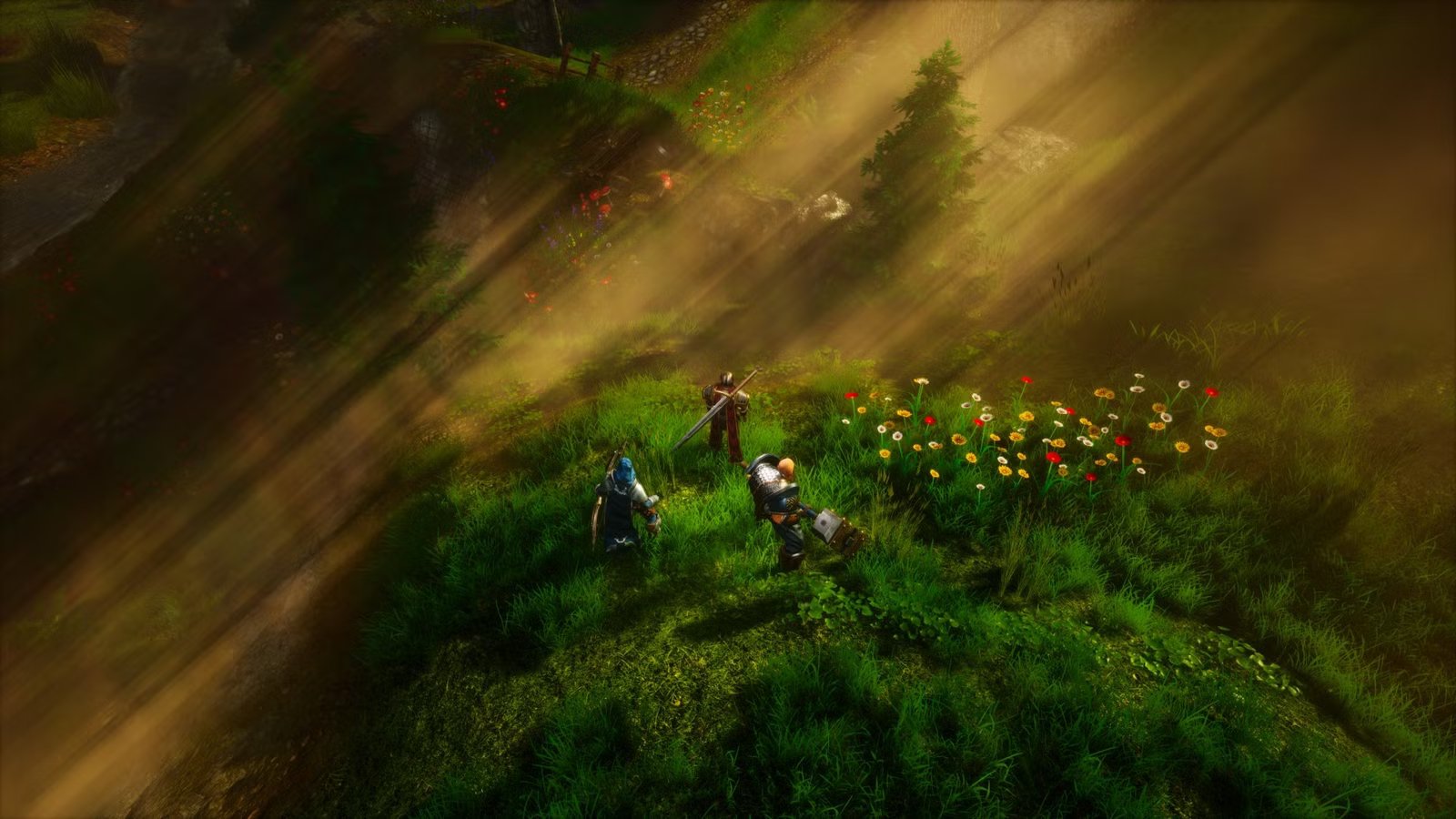
Autodesk isn’t exactly the most beloved software company around, and a small studio behind the action RPG Wigmund received an unpleasant reminder of why. After accidentally purchasing a fraudulent license for the 3D modeling software Autodesk Maya, indie studio The Scholastics was hit with a massive fine that threatened to bankrupt the company.
According to The Scholastics’ X account, last year it purchased two Maya licenses from the third-party platform eMag, which it described as “Romania’s largest official marketplace.” After 23 days of using the software, Autodesk contacted the team and demanded that they pay €14,742 (around $17,151 as of publishing) for utilizing Maya with an invalid serial number. The team wrote on X that they didn’t realize there was an issue until after the purchase and activation. At this point, they learned they had been added to a Taiwanese student development team’s Maya license.

They said the fine was several orders of magnitude more expensive than the $300/year Maya license they would normally allocate for the software, but they felt they had no choice but to pay the fee to avoid litigation. The team hopes to keep their studio above water and fund their next project with an 87% discount on their game Wigmund. It’s a fantasy ARPG inspired by Celtic and Anglo-Saxon folklore that uses “mouse-as-sword combat.” It came out in 2022 and is currently sitting at a Very Positive user rating on Steam.
Autodesk Maya remains one of the most popular 3D modeling tools, especially in the film industry, but smaller game studios often opt for Blender because it is a free, open-source alternative. After a user on X asked about the advantages of using Maya compared to Blender, The Scholastics’ account replied, “You have the privilege on having direct, tailored, personalized fines/penalties, made specially for your needs.”

Thankfully, there’s a bit of a silver lining. After the studio’s initial X post went viral, they wrote that the ensuing outpouring of support has helped them recoup a good portion of what they paid in fines. SteamDB shows that Wigmund received a modest but noticeable bump to its active user count in response to the social media post and sale. While nearly being sued by a massive software company isn’t an ideal path to discoverability, things seem to have worked out that way for this action RPG.

Steam game gets stolen 2 months before launch, assets and all
An indie game demo found success with a Chinese-speaking audience, but the visibility had a major repercussion