dailynewsnblog
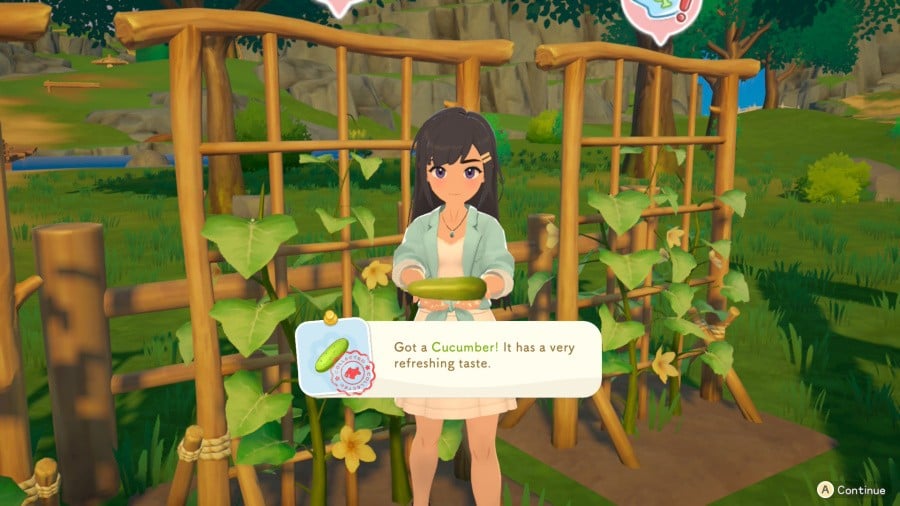
It’s easy to think there are as many cosy farm/life sims as grains of sand on a beach. Yet we cosy fans continually desire more: more land to till, more animals to raise, more money to make. Now Starsand Island has cropped up among the clutter.
Chinese developer Seed Sparkle Lab released it on Early Access in February 2026, and has now launched it on consoles. And although the gameplay loop is perfectly pleasant, it’s currently filled with bugs and performance issues that sandbagged my experience.
The story is pretty basic: you visited Starsand Island as a kid, and ten years later you’ve returned to escape your gruelling city life. There’s not much more to it than that, and I wished there was something to root my character to the farm itself.
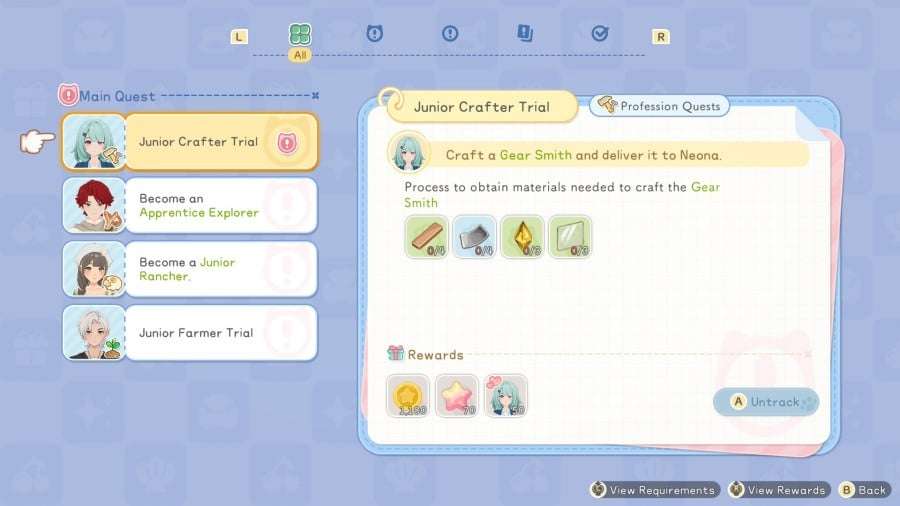
Gameplay will feel familiar to farming sim fiends. You play through the seasons, with events and crops tied to the time. You can take on different ‘Professions’: Crafting, Farming, Fishing, Ranching and Exploration. Each has specific tasks and sub-tasks to do, laid out in a togglable UI guide that’s helpful without holding your hand.
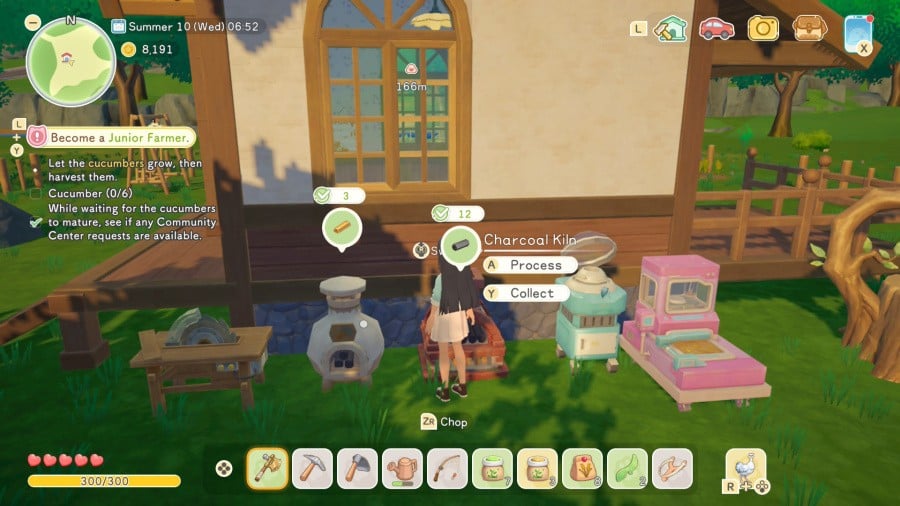
In the Crafting Profession you use processing equipment machines (worktable, looms, furnaces, cutters) to turn raw materials into other materials which you might use, gift or re-craft again. As a Farmer you tend to crops, experimenting with fertilisers and delivering items to restaurants or the ranch. Ranching sees you care for adorably-designed animals both real and mythical. The Fishing mechanic is close to SoS:PoOT’s, and gives you a giant aquarium to fill. In the Exploration Profession you travel to the Moonlit Forest to mine and fight monsters.
The combat is pretty simple – dodge enemy attacks and then hit them with your slingshot. You never have to ‘commit’ to a single Profession either – in fact, they feed into one another: Rancher quests give you rabbits which eat weeds to protect your Farming crops. The Crafting Profession requires you to mine ores in the forest, levelling up your Explorer Profession.
It’s set to music that blends into the setting. Some tunes reminded me of the Disney Dreamlight Valley soundtrack: bright woodwinds, light-touch violins and a slow tempo. Likewise, the game itself is slow, initially, but the loop gets more fun as you play, and soon I felt excited about my Profession progression.
The rewards systems are very granular. Coin is the main currency, and there’s Starsand for completing villager requests. You can exchange Starsand for benefits such as recovering stamina when sitting or increased chances of digging up chests.
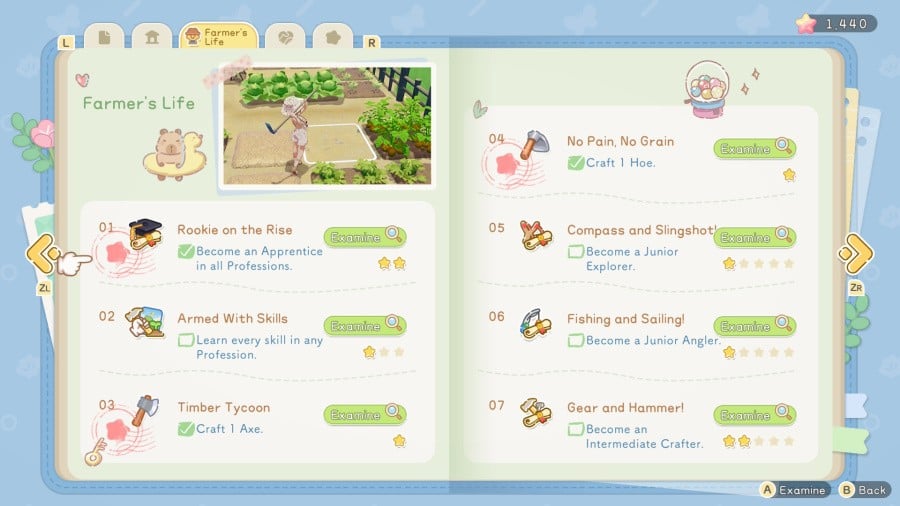
You have numbered levels associated with achievements like ‘Become an Apprentice in All Professions’. You collect stamps for reaching certain numbers of gatherables, crafting recipes, etc. Then there’s Island Life, which rewards basic gameplay, but you have to do tasks in a particular order. These could have been condensed into one simple system, a la Animal Crossing‘s Nook Miles.
Meeting certain NPCs opens an (inconsistently voice-acted) cutscene that looks like a meet-cute, your outings are called ‘dates’, and the affection system works similarly to other games: speak every day and give them gifts to increase their hearts. However, the game calls marriage ‘moving in’. That could either be inclusive or homophobic.
The devs have tried to give NPCs personality – an appendix houses full backstories for each – although I found most of them interchangeable, and their dialogue a bit bland. Many say they prefer machines or animals over humans, or, adversely, how they’re always happy to see you!
Dialogue may be a translation issue, but the characters also look similar. The art team seems extremely talented, and heavily influenced by Rune Factory or Genshin Impact, yet almost all the townsfolk share the same big shiny eyes, small frames and pale skin tone. More diversity among the characters would help avoid early-game confusion over who’s who.
Fans of the My Time games will be excited to see Portia’s Gust and Ginger, and Sandrock’s Fang and Nia, though they may be disappointed at the lack of related quests.
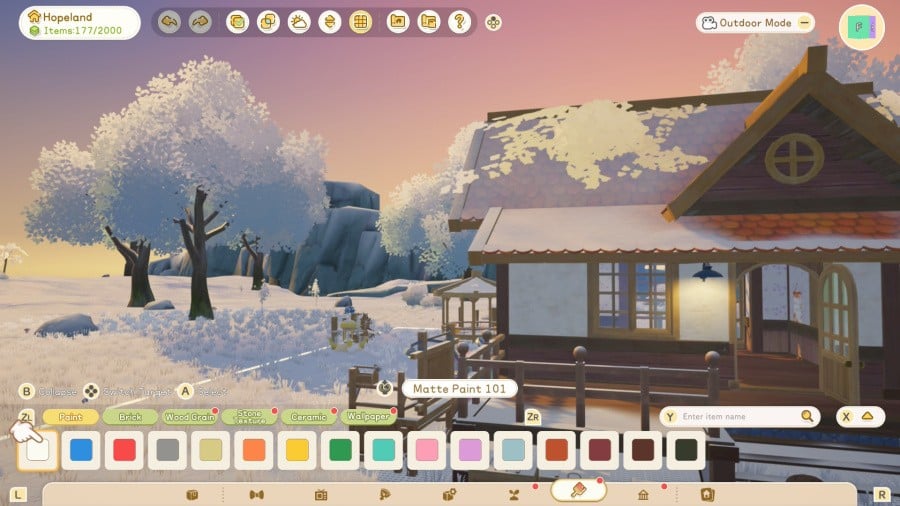
Your farmland gives you a bit of space to play with, and you can upgrade it later. Customisation is decent here, with a range of floors, walls and even grasses to make it your own. That is challenging, though, because Build Mode is kinda janky and slow, and suffers from bugs like equipment and doors disappearing completely. This feature does employ the Switch 2’s mouse function, though it’s still a bit clunky.
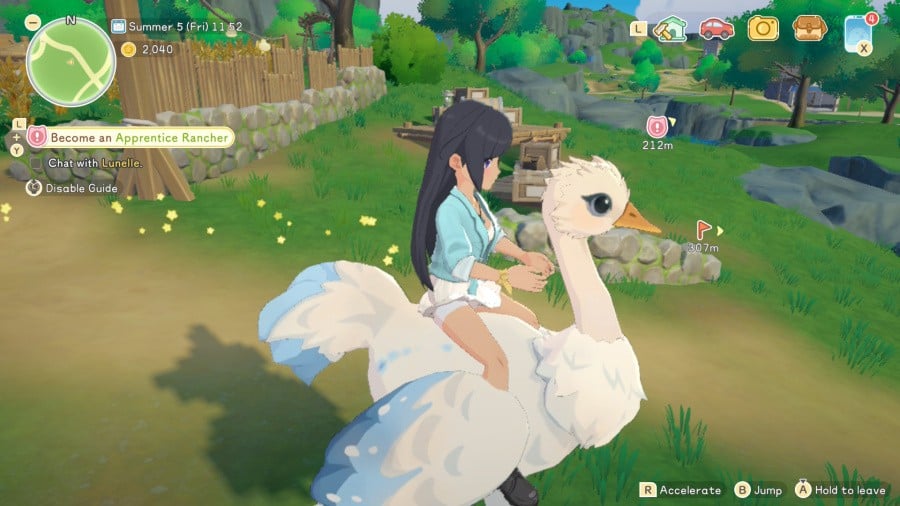
Performance issues abound outside the home too. Frame rate drops when you move so it feels like you’re running on sand. You can craft a skateboard, or rent a mount, scooter or car, although they’re all pretty clunky (still, casually riding an ostrich to the store is hilarious). It made me grateful for games where getting around was actually smooth and easy.
Speaking of taking things for granted, menus are a stand-out: user-friendly, detailed and helpful. Selecting an item shows you a mini encyclopaedia: sale price, origin, crafting recipe. Processing unit menus have a shortcut to upgrade them. Crafting menus clearly mark quest recipes, while an on-screen checklist displays quest-related items. These details are small on handheld, but useful nonetheless.
I’ve mentioned a few performance issues, but, like sand after the beach, they keep appearing. Starsand Island doesn’t run nearly as well as it should on such a powerful console. The devs released a patch mid-play, making some minor improvements. Nonetheless, issues were still present at time of writing.
It’s often stuttery, slow and unresponsive; when you select, say, something in the inventory, or a fast-travel point, or a recipe to craft, there’s a beat before anything happens. Completing quests was occasionally impossible: I couldn’t hand over an item, or the quest reappeared after I’d completed it. Worse, I beat a boss in the forest, only for it to respawn after I’d picked up the post-battle loot. The load screens can be over one minute long. And I lost count of how many times the game crashed – even post-patch.
Conclusion
As far as the core game goes, there’s nothing truly terrible about Starsand Island, but there’s not a lot unique either. The gameplay loop is pleasant, picking your own path is nice, and the menus were extremely helpful. It’s a decent length at over 60 hours minimum – though with the slow load times and delays it can be much longer. In fact, the ubiquitous bugs and performance issues weigh the entire experience down.
If you take away all the bugs, the game is reasonably fun. It’s just hard to justify picking this one when there’s a sandstorm of cute cosy farm sims on the eShop. Still, if the anime art style and gameplay loop grab you, I’d suggest waiting until the bugs get patched, or seeking it out on another platform.