dailynewsnblog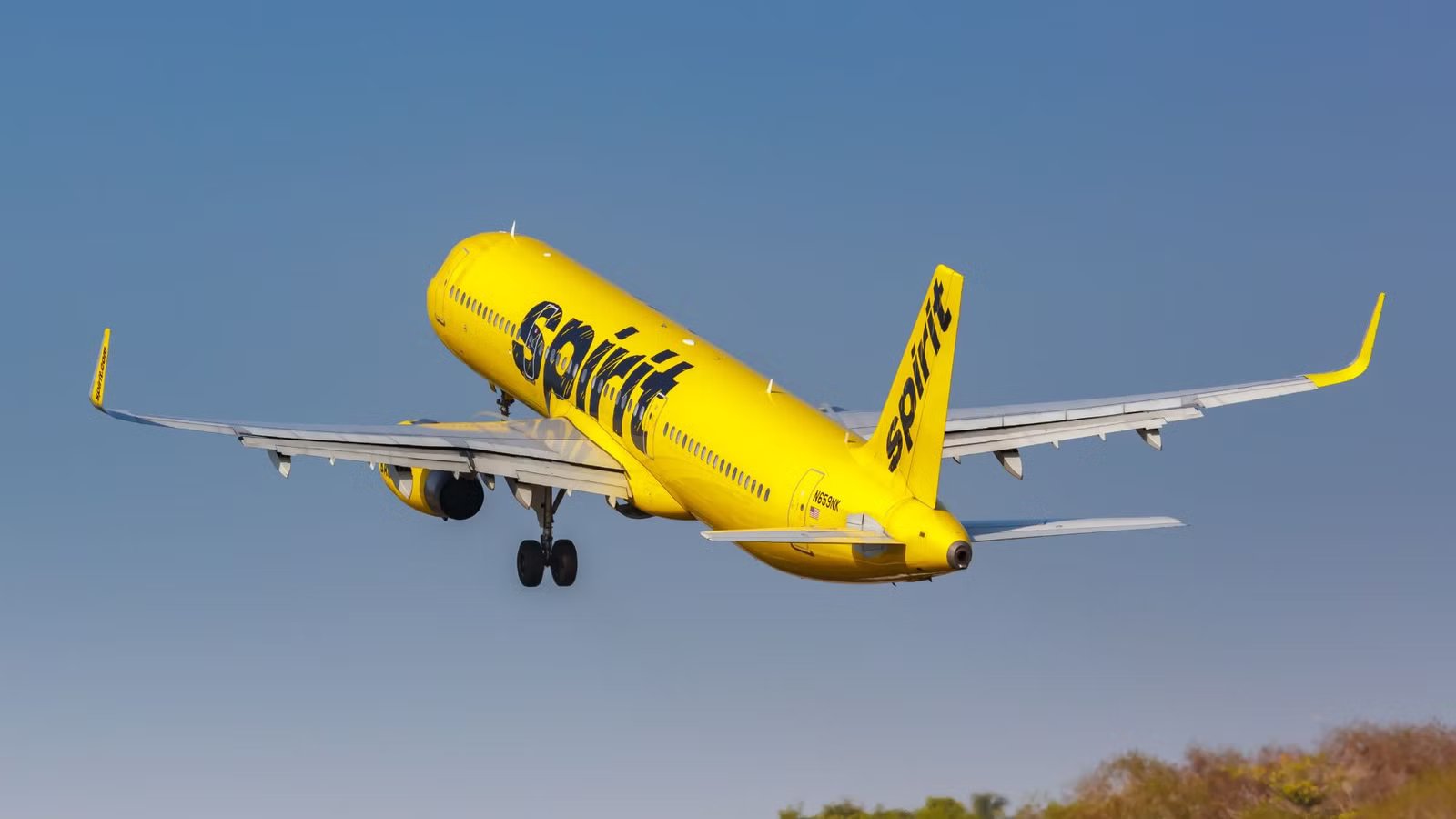
Spirit Airlines’ collapse has created an unusual opportunity in one of the most tightly controlled corners of the US aviation industry. The New York Times has reported that a bankruptcy court has authorized the sale of the carrier’s 22 daily flight slots at  LaGuardia Airport (LGA), an asset that could be worth as much as $87 million (€75.4 million). While access to LaGuardia is highly coveted because of strict federal limits on takeoffs and landings, the process of finding a buyer is proving more complicated than the headline valuation suggests.
At the center of the debate is a fundamental question about the economics of modern air travel. Regulators would prefer Spirit’s former presence at LaGuardia to be replaced by another low-cost airline that can preserve competition and keep fares affordable. Yet the same financial pressures that contributed to Spirit’s downfall raise doubts about whether budget carriers can profitably operate at one of the nation’s most expensive and congested airports.
Why Spirit’s LaGuardia Slots Are So Valuable

LaGuardia is one of the few airports in the United States where access remains tightly controlled through a slot system administered by the Federal Aviation Administration. Airlines cannot simply add flights whenever they choose; instead, they must secure permission to take off and land at specific times. This scarcity gives slots substantial value, particularly at airports serving major business and leisure markets such as New York City.
The 22 daily slots previously held by Spirit represent a relatively small share of LaGuardia’s total capacity. For reference, as of summer 2025, Delta Air Lines held around 511 slots and American Airlines a sizable 1,141. That being said, Spirit’s slots do offer immediate access to a market that would otherwise be difficult to enter. Building a presence at a constrained airport can take years, making available slots a rare commodity. For airlines seeking greater exposure to New York travelers, acquiring the rights could provide a shortcut to expansion.
The slots are only one component of Spirit’s broader bankruptcy estate. Aircraft, engines, and spare parts are expected to generate significantly larger proceeds for creditors. Nevertheless, the LaGuardia slots have attracted outsized attention because of their unique position.
Simple Flying has contacted LaGuardia Airport for a comment on the slot sale.
The Challenge Facing Low-Cost Carriers

Although regulators have expressed a preference for another budget airline to assume the slots, operating at LaGuardia presents challenges that can undermine the low-cost business model. Airport fees and operating expenses have increased substantially in recent years, making it more difficult for carriers focused on low fares to maintain profitability while serving the airport.
Spirit’s own experience highlights these difficulties. The airline ceased operations and entered liquidation in 2026 after accumulating more than $2.5 billion (€2.15 billion) in losses since 2020. Despite owning valuable assets, including aircraft and engines valued at more than $1 billion (€866 million), the carrier was unable to overcome mounting debt, rising operating costs, and intense competition from larger rivals. Its collapse demonstrated how difficult it can be for ultra-low-cost airlines to compete at expensive, capacity-constrained airports where dominant carriers benefit from larger networks, stronger loyalty programs, and more diversified revenue streams.
Even if a budget airline acquires the slots, questions remain about whether the scale is sufficient to justify the investment. Eleven daily round-trip flights may not provide enough operational flexibility or market presence to support sustainable growth. Without a larger network at LaGuardia, a low-cost carrier could find itself facing the same competitive pressures that contributed to Spirit’s decline.

Spirit Won’t Be The Last: IATA Warns Of More Failures, Halves Profit Outlook To $23B
2026’s steadily worsening forecast for affordable airlines.
Regulators And Airport Authorities Want Different Outcomes

The FAA’s primary concern is preserving competition and maintaining affordable travel options for consumers. Agency officials have indicated that they would like to see the slots transferred to an airline capable of continuing Spirit’s role as a lower-fare competitor. Some regulators have even suggested that if a suitable replacement cannot be found, reducing overall airport congestion could become a consideration.
Meanwhile, the Port Authority of New York and New Jersey has emphasized the importance of airport operations and infrastructure. The agency argues that any airline acquiring Spirit’s slots should also assume its lease at Terminal A, ensuring that the facility remains fully utilized and financially supported. Airport officials fear that separating the slots from the terminal could create operational imbalances elsewhere at LaGuardia.
Simple Flying Quiz
What Aircraft Type Are You?
Five questions. One aircraft. Find out which plane best matches your personality.
Question 1 of 5
How do you prefer to travel?
Question 2 of 5
What’s your ideal weekend away?
Question 3 of 5
How do you handle a busy schedule?
Question 4 of 5
What matters most to you on a long trip?
Question 5 of 5
How do others describe you?
Your Result
The Explorer
Cessna 172
You value freedom, simplicity, and the joy of the journey itself. You’re happiest when you’re in control, taking life at your own pace and discovering the world one small airfield at a time. No crowds, no queues — just sky.
Your Result
The Workhorse
Boeing 737
Reliable, efficient, and always in demand. You get the job done without fuss, keeping things moving for everyone around you. You’re the backbone of any operation — proven, dependable, and trusted the world over.
Your Result
The Icon
Airbus A380
You think big. More space, more comfort, more presence — you believe in doing things properly and on a grand scale. When you walk into a room, people notice. You’re built for the long haul, and you do it in style.
Your Result
The Pioneer
Concorde
Speed, ambition, and a refusal to accept limits define you. Every second counts, and you’d rather break the sound barrier than wait in line. You were ahead of your time — bold, brilliant, and utterly unforgettable.
These competing priorities are likely to influence both the bidding process and any final approval decisions. While airlines will focus on the financial value of the slots, regulators and airport authorities are evaluating broader issues such as market competition, passenger access, and airport efficiency. The eventual outcome will determine not only who gains access to LaGuardia, but also how one of America’s most constrained airports evolves in the post-Spirit era.