dailynewsnblog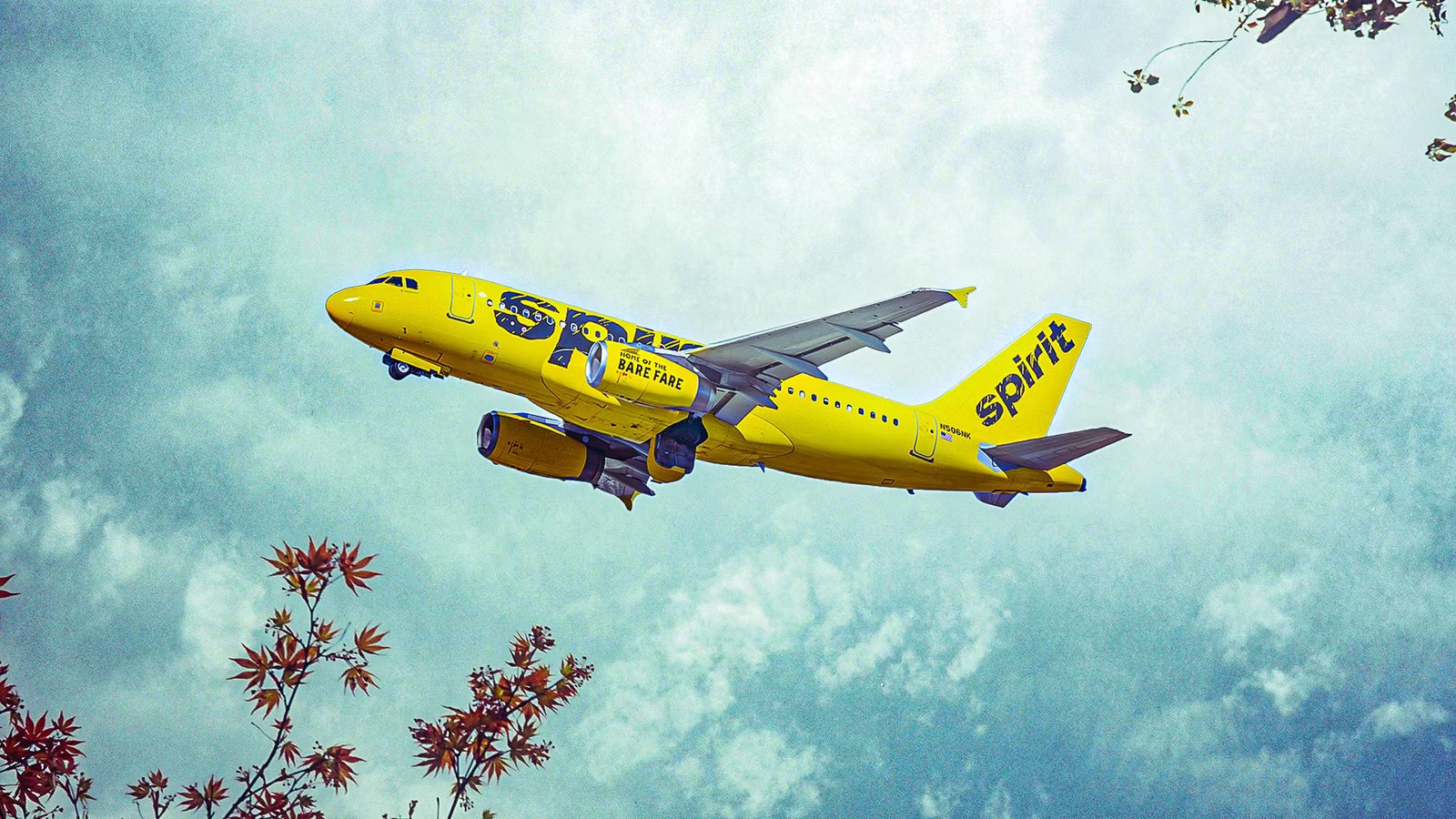
Spirit Airlines was already in serious trouble before the war in Iran began. The Florida-based ultra-low-cost carrier had filed for bankruptcy twice in less than a year, burned through more than $1.2 billion in annual losses, watched a $3.8 billion merger with JetBlue get blocked by a federal judge, and lost significant chunks of its network to competitors who had been circling for years. By March 2026, it had a restructuring plan in place, a court agreement with its lenders, and what looked like a credible path to emerging from Chapter 11 by early summer.
Then, jet fuel prices roughly doubled. The conflict involving Iran disrupted oil supplies through the Strait of Hormuz, sending fuel costs well beyond anything Spirit’s recovery plan had accounted for. A restructuring built around $2.24 per gallon fuel does not survive $4.60 per gallon fuel, and Spirit’s finances deteriorated fast enough that by late April, the airline’s own lawyer was telling a bankruptcy court the cash would not last much longer. The Trump administration has since confirmed it is considering a rescue package that could give the federal government a 90 percent stake in the carrier.
Two Bankruptcies In Less Than A Year

Spirit Airlines did not collapse suddenly. It arrived at its current position through a sequence of setbacks, each one narrowing the airline’s options a little further, until there were almost none left. The trouble began in earnest in 2022, when Spirit agreed to merge with Frontier Airlines, only for JetBlue Airways to swoop in with a competing $3.8 billion all-cash offer that Spirit shareholders preferred. A federal judge blocked the JetBlue deal on antitrust grounds, ruling that it would drive up fares and reduce competition, a decision that left Spirit without the financial resources and market scale a merger would have provided, and without a clear path forward as a standalone carrier.
What followed was a compounding series of operational and financial blows. A Pratt and Whitney Geared Turbofan engine recall grounded a significant number of Spirit’s Airbus jets in 2023, keeping aircraft out of service for months at a time. Consumer preferences, meanwhile, were shifting away from the ultra-low-cost model that Spirit had built its identity around, with passengers increasingly willing to pay more for a more comfortable experience. Costs rose sharply after the pandemic, while revenues failed to keep pace. Spirit filed for Chapter 11 bankruptcy in November 2024, citing annual losses of more than $1.2 billion, and then filed for a second Chapter 11 on August 29, 2025, an almost unprecedented sequence for a major US carrier.
By the time Spirit entered its second bankruptcy, competitors had already begun filling the space it was vacating. United, JetBlue, and Frontier aggressively added flights to Spirit’s most profitable hubs, including Fort Lauderdale and Orlando, while United separately purchased Spirit’s final two designated gates at Chicago O’Hare for approximately $30.2 million. The yellow planes that had once been a fixture at budget-conscious airports across the country were becoming noticeably scarcer. Spirit was still flying, but the runway ahead was getting shorter with every filing.
The Plan That Was Supposed To Work

When Spirit filed its Restructuring Support Agreement and Plan of Reorganization with the bankruptcy court on March 13, 2026, there was a credible case that the airline had finally found a path through. The plan called for Spirit’s total debt and aircraft lease commitments to fall from approximately $7.4 billion before the filing to around $2.1 billion after emergence, a reduction of more than $5 billion that executives said would restore the carrier’s long-term competitiveness. The agreement had the support of the airline’s DIP lenders and secured noteholders, providing it with a foundation that previous restructuring efforts had lacked. A summer 2026 exit from Chapter 11 was the target, and as of mid-March, it looked achievable.
The operational changes accompanying the financial restructuring were equally significant. Spirit planned to rightsize its fleet to 76 to 80 aircraft by the third quarter of 2026, primarily consisting of Airbus A320 and A321ceo jets. The airline also announced a meaningful shift in its product strategy, moving away from the bare-bones ultra-low-cost model that had defined it for years. Spirit planned to fully transition its fleet to feature eight Big Front Seats and 42 premium economy seats per aircraft, with the expanded premium capacity expected to generate an additional $44 million in revenue in 2026. A new revenue management platform was also part of the plan, designed to support longer-term network scheduling and a seat-buyback and resale program.
The numbers, taken at face value, were not unreasonable. Spirit’s own projections showed an estimated Q1 2026 operating margin of negative 5.6 percent, a significant improvement from the negative 27.1 percent recorded in Q1 2025, with a small profit of $55 million projected for 2027 at an operating margin of 8.1 percent. The plan assumed a leaner, more focused airline serving its strongest markets with a product that could generate better yields than the stripped-down cabin it had always offered. It was a modest ambition by any measure, but modest was exactly what Spirit needed. The problem was that the plan rested on a fuel price assumption that was about to be overtaken by events entirely outside the airline’s control.

Sources: Spirit Airlines Could Shut Down By Week’s End As Bankruptcy Recovery Regresses
The troubled budget carrier is on the rocks again.
The Iran Conflict Blew A Hole In The Numbers

Spirit’s restructuring plan was built around a fuel price assumption of $2.24 per gallon for 2026. When U.S. and Israeli forces struck Iran in late February, that assumption became untenable almost overnight. Jet fuel prices have roughly doubled in Europe since the start of the war, with the Strait of Hormuz, a critical shipping channel for oil and fuel out of the Persian Gulf, largely closed to tanker traffic since the conflict began. The United States, as a net exporter of jet fuel, was somewhat insulated from the worst of the disruption, but not immune. U.S. jet fuel prices rose approximately 70 percent above pre-war levels, a figure that would be painful for any airline but was potentially fatal for one already navigating bankruptcy on margins measured in fractions of a percent.
The arithmetic was brutal. J.P. Morgan estimated that if fuel stayed at $4.60 a gallon, Spirit’s projected operating margin for fiscal year 2026 could deteriorate to approximately negative 20 percent from the 0.5 percent margin proposed in the restructuring plan, potentially adding $360 million to the company’s expenses for the year, a figure exceeding its entire cash balance at the end of fiscal year 2025. A plan that had looked conservative and achievable in March was now describing a company that did not exist. Spirit warned in its annual financial report that the jump in fuel costs would have an immediate and substantial negative impact on results, potentially upending its deals with lenders and pushing it into liquidation.
The broader aviation industry was absorbing the same shock, but from a position of relative strength. Delta estimated that higher fuel prices would cost it an additional $2 billion in the quarter, but carriers with premium-heavy revenue bases and high-end demand were better positioned to pass costs on to travelers through higher fares and surcharges. Spirit had no such buffer. Its entire business model was built on being the cheapest option in the market, which meant it had limited ability to raise fares without destroying the price advantage that was the only reason passengers chose it in the first place. The fuel spike did not create Spirit’s problems. It simply removed the last remaining margin for error.

Spirit Slashes Fleet To 80 Planes: Can It Survive The Iran War Fuel Crisis?
The carrier significantly outperformed analyst expectations.
Trump, A $500 Million Lifeline, And A Government Takeover

With Spirit’s cash running low and its restructuring plan in tatters, the airline’s lawyer told a bankruptcy court hearing this week that the carrier’s accessible funds would not last much longer. Behind the scenes, talks had already begun with the Trump administration about a rescue package. What emerged was a proposal for a $500 million government loan that could give the United States a potential 90 percent stake in the airline, along with the right to select a board member. The deal would put the federal government ahead of existing lenders in the capital structure, a term that made Spirit’s secured creditors notably uncomfortable.
President Trump confirmed the discussions publicly on Thursday, framing the potential intervention in characteristically transactional terms. Trump said the strategy would be to put a smart person in charge to run the airline properly, wait for oil prices to drop, and then resell the company for a profit once it became a valuable asset again. Spirit’s CEO responded cautiously, expressing gratitude for the administration’s interest while stopping short of confirming any agreement was in place.
The proposal immediately drew scrutiny. Government intervention in the airline industry is not without precedent. During the COVID-19 pandemic, the federal government provided more than $50 billion in payroll support and loans to passenger airlines under the CARES Act, in exchange for stock warrants as partial compensation for taxpayer-funded assistance. But the Spirit proposal is structurally different in a meaningful way. Those warrants gave the government a modest equity position spread across a large portion of the industry. A 90 percent controlling stake in a single carrier, structured around a future resale at profit, is a different kind of intervention entirely, and one that has no clear modern precedent in American commercial aviation.