dailynewsnblog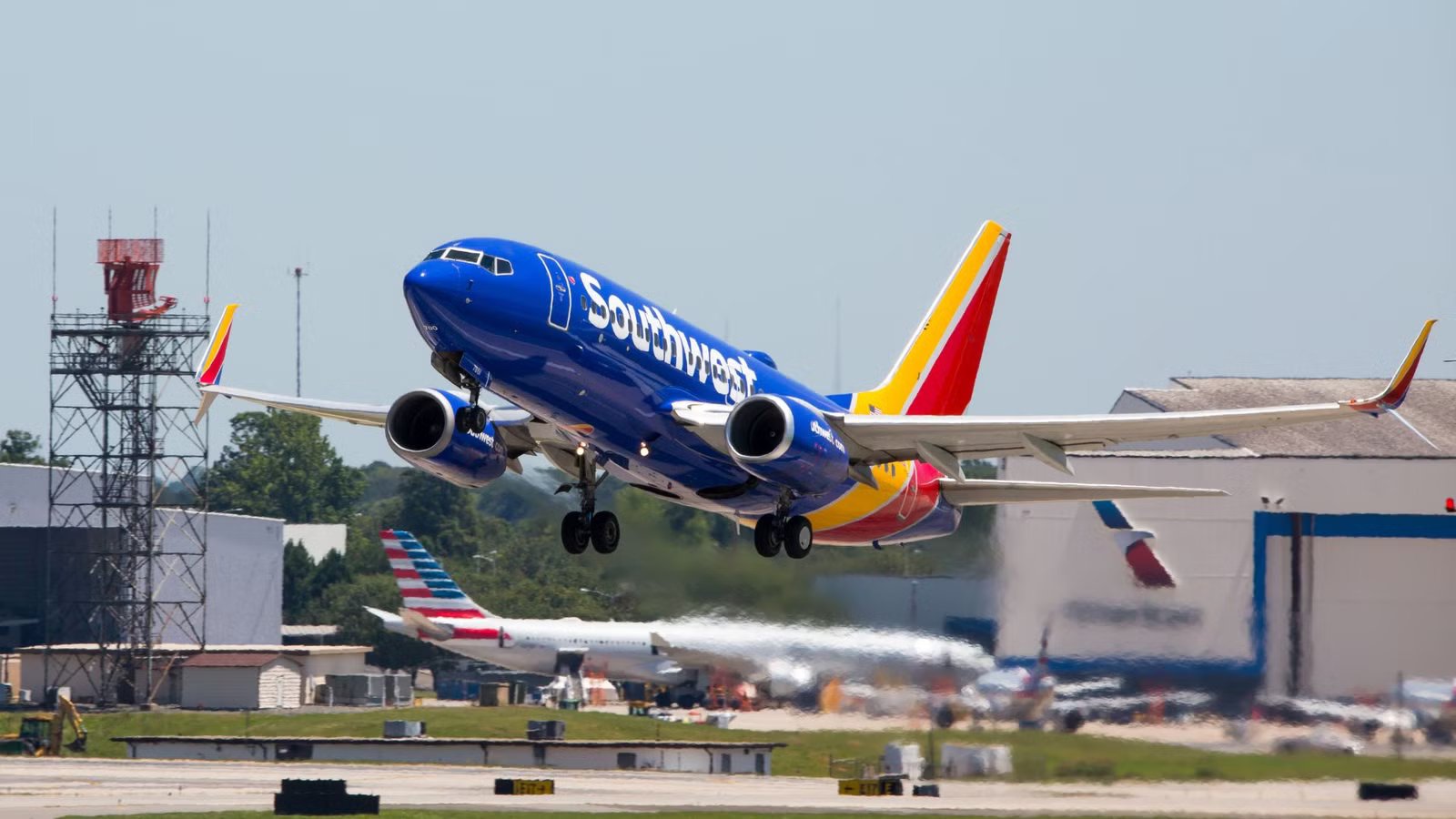
 Southwest Airlines is facing growing pressure after controversial changes to its plus-size passenger policy triggered weeks of backlash across social media and travel communities. The dispute began after the airline introduced stricter seating requirements tied to its new assigned seating system, replacing the more flexible approach that had defined Southwest for decades. What started as an operational policy change quickly evolved into a broader debate about accessibility, fairness, and how airlines accommodate larger travelers in an era of shrinking seat sizes.
The controversy has resonated widely because it touches on a larger industry problem. Economy airline seats have steadily become smaller over the past several decades, with many standard seats now measuring just 17 to 18 inches (43 to 46 cm) wide. Critics argue that airlines have reduced passenger space to maximize capacity, creating increasingly uncomfortable conditions for travelers of all body types. According to a report by People Magazine, the airline is now reconsidering.

For years, Southwest’s “Customer of Size” program was considered one of the most accommodating policies among major United States airlines. Travelers who needed extra space could either request an additional seat at the gate if available or purchase a second seat in advance and later apply for a refund. The policy helped Southwest build strong loyalty among plus-size passengers who often felt underserved by other carriers.
That changed when the airline moved to assigned seating in January. Under the revised rules, passengers who could not sit comfortably within one seat with both armrests lowered were expected to purchase an additional adjacent seat before flying. If travelers arrived without a second seat booked and the flight was full, they could be rebooked onto another flight or forced to pay expensive same-day fares.
The financial impact became one of the biggest sources of criticism. Some travelers claimed online that they were quoted between $400 and $800 for additional seating costs on certain routes. Others pointed out that Southwest’s updated policy only allowed refunds under specific conditions, including flights departing with empty seats and refund requests being submitted within 90 days.
Simple Flying has contacted Southwest for a comment.
Viral Complaints Intensified the Backlash

The policy quickly became a viral topic on social media, where travelers shared stories about uncomfortable interactions with airline employees. Several passengers described being approached publicly at airport gates and asked to discuss their body size in front of other travelers. Critics argued that these interactions created embarrassment and confusion because there were no standardized measurements for determining who qualified as a “Customer of Size.”
Advocacy organizations also raised concerns about inconsistent enforcement. The Obesity Action Coalition publicly called on Southwest to “immediately establish clear, consistent and respectful standards for its Customer of Size (CoS) policy” after receiving complaints from travelers who said different gate agents handled the policy differently. The group warned that subjective enforcement placed unfair pressure on both passengers and frontline employees.
Simple Flying Quiz
Easy (15s)Medium (10s)Hard (5s)
The backlash exposed how divided public opinion remains on airline seating policies. Some passengers defended the rules, arguing that airlines have limited space and that travelers requiring additional room should pay for it. Others countered that airlines themselves created the issue by shrinking seats and reducing legroom over time. Many studies show the average economy seat pitch on many airlines has dropped from roughly 35 inches (89 cm) in the 1980s to closer to 30 inches (76 cm) today, intensifying discomfort for many travelers regardless of size.
Why Southwest Airlines’ New Assigned Seating System Created Problems It Didn’t Anticipate
The airline recently changed its long-standing boarding process.
Southwest Now Appears To Be Reconsidering

Amid mounting criticism, reports began circulating that Southwest may be softening parts of the policy. Viral videos claimed gate agents had started allowing customers to receive additional seats at no charge again when flights were not full, echoing elements of the airline’s previous approach. Those reports fueled speculation that Southwest was attempting to quietly ease tensions without formally abandoning the policy altogether.
The airline later confirmed that airport employees are empowered to provide additional seating at no extra cost when open seats are available. While the company has not announced a complete reversal, the statement was widely viewed as an acknowledgment that the rollout created operational and reputational problems.
The controversy has also highlighted how Southwest compares with competitors. Airlines, including American Airlines, United Airlines, Frontier Airlines, and Spirit Airlines, generally require passengers needing extra space to purchase another seat without guaranteed refunds. Alaska Airlines currently offers one of the closest alternatives to Southwest’s former policy by allowing refunds for second seats when flights are not full. As airlines continue balancing passenger comfort with profitability, Southwest’s handling of the situation could influence how the broader industry approaches plus-size travel policies in the future.