dailynewsnblog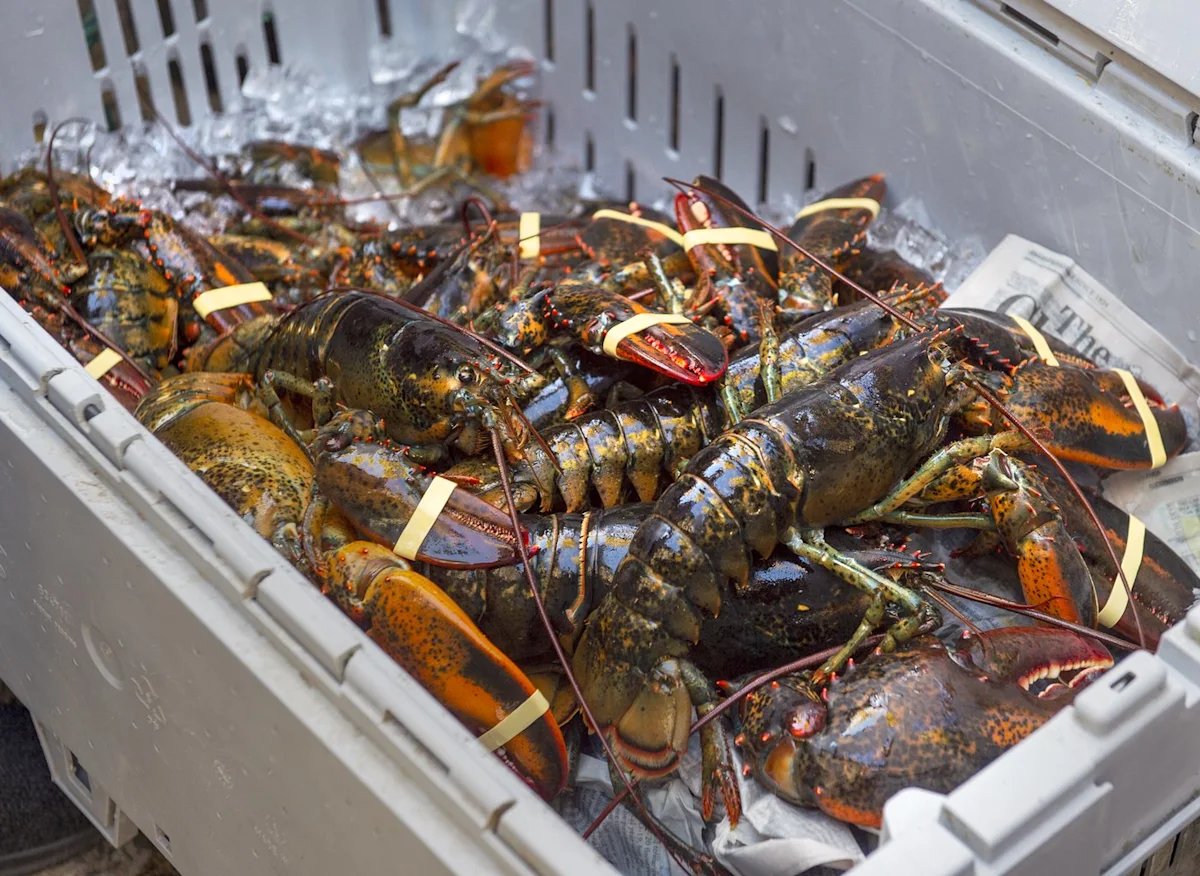

NODDY BAY — Carl Hedderson has been fishing for 50 years, but never thought he’d see as many lobsters as he does now around Newfoundland’s remote and rugged Great Northern Peninsula.
Based in Noddy Bay, 300 kilometres north of Deer Lake at the peninsula’s northern tip, Hedderson says he’s gone walking on the beach at night with a flashlight looking for squid all his life.
“I never ever saw a lobster, but now you do it and you see lobsters crawl around by the beach in the nighttime,” he said in a recent interview.
“The weather (has) changed. The temperature’s changed. I guess it got right for them, and with (lobster) moving north, I guess they got a better survival rate and are growing faster.”
Lobster is big business in the other Atlantic provinces, but has traditionally been less valuable in Newfoundland and Labrador. Nova Scotia landed nearly $962 million worth of the crustacean in 2024 according to Fisheries and Oceans Canada. New Brunswick brought in about $323 million while Prince Edward Island clawed in almost $318 million.
Newfoundland and Labrador’s reported landings were about 3,300 tonnes in 2018, worth about $48 million. The lobster catch has more than doubled since, with 9,400 tonnes worth $137 million reported in 2024.
Darrell Mullowney, a fisheries department research scientist, says lobsters prefer a “Goldilocks zone” where the water isn’t too hot or too cold. Traditionally that zone has been around the northeast waters of the U.S. and around the Maritime provinces, with Quebec and Newfoundland at the extreme north of the range. He says in recent years climate change has pushed the centre of that Goldilocks zone north.
“It’s becoming very important to us in terms of rankings of economic returns from important fisheries in Newfoundland,” Mullowney said in an interview. “Snow crab dominates, but lobster is now creeping up to number two or number three in recent years, kind of rivalling northern shrimp. So it’s put itself on the radar.”
Hedderson says officials opened other areas of the province to fishing for species such snow crab or northern shrimp when the cod fishery collapsed in 1992, but that didn’t happen in his area where just a handful of people have lobster licenses. He says participation in the local fishery has dwindled over the decades and that’s had a big impact in a rural area with few other economic options.
“All our young people are gone,” he said. “We would have been booming if they could have (fished) lobster. The young people could have stayed. They could have made some money.”