dailynewsnblog
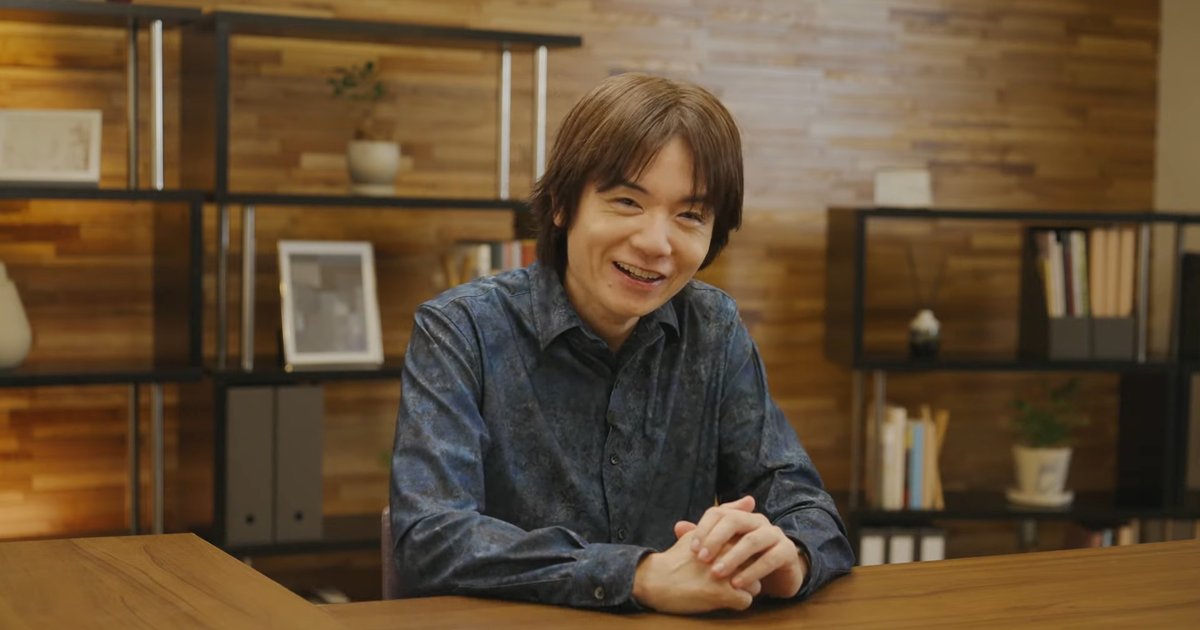
Masahiro Sakurai has spoken about the pitfalls of generative AI use in game development, saying that while he believes the technology will result in a surge of unoriginal video games, human creativity – such as that shown by designers like Ico’s Fumito Ueda – can’t be replicated.
In an interview with Japanese news outlet Denfaminicogamer, Sakurai was asked about his time judging for the Game Designers Awards (a role he recently retired from) and his thoughts on the massive increase of game releases since the awards began. In 2010, 275 games were published on Steam, whereas more than 19,000 released this year.
“19,000 is amazing, but I think that number will increase even more from now on,” Sakurai said (as translated from Japanese using Google Translate). “I’m sure of it. That’s because AI will increase the number. However, I think most of them will become ‘unprofitable titles’. There are too many to keep track of, and it’s impossible to understand them all.
“When it comes to things created with AI… or things mass-produced with poor quality, I think most of them will simply be reproductions of systems seen in various other games. I think there are already a lot of those now.”
Sakurai then spoke about a recent (and lovely) release called Librarian: Tidy Up the Arcane Library!, which challenges players to organise books on shelves, and pointed to other puzzle games with similarly simple premises, such as finding a needle in a haystack or organising a supermarket. These kinds of games, he suggested, will be very easy for AI to replicate.
We’ve already seen this happen, of course. Needle in a Haystack Simulator, for example – which asks players to find a needle buried among 5 million pieces of hay – went viral thanks to its absurd yet compelling premise. Following its surge in popularity, copies were quickly created, prompting Needle in a Haystack developer Studio Bitdot to plop a bright red “original” tag on its Steam artwork.
But Sakurai continued, saying generative AI may become powerful enough to replicate more complicated games, like acclaimed designer Fumito Ueda’s Ico or Shadow of the Colossus. However, he emphasised that Ueda’s future games will be “something that AI simply cannot replicate … What kind of artistic style will his future works possess? That’s something only he can create. I think that’s where human creativity lies.”
“Basically, AI refers to things that have been created so far, but it can’t refer to things that haven’t been created before,” Sakurai elaborated. “I think this is true not only for AI, but for various kinds of creative works as well.
“I wouldn’t go so far as to call them ‘pioneers’, but rather people who forge their own path… people who understand and can create their own unique flavour… will become increasingly important from now on. I think this is especially true in an era of mass production and low-quality goods.”
Quickly made AI games have become an increasing presence in the games industry of late. Valve’s current Steam Next Fest features more than double the number of demos compared to last year, due in part to the influx of ‘AI slop’. Some indie developers have even pulled planned demos and playtests out of fear their games might be copied by AI before they’re properly released.