Sinking AI stocks and rising oil prices weigh on Wall Street


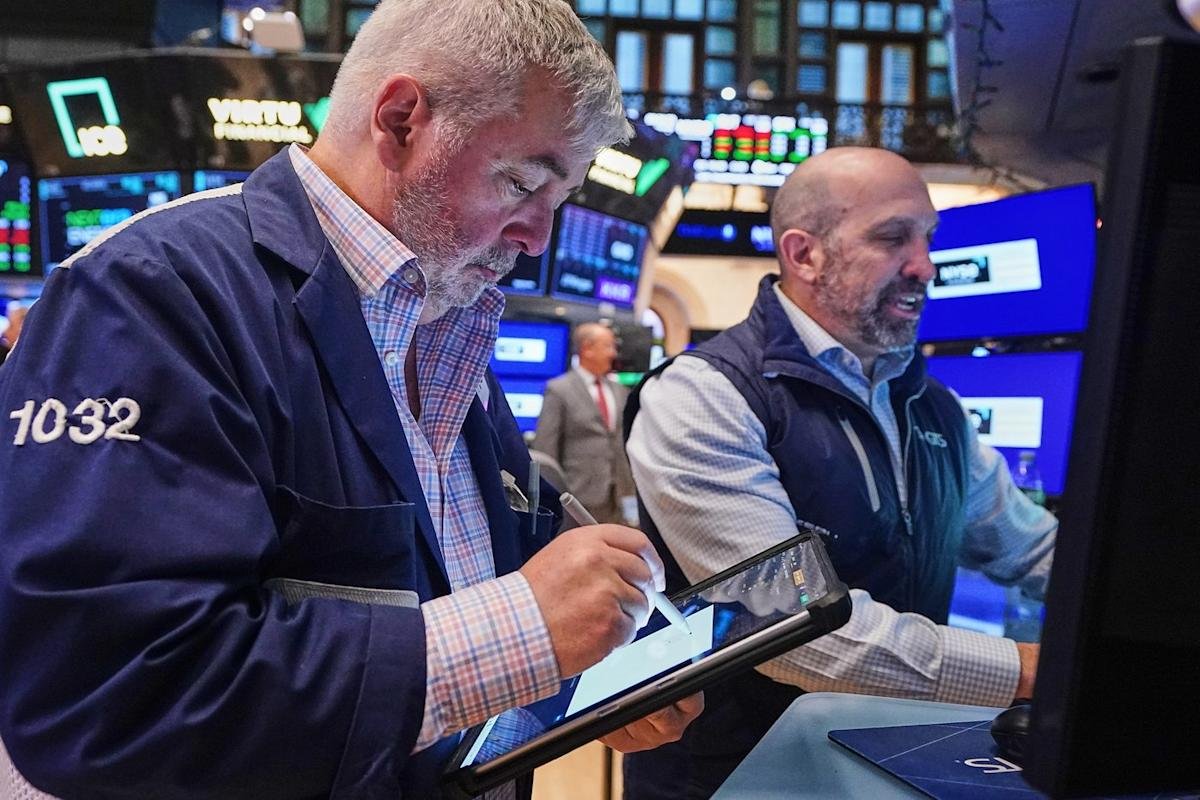
NEW YORK (AP) — Sinking AI stocks and another climb in oil prices because of the Iran war are helping to halt Wall Street’s record-setting rally on Tuesday.

The S&P 500 fell 0.5% from its latest all-time high. The Dow Jones Industrial Average was down 48 points, or 0.1%, with an hour remaining in trading, while the Nasdaq composite fell 0.8% from its own record.

Stocks in the artificial-intelligence industry led the way lower. Chip company Broadcom was the heaviest weight on the S&P 500 after sinking 4.2%. Drops of 1.1% for Nvidia and 3.1% for Micron Technology also undercut the market.

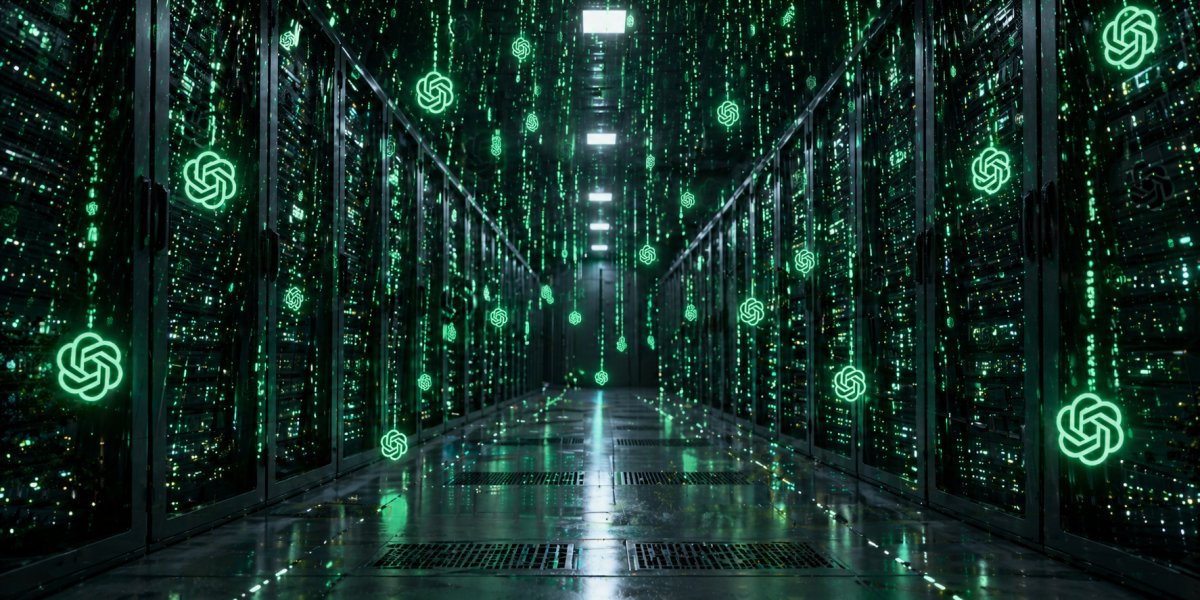
The weakness came after a report in The Wall Street Journal said some leaders at OpenAI are concerned about whether it can support its massive spending on data centers after missing targets for new users and revenue. If the maker of ChatGPT pulls back on its investments, it could bolster criticism that the entire AI industry is in a bubble of over-the-top spending that may not produce the profits and productivity that would make it all worth it.

The drops came just a day before several of the biggest spenders on AI are scheduled to report their latest results for the start of 2026. They could offer more clues on whether all the investment in AI is producing the kind of returns that shareholders care about. Alphabet, Amazon, Meta Platforms and Microsoft are all reporting their latest quarterly results on Wednesday.

Also weighing on the stock market was another rise for oil prices on continued uncertainty about what will happen with the Iran war.

The price for a barrel of Brent crude oil to be delivered in June climbed 2.8% to settle at $111.26. Brent to be delivered in July, which is where more of the trading is happening in the oil market, rose 2.7% to $104.40.

After sitting around $70 in late February, Brent prices are moving closer to their peak of $119 reached when worries about the war have been at their heights.

The focus is the Strait of Hormuz, whose effective closure is keeping oil tankers stuck in the Persian Gulf instead of heading to customers worldwide. The Trump administration seemed unlikely Tuesday to accept Iran’s offer to reopen the Strait of Hormuz if the U.S. lifts its blockade on the country.

The proposal would postpone discussions on the Islamic Republic’s nuclear program, something that U.S. Secretary of State Marco Rubio appeared to rule out in a Fox News interview Monday.

Meanwhile, the average price for a gallon of gasoline in the United States reached $4.18 on Tuesday, the most since 2022, according to the auto club AAA.

Expensive fuel was one of the reasons JetBlue Airways reported a worse loss for the start of 2026 than analysts expected.

But its stock nevertheless rose 1.4% after CEO Joanna Geraghty said the airline saw demand from customers strengthening through the quarter. JetBlue also announced moves it’s making to rein in fuel costs, such as cutting some flying.

Another stock helping to limit Wall Street’s losses was Coca-Cola’s. It rallied 4.2% after reporting stronger profit and revenue for the latest quarter than analysts expected, thanks in part to strength from China, the United States and India.

In the bond market, Treasury yields held relatively steady after a report showed U.S. consumers are feeling slightly more confident in April, when economists expected to see a decline. The yield on the 10-year Treasury remained at 4.35%, where it was late Monday.

On Wednesday, the Federal Reserve is scheduled to announce its latest decision on short-term interest rates. The widespread expectation is that it will hold the federal funds rate steady and hold off on resuming its cuts. Lower interest rates would help the economy, but they also risk worsening inflation when oil is expensive and tariffs are threatening to push prices higher.

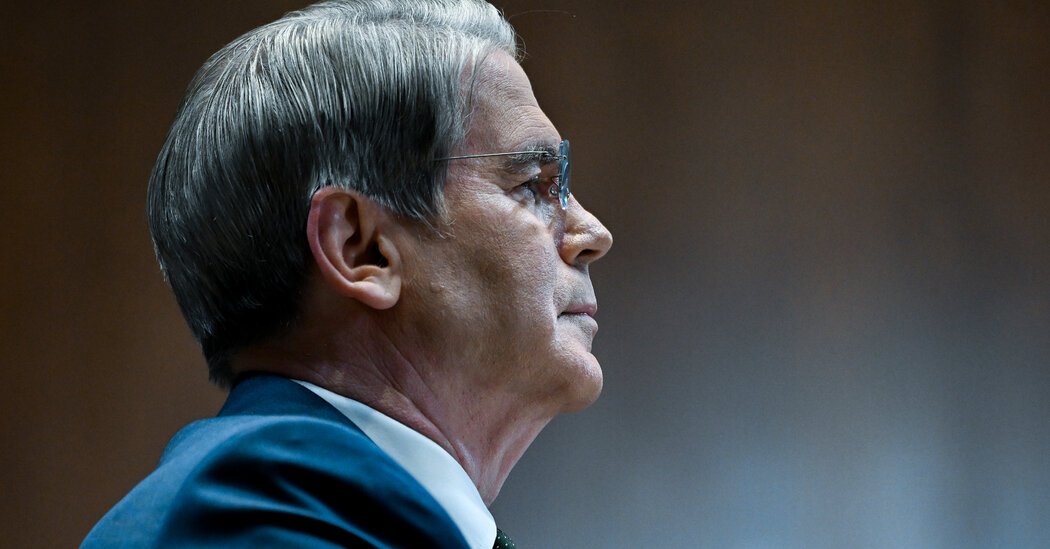
Also Wednesday, the Senate Banking Committee will vote on whether to confirm President Donald Trump’s nominee, Kevin Warsh, to succeed Fed Chair Jerome Powell. The committee is expected to approve Warsh and send his nomination to the full Senate.

In stock markets abroad, indexes fell across much of Europe and Asia.

Japan’s Nikkei 225 sank 1% for one of the world’s larger losses after the Bank of Japan opted in a split vote to keep its key interest rate unchanged.

“There are various risks to the outlook,” it said in a statement. “For the time being it is necessary to pay particular attention to the impact of the future course of the situation in the Middle East.”

___

AP Business Writers Yuri Kageyama and Matt Ott contributed to this report.

Stan Choe, The Associated Press


Source link

  • Related Posts

    Basic materials stocks weigh on S&P/TSX composite, U.S. stock markets also negative

    TORONTO — Canada’s main stock index finished lower, weighed down by losses in the basic materials sector, while U.S. stock markets also lost ground. The S&P/TSX composite index was down…

    Treasury Issues More Sanctions on Iranian Oil Exports

    The Trump administration on Tuesday ratcheted up economic pressure on Iran, warning financial institutions not to allow independent Chinese refineries to buy Iranian oil and cracking down on Iran’s “shadow”…

    Leave a Reply

    Your email address will not be published. Required fields are marked *

    You Missed

    James Comey indicted again, this time over seashell Instagram post

    James Comey indicted again, this time over seashell Instagram post

    Amazon is already offering new OpenAI products on AWS

    Amazon is already offering new OpenAI products on AWS

    Federal government to inject $755 million into Canadian sport

    Federal government to inject $755 million into Canadian sport

    Basic materials stocks weigh on S&P/TSX composite, U.S. stock markets also negative

    Basic materials stocks weigh on S&P/TSX composite, U.S. stock markets also negative

    Read the full text of Canada’s 2026 spring economic update

    Treasury Issues More Sanctions on Iranian Oil Exports

    Treasury Issues More Sanctions on Iranian Oil Exports