dailynewsnblog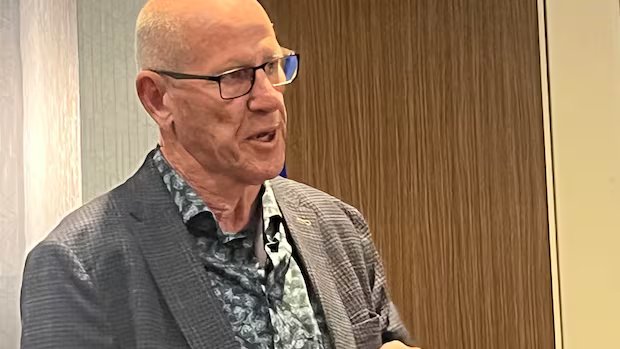

Listen to this article
Estimated 4 minutes
The audio version of this article is generated by AI-based technology. Mispronunciations can occur. We are working with our partners to continually review and improve the results.
An Alberta separatist leader is appealing a Court of King’s Bench judge’s decision to overturn the approval of his group’s petition, which seeks a referendum question on Alberta independence.
CBC News obtained the latest court filing Saturday morning from the counsel of Mitch Sylvestre, leader of the Stay Free Alberta petition and a pro-separatist group called the Alberta Prosperity Project.
The document, stamped by the Court of Appeal registrar Friday, says he is challenging Justice Shaina Leonard’s entire decision.
Leonard released multiple decisions Wednesday related to a court case about the separation petition. She found that the province’s chief electoral officer, Gordon McClure, erred in law to approve the second citizen-initiated petition related to separation, and failed to consider a previous court decision that found separation violates treaty rights.
She also found that the government, as a representative of the Crown, failed in its duty to consult with Indigenous peoples. Athabasca Chipewyan First Nation, Blood Tribe, Piikani Nation and Siksika First Nation were applicants in the case.
Sylvestre has said the Stay Free Alberta petition garnered more than 300,000 signatures. But Leonard’s decision, ultimately, left the petition’s fate in limbo.
The latest court filing lists more than a dozen arguments under the grounds of appeal, including that Leonard erroneously concluded that McClure’s interpretation of Alberta’s Citizen Initiative Act — which creates a petition process that could lead to a referendum question — was unreasonable and that his approval of the petition triggered the Crown’s duty to consult.
They also also argue that Leonard erred in law by finding the Crown had a duty to consult in the context of this case, the document shows.
The separatist group plans to apply to fast-track this appeal, the filing shows.
Premier weighs in
Earlier this week, Alberta Premier Danielle Smith also said the government plans to appeal Leonard’s decision, calling it “incorrect in law and anti-democratic.”
During her biweekly radio show Saturday, Smith said the provincial government will intervene in cases where it feels judges may be overstepping on an issue that has broader interest. In this case, she said, the government wants to preserve the Citizen Initiative Act.
“The citizen-initiative process is supposed to be permissive, because we want citizens to feel confident that they can get their fellow citizens together and put a question of public interest on the agenda,” Smith said.
She noted there are hundreds of thousands of Albertans who want to weigh in on both sides of the independence issue. Smith said she feels Leonard’s decision upends the entire legislation.
“How is a group of well-meaning citizens supposed to even meet that bar [of consulting with Indigenous peoples]? They can’t,” Smith said.
“It is a bar that we have to meet, as government, but it only triggers our requirement to do so if [the petition] is successful.”
CBC News has contacted Sylvestre’s lawyer Jeffrey Rath, Elections Alberta and each of the four Indigenous communities named in the court filing for comment. None immediately responded.
On Thursday, a spokesperson for Athabasca Chipewyan First Nation told CBC News that the band already submitted a package to the government’s cabinet about a potential independence referendum. Should there be an appeal, they said, it would be considered evidence at trial.
The submission, dated May 1, is almost 600 pages long and includes multiple affidavits that, among other things, detail the history of treaties, the right to self-determination and the location of hunting and fishing practices.
The submission also opens with a letter addressed to Smith from Chief Allan Adam, making several arguments as to why the government should not let an independence referendum go ahead.