dailynewsnblog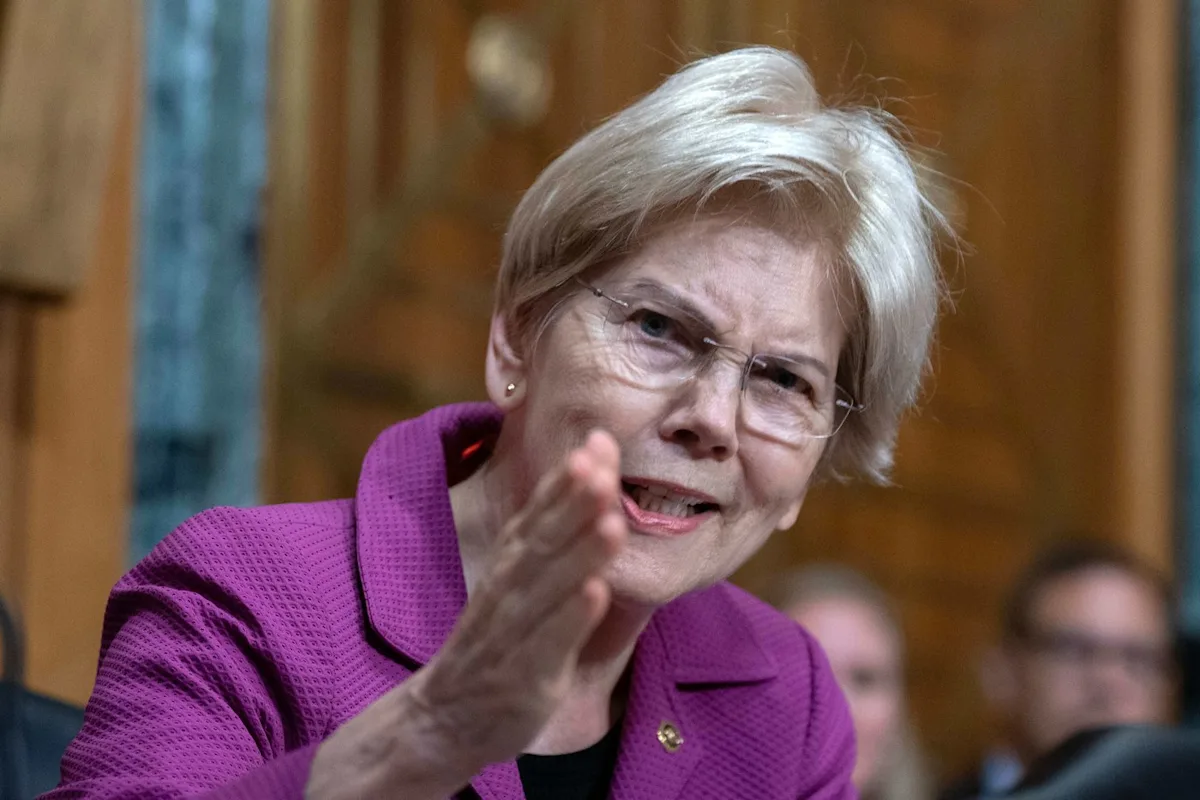
NEW YORK (AP) — Senate Republicans blocked an attempt by a group of Democrats to roll back several policy changes made under President Donald Trump to the nation’s consumer protection laws, ranging from how medical debts are collected to overdraft fees and consumer protections for members of the military.
The push by Senate Democrats on Wednesday was a maneuver to force vulnerable GOP senators to take politically difficult votes in an election year as Democrats try to hammer Republicans on the economy. The Senate rejected three Democratic resolutions, largely along party lines.
The votes were tied to rule or regulatory changes made by the Consumer Financial Protection Bureau since the Trump administration took over the bureau in February 2025. The bureau has rescinded 67 policies under its acting director, Russell Vought, who is also President Donald Trump’s budget director. Vought has publicly said that his goal is to effectively dismantle the agency.
“The Trump Administration is hell-bent on destroying the agency,” said Sen. Elizabeth Warren of Massachusetts, the top Democrat on the Senate Banking Committee and the top defender of the bureau in Congress.
Warren added that the changes at the bureau signal that “the Trump Administration has abandoned consumers and is making life more expensive for them.”
The Democrats offered more than a dozen other resolutions by voice vote to roll back the administration’s CFPB policies, but Republicans blocked each one.
The votes could be used as ammunition against vulnerable GOP senators up for reelection this year, including Susan Collins of Maine, Dan Sullivan of Alaska and John Cornyn of Texas. Collins voted with Democrats on two of the three resolutions.
One vote Democrats sought was for the CFPB’s policy change on overdraft fees. The Biden Administration issued guidance in 2024 requiring banks to obtain their customers’ affirmative consent before charging an overdraft fee. That guidance was repealed under President Trump, which Democrats argue will lead to more Americans paying overdraft fees. The Senate voted down the resolution 47-53.
“When they got rid of this rule, it showed that (President Trump) didn’t care about Americans living paycheck to paycheck,” said Sen. Chris Van Hollen of Maryland.
Congress created the CFPB in the aftermath of the 2008 financial crisis and subsequent recession, designed to operate as an independent financial regulator with broad enforcement authority over consumer financial products and services. The bureau estimated in 2024 that it had returned $17.5 billion to American consumers and had imposed $4 billion in fines and penalties against financial companies.