dailynewsnblog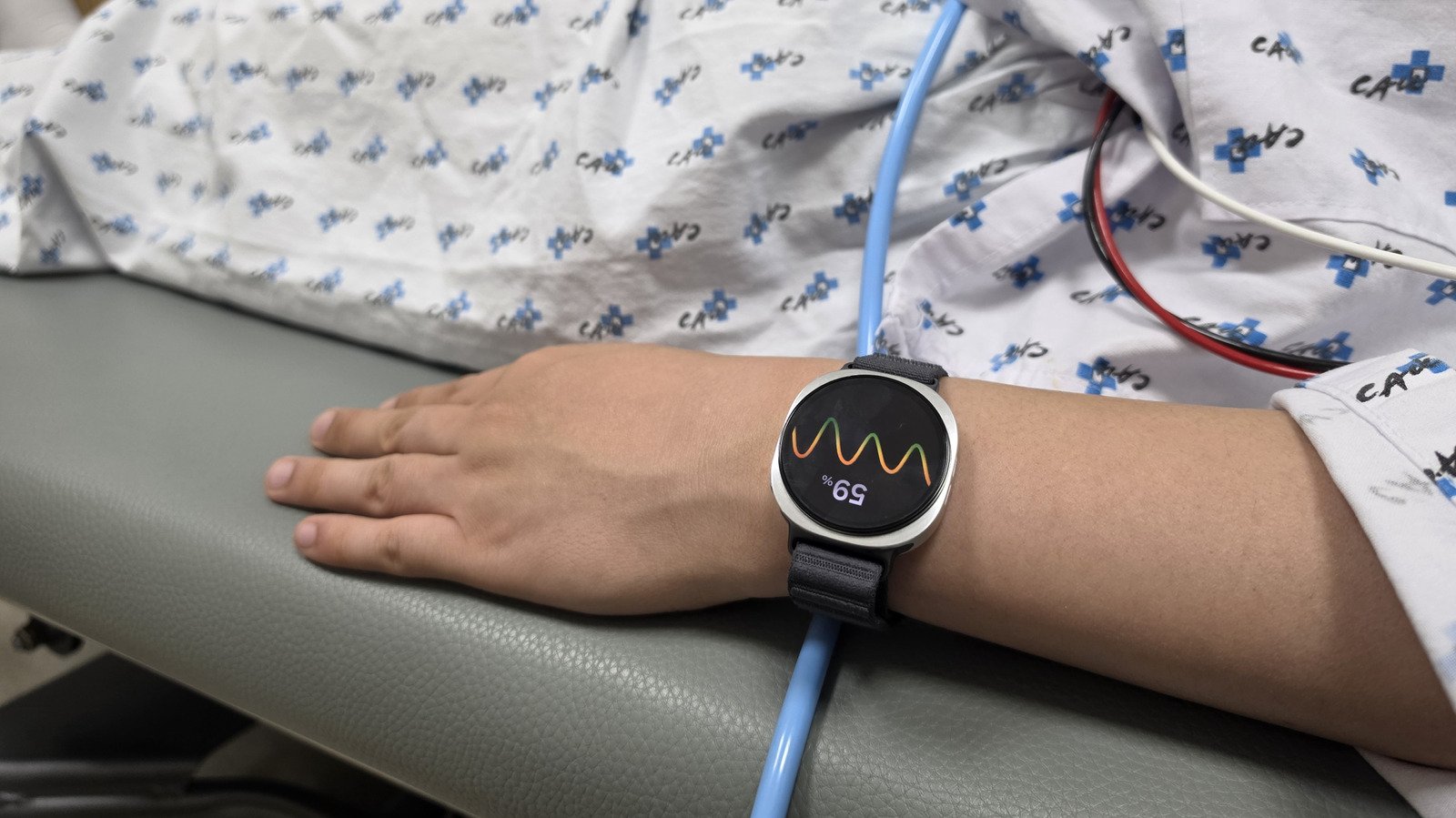
The most common type of fainting called vasovagal syncope (VVS) is normally not dangerous in itself, but it can cause sudden falls that results in severe secondary injuries like concussions. Now, Samsung says that it has figured out how to predict VVS “with high accuracy” via biosignals from its Galaxy Watch 6. Such early warnings could allow users to get into a safe position or call for help.
Samsung worked with Chung-Ang University Gwangmyeong Hospital in Korea to develop the new monitoring technique, as detailed in a European Heart Journal paper. Vasovagal syncope fainting happens when someone’s heart rate and blood pressure drop abruptly after your “body overreacts to certain triggers… [like] the sight of blood or extreme emotional distress,” according The Mayo Clinic. Up to 40 percent of people may experience these episodes, said one of the paper’s researchers, Professor Jun Hwan Cho.
The joint research team evaluated 132 patients with suspected VVS symptoms during induced fainting tests. Using a Galaxy Watch’s photoplethysmography (PPG) sensor (which measures heart rate and heart rhythm), the team analyzed the patients’ heart rate variability data with an AI algorithm. It successfully predicted impending fainting episodes up to five minutes in advance with 84.6 percent accuracy “at a clinically meaningful sensitivity of 90 percent and a specificity of 64 percent,” Samsung wrote.
“This study is an example of how wearable technology can help shift healthcare from being designed for post-care to a model of preventive care,” said Samsung’s head of Health R&D Group Jongmin Choi. Samsung called the study a “world-first breakthrough in fainting prediction.”
Samsung didn’t say when or if such a feature would become available to Galaxy Watch users. The company would no doubt want to be cautious about such implementing VVS detection, given the potential for legal or regulatory issues. However, Samsung said that it intends to “accelerate the implementation of personalized, preventative health solutions.” The company’s latest Galaxy Watch 8 offers health alert features like sleep apnea, blood oxygen, heart irregularity and antioxidant detection.