dailynewsnblog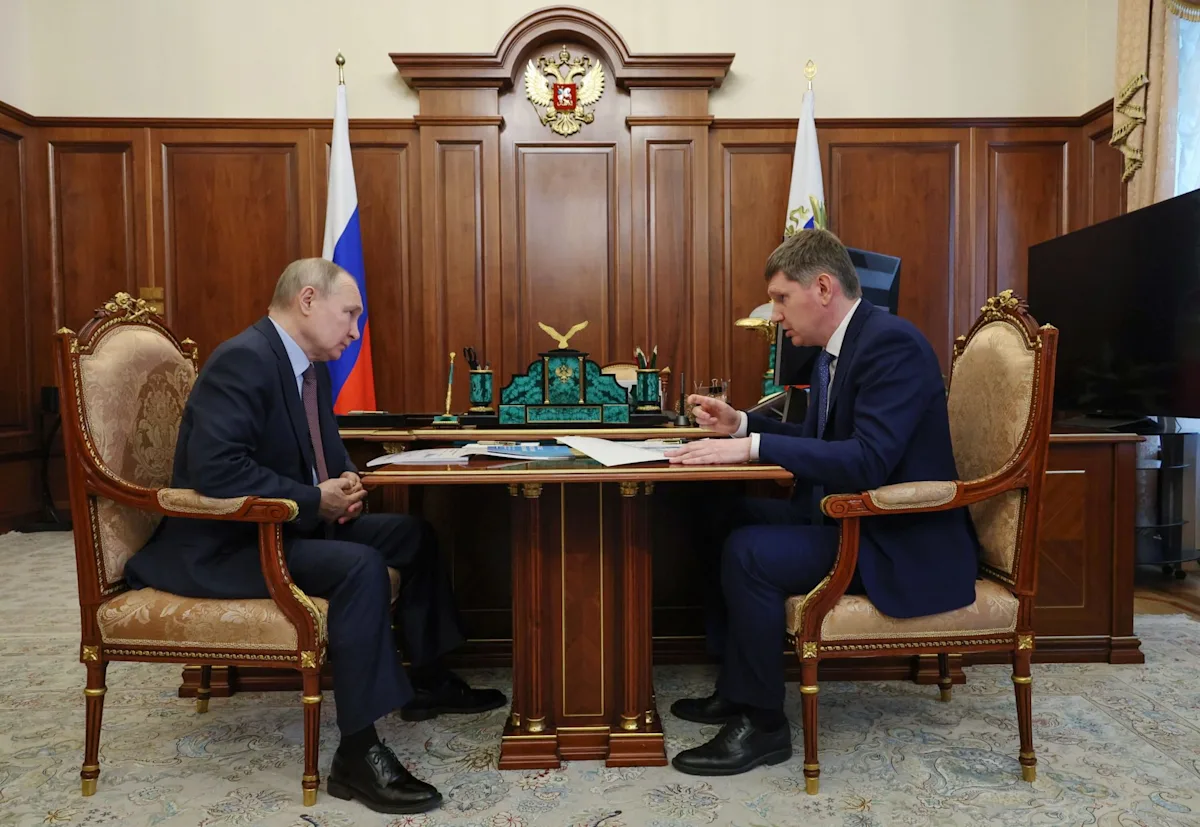
The Kremlin offered more indications that it’s acknowledging Russia’s economy is in trouble after years of relying on military spending for growth.
Last week, Economy Development Minister Maxim Reshetnikov told a business conference that the economy “is not easy” and called for reallocating the workforce, which has been tight as Russia’s war on Ukraine and the boom in defense production have created labor shortages.
“Of course, it’s not easy to find staff, and salaries are rising,” he said. “But nonetheless, we coped with all of that somehow because somewhere in the economy there were reserves. Our current records show that these reserves have largely been used up; this truly is the situation and the macroeconomic situation is substantially more difficult.”
Reshetnikov added that ruble has appreciated more than he would prefer and that interest rates are still too despite a series of rate cuts from the central bank.
Businesses will have to figure out how to mange costs and spending while also boosting productivity, he said, citing advances in artificial intelligence.
On Friday, the central bank slashed the benchmark interest rate again, marking the fifth straight half-point reduction, to bring it down to 14.5%.
“A significant risk from external conditions is the situation in the Middle East,” Governor Elvira Nabiullina said at a briefing. “If the conflict drags on, the negative effects on the Russian economy will grow.”
The latest cut came a week after Russian President Vladimir Putin made his concerns about the economy public as he vented frustration at ministers and demanded they offer solutions.
During a televised meeting on the economy on April 15, he revealed that GDP shrank by a combined 1.8% in January and February, adding that manufacturing, industrial production, and construction were negative.
“I expect to hear detailed reports today on the current economic situation and why the trajectory of macroeconomic indicators is currently below expectations,” Putin said. “Moreover, below the expectations of not only experts and analysts, but also the forecasts of the government itself and the central bank of Russia.”
The scolding follows a series of warnings over the past year that Russian officials and Kremlin allies in the private sector have raised.
They’ve sounded the alarm that a financial crisis could hit by the summer amid spiraling inflation and that consumers were having trouble servicing their loans, raising concerns of a crash in the banking sector.