dailynewsnblog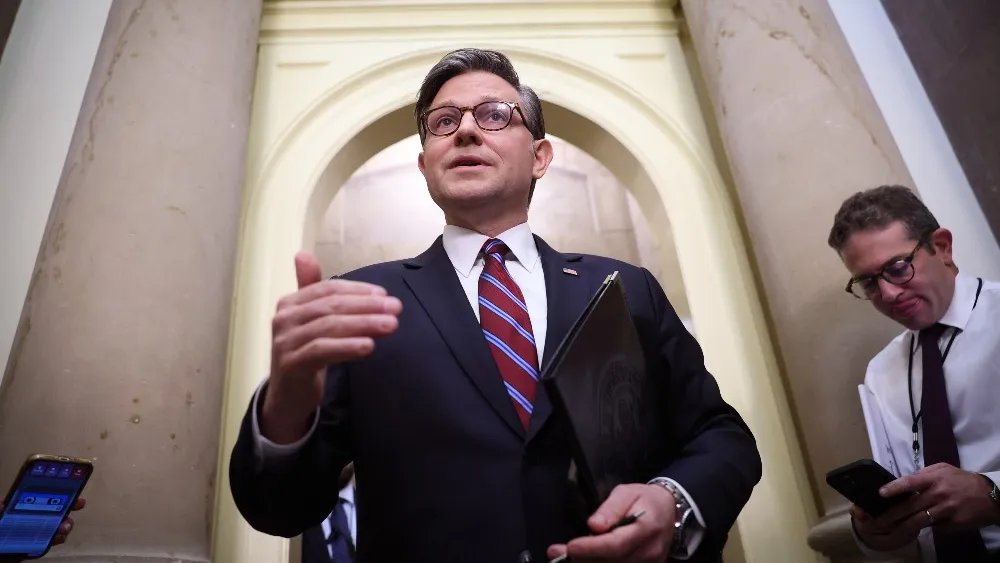
Lawmakers in the United States House of Representatives sparred over a bill that would saddle some of the country’s biggest trading partners with tariffs of up to 100 percent on Wednesday, ultimately opting to pass the legislation in a 262-159 vote and send it to the desk of President Donald Trump for final signoff.
The Sanctioning Russia Act, which garnered bipartisan support in the days following the death of its biggest champion, South Carolina Senator Lindsey Graham, in July, targets foreign actors and economies like China and India for to their purchases of Russian oil.
Many believe that those purchases are funding the continuation of Russia’s assault on Ukraine, and that choking off exports is the only way to defund the war effort. But some lawmakers said Wednesday that the legislation hands over an undue amount of tariff authority to a president who is already wielding duties like an economic cudgel.
The Sanctioning Russia Act authorizes the imposition of duties of up to 100 percent on exports from the top five purchasers of oil and energy products from Russia, and it also sanctions Russian officials, banks and the tankers that are responsible for the transportation of energy products. Countries that import under 15 percent of Russia’s energy exports, and those that have made efforts to curb their purchases from the country, may be spared from the tariffs.
Ukrainian President Volodymyr Zelenskyy traveled to the U.S. to attend Graham’s funeral in July, making a final push for the late lawmaker’s Senate colleagues to pass the bill he co-authored. While support for Ukraine is widespread and spans party lines, some declined to support the bill as it would empower Trump to impose even more duties.
The key tenet of his economic and foreign policy strategy, tariffs have proven increasingly unpopular with consumers and voters.
“This president has always said he loves tariffs,” said Congressman Gregory Meeks (D-N.Y.), according to the Associated Press. “And we know the history of what he’s done with reference to tariffs to our European allies, and our allies everywhere.”
Committed to stopping Russia’s “brutality” against its neighbor, Meeks said in a statement later in the day that he would have supported a version of the bill that placed sanctions on Russia rather than U.S. trading partners and allies.
“It is regrettable that House Republicans and the Senate refused to engage and improve the bill, place more guardrails on its tariff authorities, or mandate sanctions in the bill to be implemented,” he said. “What passed the House today will give President Trump sweeping new tariff authorities he can abuse, as he has done before, to bring yet more economic harm on the American people.”
“Yes, they will be able to say ‘we stood with Ukraine’ in the immediate aftermath,” said Congressman Don Beyer (D-Va.) of his House colleagues who voted for the bill. “But when Donald Trump hits our allies with new tariffs and waives sanctions on Russia, the propaganda victory for Putin will be lasting, and the damage will be embedded in U.S. law.”
After the vote, Speaker of the House Mike Johnson (R-La.) applauded the bill’s passage. “For too long, Putin has bankrolled this devastating war with money and resources from countries willing to look the other way, and today, that ends,” he said.
Congressman Michael McCaul (R-Tex.) said the measures in the bill would influence the way U.S. trading partners behave, namely by forcing them to source energy elsewhere or face harsh economic consequences. “These countries have a choice to make about whether they will continue to sustain Putin’s aggression,” he said.
The legislation’s passage comes at an interesting time given that Chinese President Xi Jinping will be visiting Washington to meet with Trump next week.
Strained trade relations between the superpowers is expected to be a top-tier topic of discussion next Thursday. Treasury Secretary Scott Bessent said he plans to meet with his Chinese counterpart, Vice Premier He Lifeng, over the weekend, as a primer to the long-awaited summit between the world leaders.