dailynewsnblog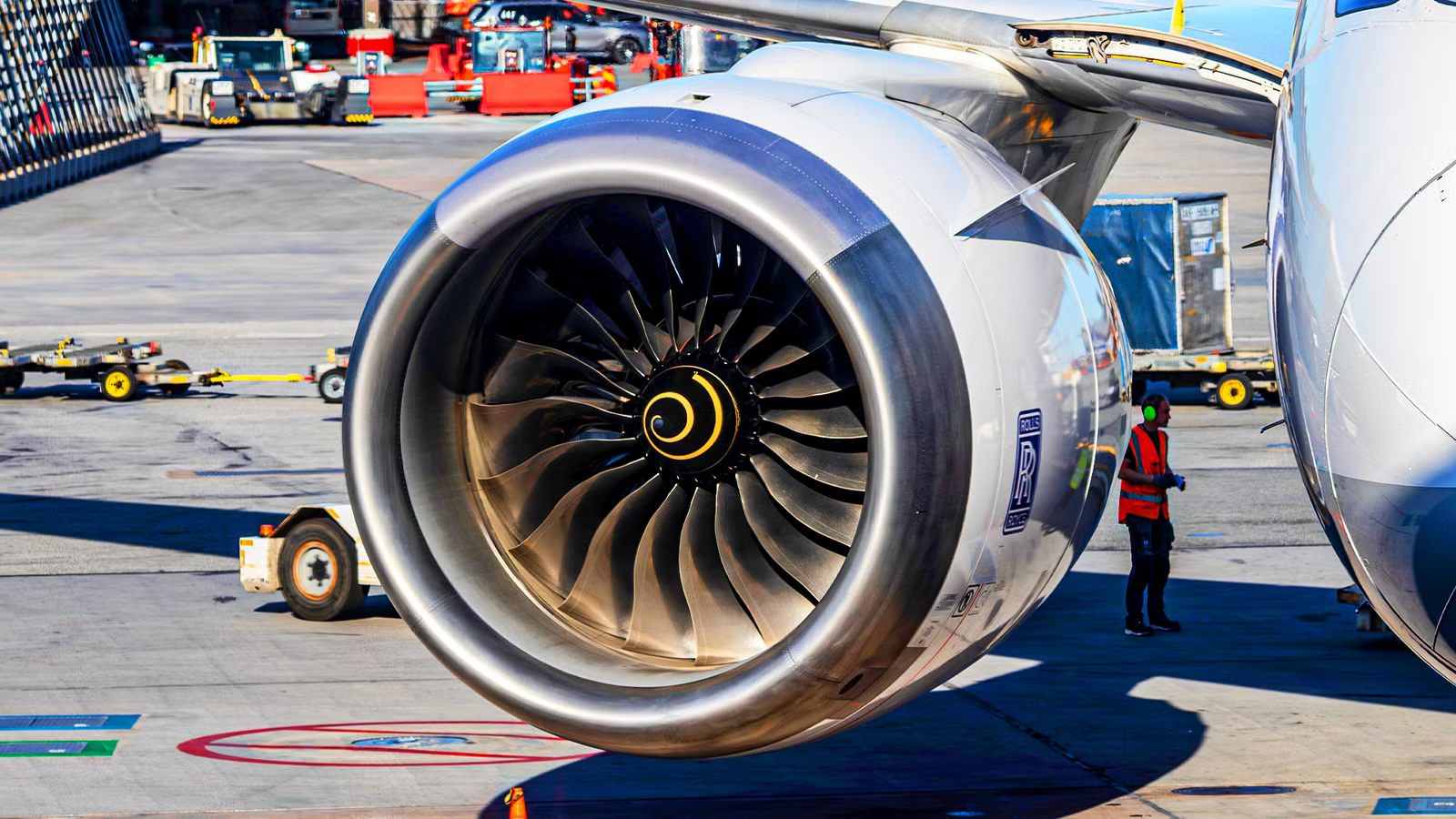
When designing an aircraft that promises to be as impactful as the 787 Dreamliner,  Boeing required the most state-of-the-art engines that suppliers could deliver and then some. General Electric offered the GEnx-1B, but the Rolls-Royce Trent 1000 became closely associated with the program. The Trent 1000 powered the first 787, and it was also the first model used by launch operator All Nippon Airways. Competition was fierce between the two, both of which appeared as competent as the other.
But while the Trent 1000 is an excellent engine in flight, airlines experienced repeated durability issues with the powerplant. This severe lack of durability led to expensive, premature overhauls, and 787s were grounded as the list of engines needing work grew. As a result, the Trent 1000 has lost significant market share to the GEnx, which at one point was seen as the ‘other’ engine choice for the Dreamliner. However, Rolls-Royce has been working hard to improve the Trent 1000, and it seems Rolls-Royce might be back.
The Current State Of The 787 Engine Market

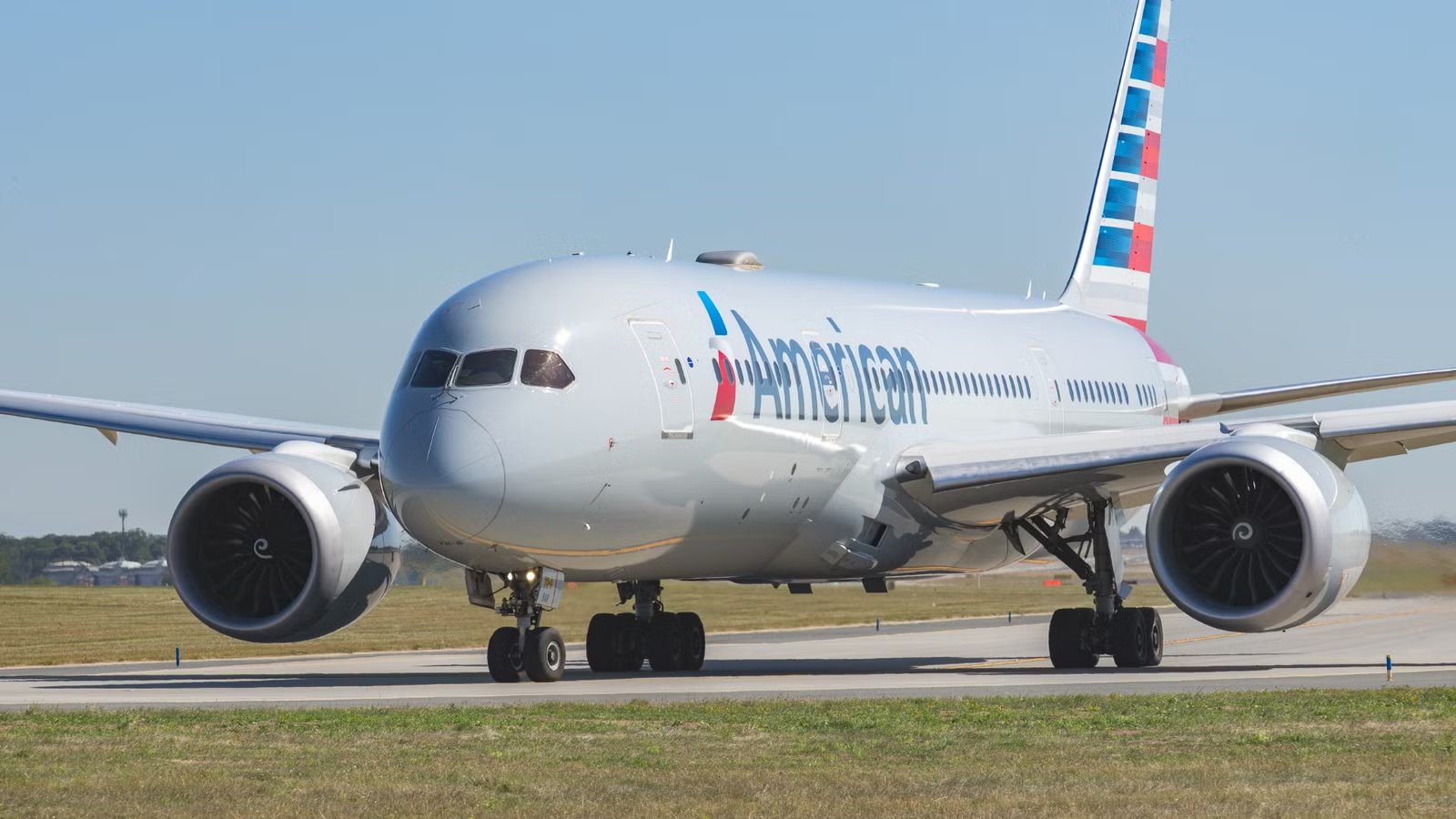
Leading up to the 787’s debut in 2011, the Trent 1000 held close to a 50% market share against the GEnx. Both engines were winning major orders worldwide, and the Trent 1000 got more press than its competitors as the engine most associated with the program. All Nippon Airways (ANA) ordered 83 Trent-powered 787s, while British Airways selected the Trent 1000 to power 42 Dreamliners.  American Airlines also went with Rolls-Royce. Continental Airlines and
  United Airlines chose General Electric, while Northwest Airlines selected the Trent 1000.
The Trent 1000’s triple-spool design gives it a fuel burn advantage during climb and descent over the GEnx, while the latter is slightly more efficient on longer flights. It’s generally accepted that 3,000 nautical miles (5,550 km) is the rough cutoff point where the GEnx starts to gain a slight advantage, although this depends on a wide variety of factors. Both engine models promised similar maintenance costs, so choosing between them largely came down to the overall sales packages offered by Rolls-Royce and General Electric.
However, airlines began discovering premature wear and tear in the 2010s. The problems began escalating, and Rolls-Royce found itself unable to provide enough overhaul capacity for the number of engines needing rework. The manufacturer developed the Trent 1000 TEN to address the problems, but it, too, experienced durability problems. Today, the GEnx powers more than two-thirds of the worldwide 787 fleet, and the Trent 1000 has won strikingly few orders since COVID.
The Rolls-Royce Trent 1000 XE

The latest version of the family is the Trent 1000 XE.  Lufthansa was the first airline to start flying 787s with the XE in 2025, and it is now the production standard. In addition to delivering the XE on new-build aircraft, Rolls-Royce is also retrofitting the existing fleet of Trent 1000 TEN-powered 787s to the new standard, and about 50% of the worldwide fleet has already received the XE. Rolls-Royce aims to fully refurbish the worldwide Trent-powered 787 fleet in 2027.
Durability is the XE’s main focus. It incorporates a new high-pressure turbine blade, a redesigned cooling-hole pattern, and reduced tip weight to boost cooling airflow by 40% and cut core metal temperatures by 45 degrees Celsius (113 degrees Fahrenheit). Altogether, this means that the XE can, theoretically, go three times longer in between overhauls compared to the prior Trent 1000 TEN. This makes it competitive with the GEnx in terms of maintenance costs and durability.
Rolls-Royce Trent 1000 Improvements | Introduction |
|---|---|
Trent 1000 Package A | 2011 |
Trent 1000 Package B | 2011 |
Trent 1000 Package C | 2014 |
Trent 1000 TEN | 2017 |
Trent 1000 XE | 2025 |
In addition to the upgrades, Rolls-Royce has invested heavily in increasing MRO capacity for the Trent 1000. This was a major reason the engine’s issues were so crippling to operators, because Rolls-Royce lacked the capacity to repair all the engines needing rework. This is a similar situation to what we’re seeing today with the Pratt & Whitney PW1000G, where Airbus A220s and A320neos are sitting grounded, and new examples are being scrapped because there aren’t enough parts or engines to go around.
Rolls-Royce & Future Trent 1000 Sales

Rolls-Royce exited the narrowbody market in 2011, when it pulled out of the International Aero Engines (IAE) joint venture that produced the V2500. As such, the Trent 1000 was meant to be Rolls-Royce’s volume seller, given that its commercial aircraft portfolio otherwise consisted of the Trent 900 on the Airbus A380 and the Trent 700 on the Airbus A330. The Trent 1000’s issues were not only problematic for airlines, but also hugely expensive for Rolls-Royce, driven by overhauls, redesigns, and customer compensation.
Rolls-Royce only has about a 3% share of the current 787 backlog, which is not an enviable position. The manufacturer has snagged orders from LATAM for three aircraft and an MoU with Somon Air for two 787s. These are wins for Rolls-Royce given its overall standing, but it needs to start winning major orders again. Rolls-Royce is bullish on its guidance for the Trent 1000 and has even said it’s working with a new, mature customer on a new deal, though no official announcement has been made yet.
The XE also offers fuel-burn savings over the Trent 1000 TEN, although durability is the major focus. While Rolls-Royce has generally not been aggressive on pricing for its other products, its tiny Trent 1000 backlog means you’re likely to see it fight harder for orders. On the flip side, the Trent 7000 on the A330neo is essentially the same engine but with bleed air, so while Rolls-Royce is in a poor position on the 787, the program is performing better than you’d expect because of the much larger backlog on the A330neo.
The Issues With The Trent 1000

When Boeing first developed the 787, its requests to General Electric and Rolls-Royce were very different from what was ultimately required. Relatively late in the plane’s development, Boeing increased the thrust requirements, which meant both the GEnx and Trent 1000 suddenly became much more strained. The GEnx handled the thrust increase much better than the Trent 1000, although even General Electric faced early challenges before refining the GEnx into the dependable engine we knowtoday.
In 2016, however, ANA discovered corrosion-related fatigue cracks in the intermediate-pressure turbine blades. It wouldn’t be the last airline to find these cracks either, and the engines had to be pulled from service temporarily for repairs. As the issue grew, inspection intervals for the Trent 1000 dropped from every 200 flights to 80, while the plane’s ETOPS rating was downgraded from 330 minutes to 140 minutes. Airlines worldwide had to ground 787s, and they couldn’t operate them on many transoceanic flights temporarily.
The Trent 1000 TEN was meant to solve the issues, but shortly after entering service, the engine experienced premature wear in its high-pressure turbine blades. In addition, internal vibrations could cause cracks in the intermediate-pressure compressor, and corrosion-related cracks were also found in the intermediate turbine blades. While Rolls-Royce has addressed the issues with the TEN, the result of this multi-year debacle was highly damaging to Rolls-Royce’s brand.
Rolls-Royce’s Competitive Position

As previously mentioned, Rolls-Royce actually has a much stronger backlog on the program as a whole because the Trent 7000 and Trent 1000 are nearly identical. Notably, the Trent 7000 has not experienced anywhere near the same level of widespread issues as the 1000, and the A330neo is a slow but steady seller. While Rolls-Royce is undoubtedly looking to improve its position on the 787, it has not been pursuing market share elsewhere, instead aiming to maximize profits on each sale.
Apart from the Trent 1000/7000, Rolls-Royce’s only other commercial program is the Trent XWB. While the Trent 1000 is currently in a weak position and the 7000 depends on the A330neo’s slow but steady sales, the XWB is as successful as ever. The Airbus A350 has been tremendously popular, and neither Airbus nor Rolls-Royce can build enough aircraft/engines fast enough to meet demand. The A350 is essentially sold out for years, so Rolls-Royce has reportedly taken a firm position on price.
Rolls-Royce Commercial Engines | Major Derivatives | Aircraft |
|---|---|---|
Trent 1000 | Trent 1000 | Boeing 787 Dreamliner |
Trent 7000 | Airbus A330neo | |
Trent XWB | Trent XWB-84 | Airbus A350-900 |
Trent XWB-97 | Airbus A350-1000, A350F |
While this has drawn criticism from airlines, the XWB is arguably one of the most remarkable engines ever built, and Rolls-Royce has continued to innovate with it. The Trent XWB-84 received new upgrades that not only cut fuel burn but also significantly exceeded expectations, while the XWB-97 is receiving durability upgrades for harsh climates. Meanwhile, the Trent 7000 is receiving upgrades from the 1000 XE to improve durability, while the XE appears to be significantly improved over the Trent 1000 TEN.