dailynewsnblog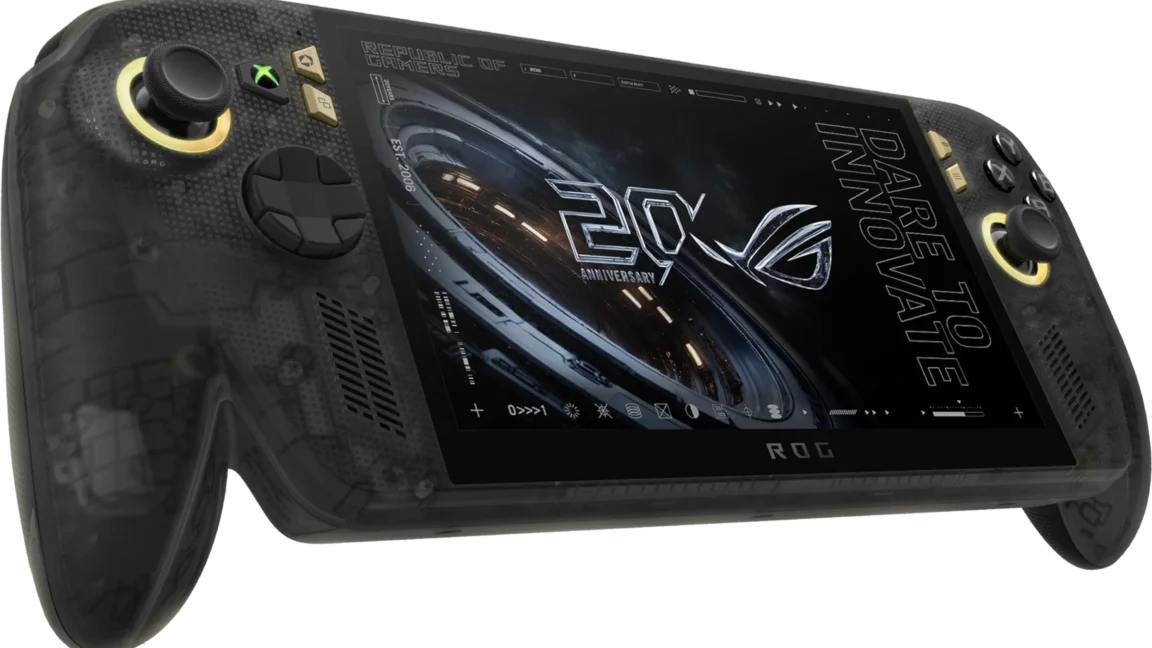
Hope you like augmented reality
Even though the internal specs on the X20 are unchanged from last year’s ROG Xbox Ally X, the surface improvements sound like a welcome refresh to Asus’ promising line of handheld gaming PCs. Unfortunately, Asus seems to be positioning the X20 as a limited-edition bundled curiosity rather than a new standard-bearer for handheld gaming.
That’s because today’s announcement of the ROG Xbox Ally X was really an announcement of an “All-New ROG Xbox Ally X20 bundle,” as Asus puts it (emphasis added). The hardware is currently positioned only as part of a special “20th anniversary” bundle that also includes a pair of Xreal R1 AR glasses. Tethering those glasses to the X20 hardware via USB gives users what Asus promises is a 171-inch virtual screen that can either move with them or stay fixed in virtual space as they move their head.
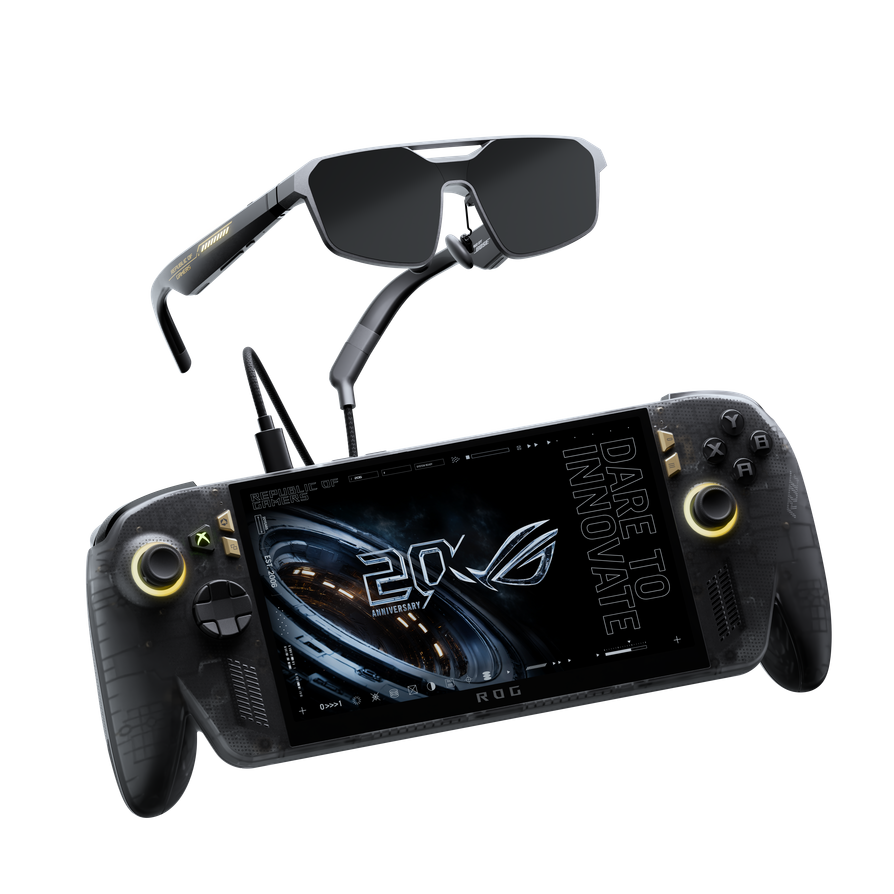
Credit:
Asus
This AR glasses bundle was the only package Asus announced today.
Credit:
Asus
While those kinds of “virtual display” glasses have their fans, they seem much better suited to being a premium optional accessory than a standard inclusion with every device. Asus already sells Xreal R1 glasses for $850, and the ROG Xbox Ally X was retailing for $1,000 last year, before RAM and storage prices sent prices for game consoles and other computing devices soaring.
While Asus isn’t discussing pricing yet, a bundle price approaching or exceeding $2,000 doesn’t seem out of the question when the X20 launches later this year. That price—plus the “Asus’ 20th anniversary” branding for the hardware—would suggest a device with a very limited market and thus a limited production run.
That would be a shame—the upgrades available in the X20 could find a decent audience if they weren’t literally tethered to a pair of expensive AR glasses. Hopefully, Asus will offer a standalone version of the ROG Xbox Ally X20 hardware that will remain available long after the 20th anniversary bundling ends.