dailynewsnblog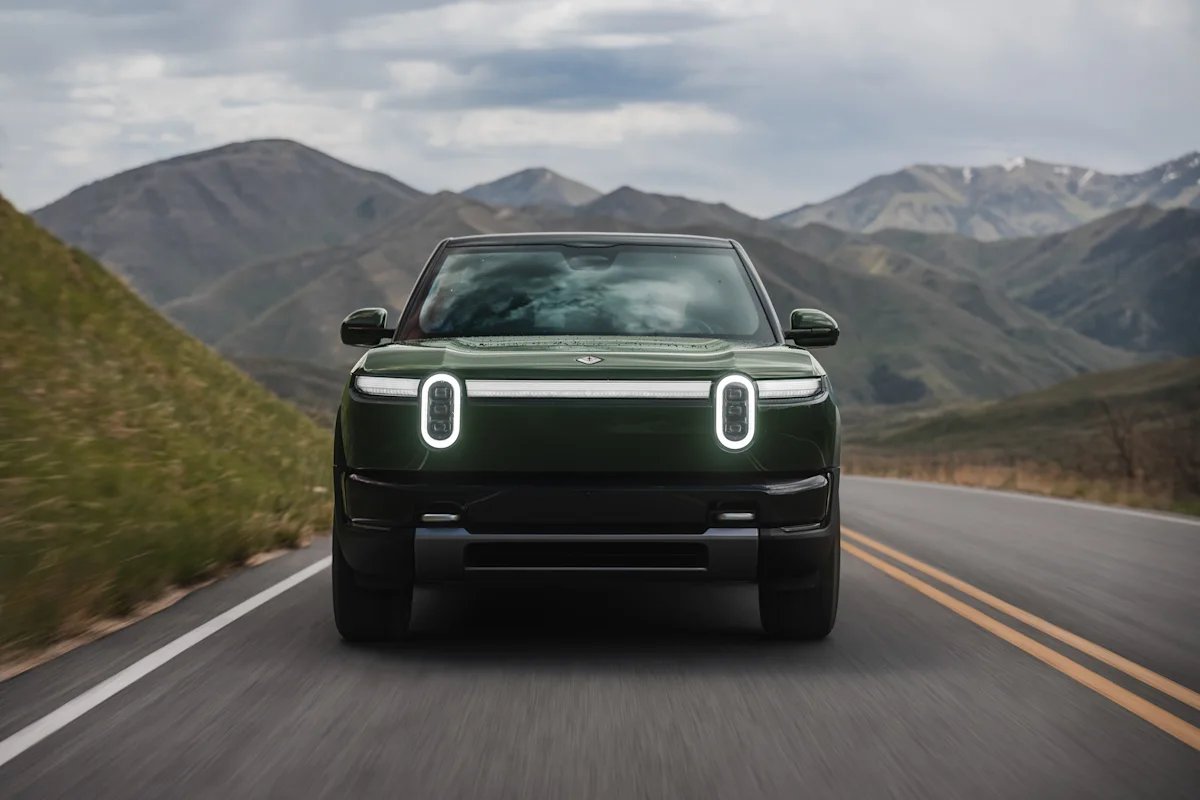
The Rivian R2 is, frankly, the most important vehicle Rivian (RIVN) has ever built. It’s the car that’s supposed to push Rivian over the edge on cost, scale, and, importantly, profits.
Rivian’s first-gen R1S and R1T EVs earned acclaim but bled money at their high price points. The R2 is Rivian’s answer: a midsize electric SUV built on a platform using a cheaper bill of materials, aimed squarely at the Tesla (TSLA) Model Y, and priced to move volume — $61,000 in test-car trim and as low as $45,000 for the base model coming next year.
The R2 is make-or-break for California-based Rivian. But after a few days behind the wheel of the Performance model, the verdict is clear: The company nailed it.
The R2 look

The R2’s styling is familiar, in the best way. The cube-like, squared-off design that people love in the R1 carries over, but the R2 just looks better. Maybe it’s the smaller footprint, shorter rear hatch, and tighter proportions that give it a cleaner, more coherent stance than the larger R1S.
And the interior makes you feel right at home. Anyone who’s sat in an R1 will recognize the layout — crisp, high-resolution screens for both infotainment and the driver cluster. But the fit and finish definitely punches above its weight. This is a $60,000-ish car, not Mercedes or BMW money, yet it feels premium.
Special touches include soft-touch materials, real stitching, an interesting denim-like fabric across the dash, nice switchgear, and a key fob that doubles as a durable carabiner. Storage is excellent, down to a pull-out tray in the center console sized for a tissue box.
The back seat is a highlight. Without the R1’s third row eating into legroom, the R2’s second row gets more foot space and stretch-out room.
The cargo hatch is spacious, the panoramic glass roof is expansive, and the whole cabin is remarkably quiet. Driving around New York City — bumps, ruts, sirens, chaos — the R2 remains serene inside.
R2 on the road
The R2 in Performance trim means dual motors making 656 horsepower and 609 lb-ft of torque, good for a 0-to-60 time Rivian measured at blistering 3.6 seconds — that’s Porsche 911 territory. The power is immediate, smooth, and effortless.
But the suspension is the star. This isn’t air suspension — it’s semiactive adaptive damping, and you can dial it through the drive modes. I left it in the softest comfort setting and never looked back.
The car rides beautifully — planted, well-damped, no excessive body roll, no wafting or wallow. It turns in cleanly and stays composed. Over broken pavement, it absorbs the hit and moves on rather than bouncing you down the road.