dailynewsnblog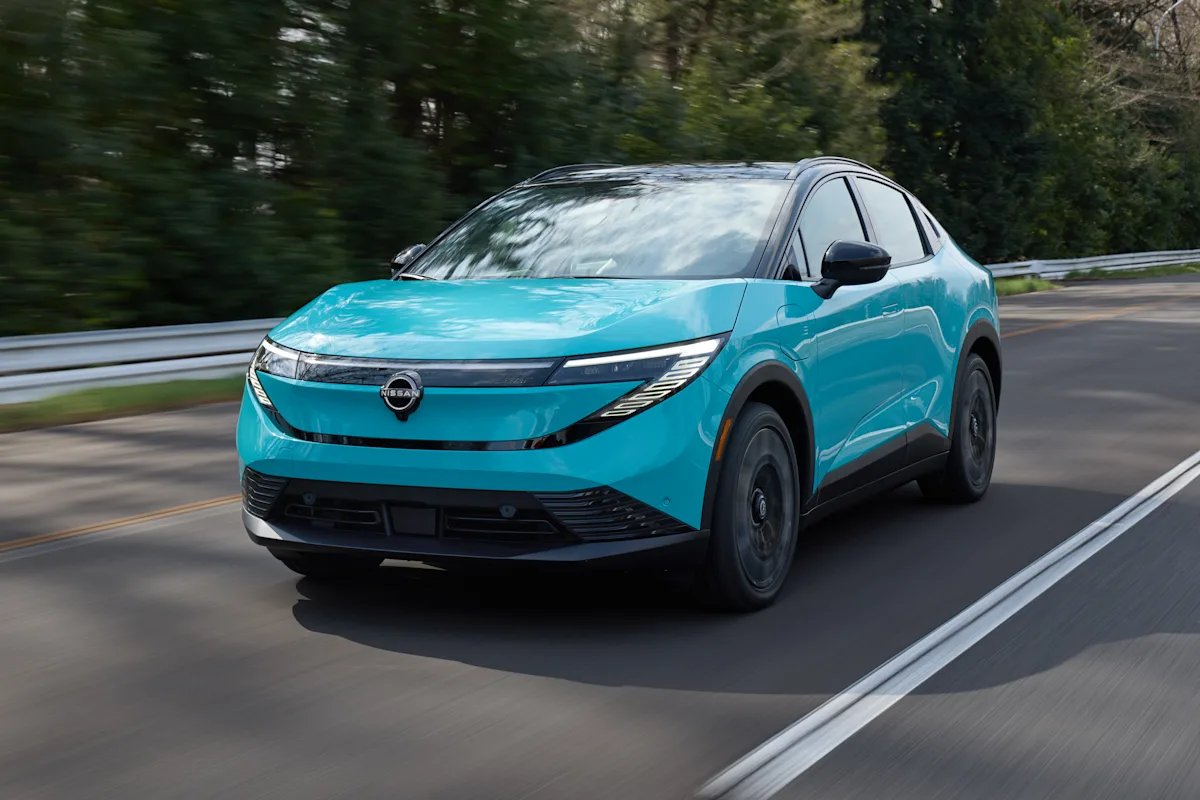
There’s a swoopy new EV hitting American roads, with a two-tone color scheme and an almost floating greenhouse. Is that the new Ferrari Luce EV?
I kid, I kid. What we have here is the 2026 Nissan Leaf, now sporting an all-new design inside and out, a welcome change. It’s a competent EV that finally received a grand makeover years after the original made it look like a pioneer — and it arrives just in time as high gas prices and an affordability crisis hammer consumers.
It is not a premium product, nor is it trying to be. The new Leaf is a sedan-crossover hybrid with a hatchback, still a bit bulbous in spots, but a clear step up from the aging outgoing car. It is handsome in a practical way, but nobody is stopping you in a parking lot to ask about it. (Is that a problem with the Ferrari Luce? Never mind…)
The interior is where Nissan spent its goodwill. Materials punch above their weight — the display has decent resolution, Apple CarPlay works without drama, and the Platinum Plus trim adds a wireless charging pad in the center console.
Its seats are comfortable, though the hip point sits higher than I’d like, a deliberate choice, given that this car is selling utility, not sport, and has a battery sitting right underneath the passengers. The EV platform frees up real storage, including a generous tray under the center stack and a separate mid tray for cupholders.
The powertrain is conservative on paper but pleasant on the road. A single front motor makes 214 horsepower, and in this trim is rated for around 260 miles of range with its 75-kWh battery, though the Leaf’s base trim gets you 303 miles, quite impressive. That is a real jump from earlier Leafs, which struggled to clear 150 miles.

DC fast charging speeds are merely adequate. Nissan cut corners here to hold the price line. Vehicle-to-load is included, meaning you can use the battery to power external devices and appliances, which is a genuinely useful trick at a tailgate, picnic, or job site.
Around town, it is zippy without being theatrical. Nissan tuned the throttle so the launch is gradual and confident, not the neck-snapping thrust some EVs serve up. You still get immediacy when you need to pass at a stoplight, though.
The suspension is the surprise. It is firmer than the segment usually delivers, but not punishing. EVs weigh a lot, and Nissan’s engineers seem to have built around that mass, with a firm ride that’s cushioned enough when it needs to be, a tough balance to get right.

The car feels planted, but with enough suspension travel and rebound to absorb a rut without going floaty. Steering is light on feedback but accurate, and the front-drive chassis never catches you out.