dailynewsnblog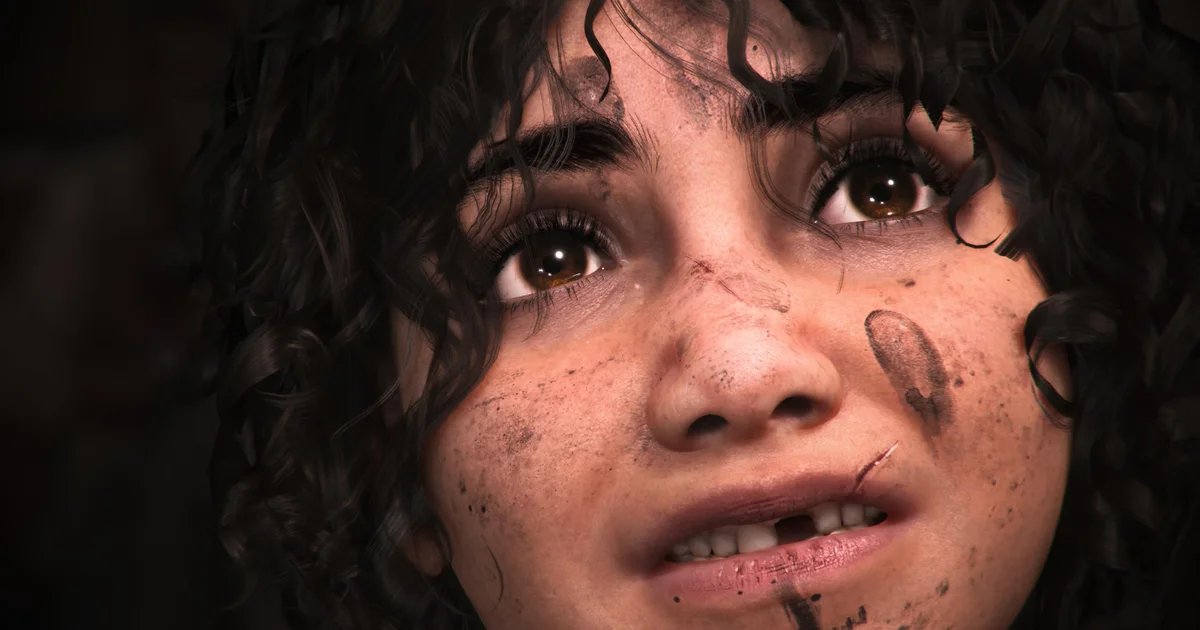
Asobo’s prequel adds toe-to-toe combat and hands-off puzzling to the Plague Tale recipe to winning effect – but the trauma porn of its second half takes considerable shine off an otherwise smartly paced action-adventure.
Putting ‘legacy’ in the title of your game naturally encourages considerations about what that legacy might be – and that, in turn, invites thoughts about its identity. (And perhaps ‘supremacy’ and ‘ultimatum’ if you’re a big Jason Bourne fan.) It might sound silly to say of a game with some of the most impressive faces and places you’ll see this – or any – year. But to me, A Plague Tale is spiritually double-A, and I absolutely mean that as a compliment. I find myself instinctively rooting for this series: there is still something of a scrappy outsider quality to it, even as the credits list appears to lengthen with each release. Maybe it’s partly because Asobo doesn’t have the budget or personnel of games from Sony or Microsoft’s first-party stables – or any of the other megapublishers, for that matter. But it’s mostly because it features the kind of design and narrative choices I sense would be sanded down or cut entirely from the bigger-budget crowd it clearly wants to hang out with.
Let me tell you about one in particular. Walk towards one of the many big, ancient doors in Resonance, and you’ll see a tiny circle appear. Get closer and it’ll become a button prompt, telling you to press… guess. No, not that one. Not that, either. Nope. It’s R3! That’s your all-purpose squeeze-through-gaps button, your crawl-through-narrow-holes button, your investigate-trinkets button, your insert-spherical-key-into-receptacle button. Even your pick-up-and-throw-dropped-knife-at-advancing-enemy button. Which sounds mildly unhinged, but somehow fits this game perfectly. That’s the double-A spirit right there.
Three games in, and A Plague Tale has yet to fully settle into an identifiable groove, which I find similarly cheering. The first game was a smartly told, really well-paced narrative-driven action adventure with admittedly rudimentary forced stealth, though that simplicity helped me relish something that usually makes me sigh: I never quite tired of clonking hapless enemy soldiers on the head and watching rats gnaw them to bones in seconds. For 2022’s Requiem, Asobo expanded its action and stealth palettes, and the boundaries of its environments. But the pacing suffered, and the sequel lacked some of the first game’s twisted humour, particularly in its wearyingly grim and maudlin closing stretch. In any case, both had things to admire: there was a sense of a studio trying on borrowed ideas for size, seeing which ones suited it most, and finding shrewd twists on some of them to make them its own.
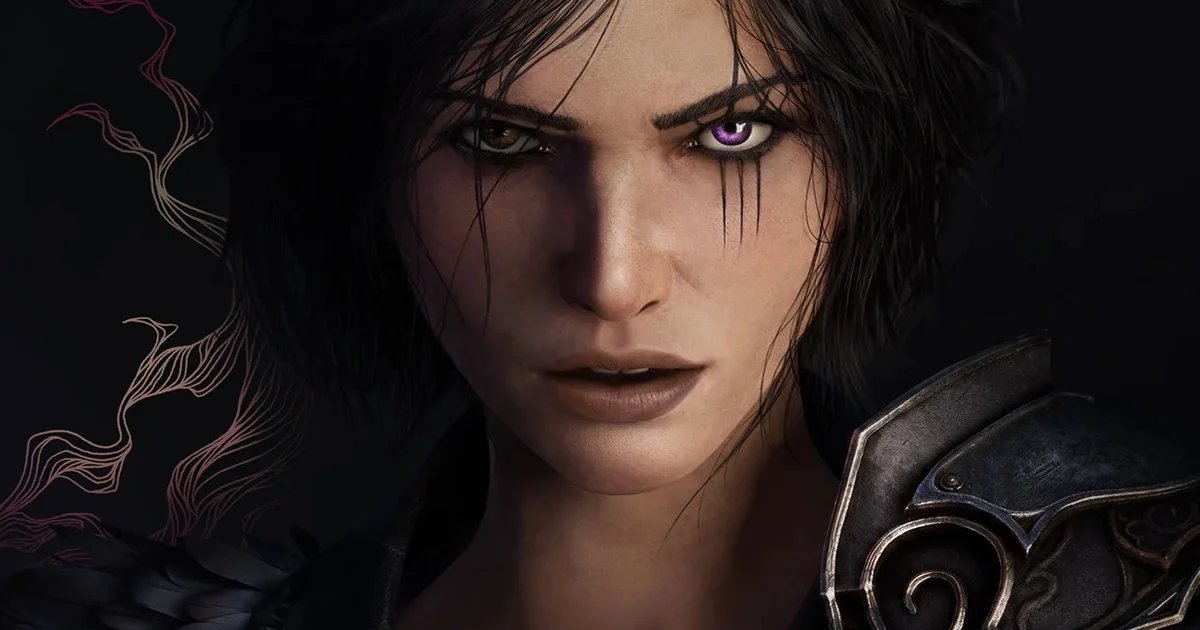
So it’s wholly fitting that the third game should focus on a plunderer, and a character we’re already a little familiar with. Like the De Runes, Sophia also had a pretty unhappy childhood. As a youngster, a group of nuns subjected her to some nasty experiments (as nuns do). She’s eventually rescued by her father, and finds a home among his gang of ruffians and thieves, whom you get to meet and greet in a charming early sequence that effectively doubles as a tutorial, and whom you instinctively know are unlikely to make it to the credits. Or, in dad’s case, to chapter two. No sooner has his right-hand-man Faro taken over than the bandits suddenly find themselves under attack. Faro smells a rat – though Asobo calls this mystery traitor Viper, presumably to avoid reminding the player of the conspicuous lack of rodents. Escaping alongside fellow thief Leni (the two were definitely roommates), Sophia sets sail for the Minoan island where her father perished, the Viper’s cohort hot on their heels.
Despite her career path, Sophia turns out to be rather less sneaky when dealing with human threats than Amicia. Instead, we get a new ingredient to Plague Tale’s work-in-progress recipe: sword combat. Despite the almost total absence of stealth kills, I was reminded of Sucker Punch’s Ghost duology in these skirmishes, with perhaps just a pinch of Hellblade – though Sophia’s a markedly more flexible, agile fighter than Senua.
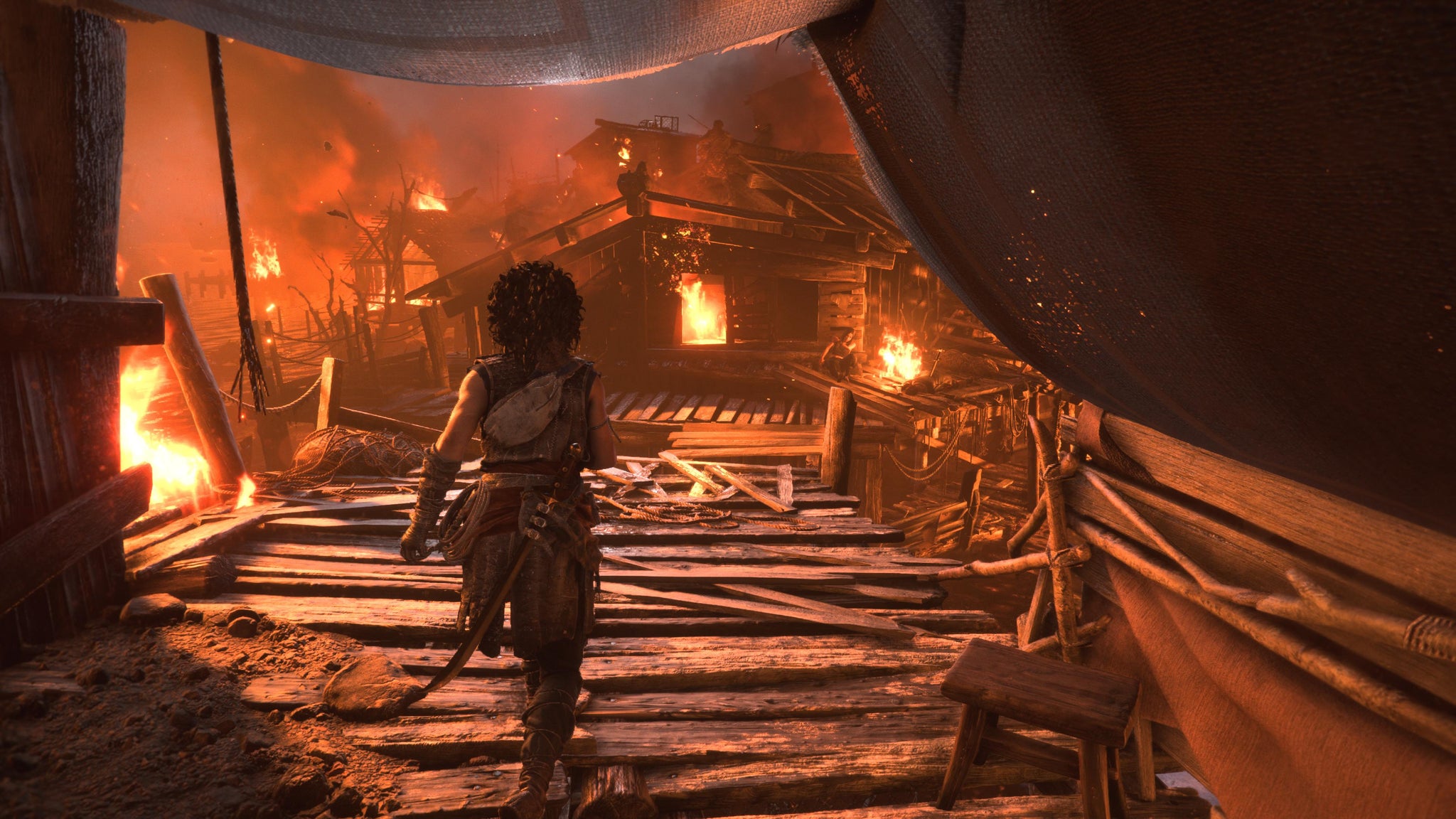
In an attempt to fit in with the triple-A cool kids, Resonance has brought a parry mechanic to the party; enemies, as is likewise de rigueur, have a poise meter of sorts. But while it certainly helps if you’re good at pressing the left bumper at just the right time, it’s hardly essential. You can invest Resonance points – shiny objects you find on your travels or are awarded after certain encounters – on specialisms. So if you’re not fond of parrying, Sophia’s dodge can quickly be expanded into a double dodge. On the other hand, if you’re really good at it, you can opt for a shorter parry window for greater stun power. Rather than having to commit to a specific branch of a lengthy skill tree of incremental boosts, in other words, there’s a handful of meaningful improvements in different areas, and you can respec at any time to suit your preferred approach. Lovely stuff!
Sophia’s kick, for instance, can be followed up by a second, and booting enemies into scenery and one another can easily open them up to a damaging charged stab. That in turn can be boosted to absorb a yellow-flashing parryable attack or a red unblockable one. Each skill has one of two options for mastery: I plumped for a double-dodge that makes you almost invincible for its duration, but could have gone for the riskier one that sees Sophia swing her blade to deal a bit of bonus damage as she spins on her heel.
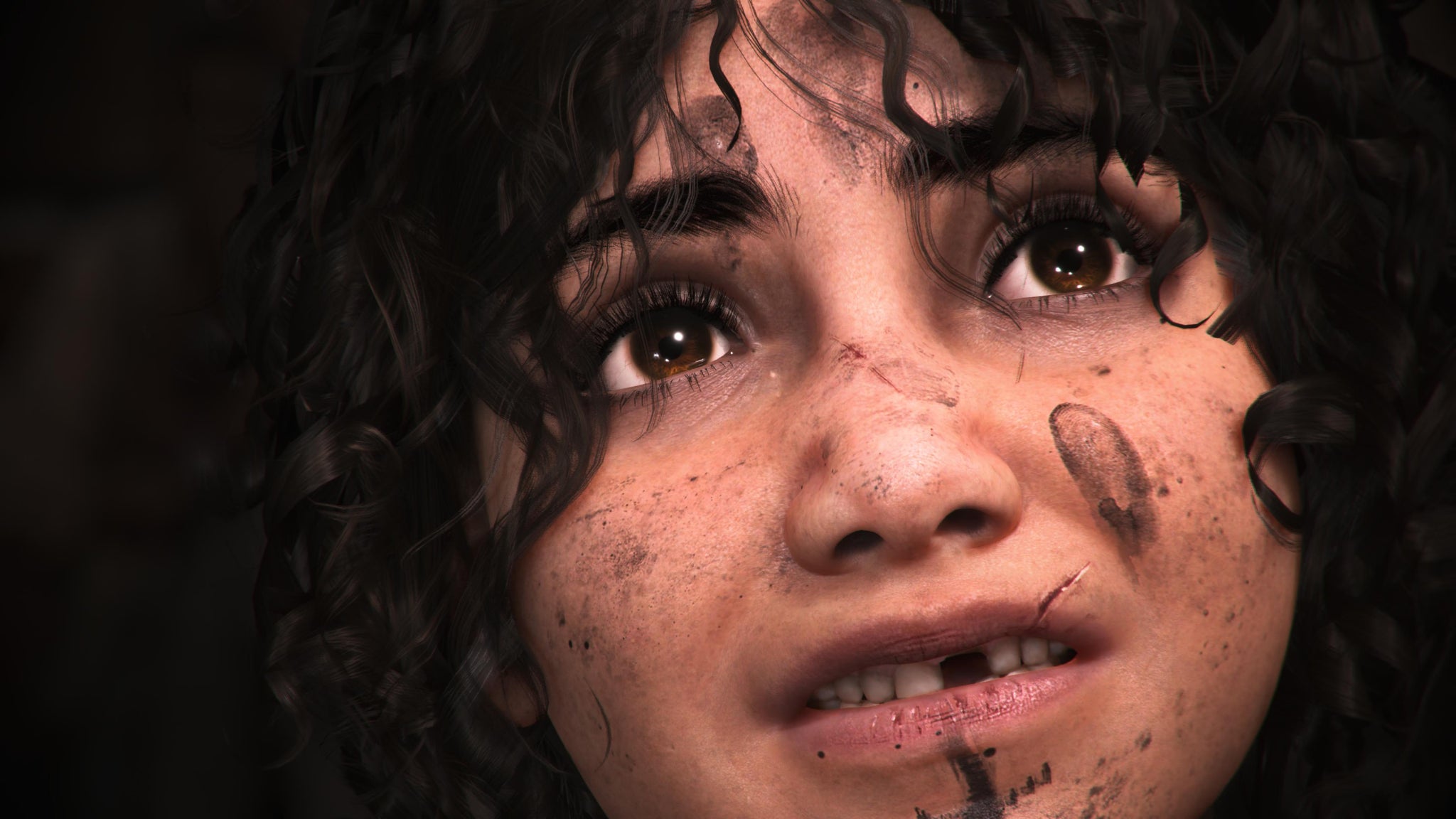
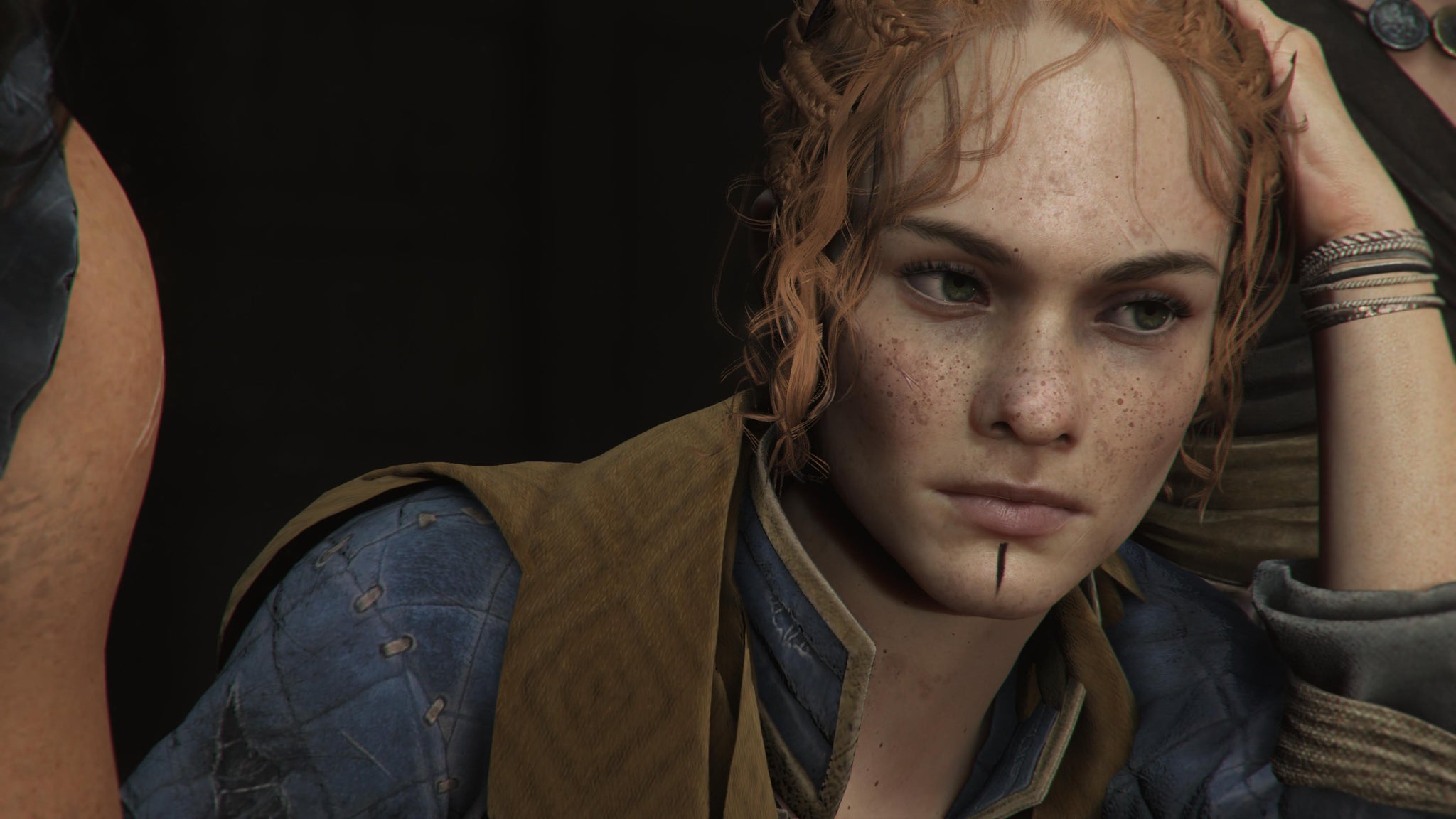
Even if combat isn’t really what I’m looking for from a Plague Tale game, I never found my eyes rolling like Sophia’s when a new group of enemies showed up. It’s bolstered by an appealingly boho perk system, too: arm bands and beads and bangles that might, say, increase your chance of dodging an incoming arrow or of surviving a normally fatal blow. (Sophia lives a charmed life, you might say.) In another neat touch, these items are physically present throughout, even if you may wonder how they’re staying on Sophia’s person through the more gruelling trials. In any case, it’s a neat incentive to pick each area clean.
When it comes to exploration, Asobo turns its magpie eye toward Tomb Raider – and, at least in a mechanical sense, it’s more old-school Lara than her rebooted counterpart. It offers you daringly little guidance in places: there’s no map, and the hint system not only makes you commit to holding down a button for help, but only gently nudges you in the right direction when you do. In the game’s middle act in particular, it’s not afraid to let you get at least a little lost, or pleasantly stumped when the way forward isn’t immediately apparent.
As with most ancient civilisations, the Minoans were evidently fond of light-reflecting puzzles, and Asobo’s banking on you feeling similarly; the ones here are mostly enjoyable, even if I would probably take issue with the Steam blurb’s description of them as “ingenious”. In any case, the payoff is always worth the effort: long-dormant mechanisms that rumble and clank to life at the player’s prompting would be among my personal picks for joy-sparking video game things.
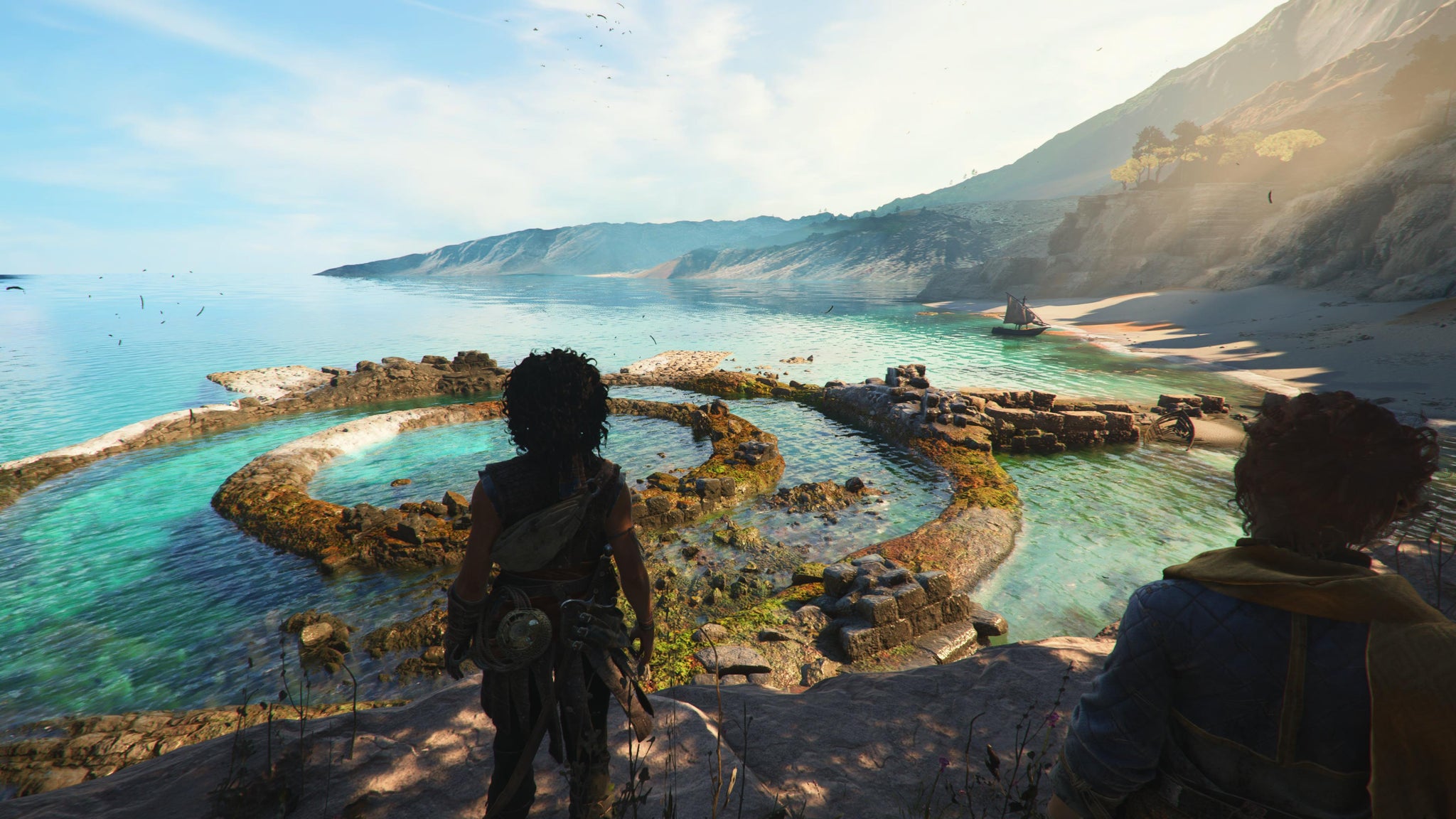
I’ll add another to the list. Periodically, Sophia will scribble down environmental clues as she happens across them, a cute touch which I think has been lifted from one of the Uncharteds – itself a practised pilferer, of course – and makes me wonder if Asobo considered subtitling this prequel A Thief’s Beginning. On the notebook screen, you can guide her hand across the sketches and tap them with her index finger for an observation that may just nudge you in the right direction. (Should she tire of the plundering life, incidentally, Sophia could definitely have a lucrative sideline as a hand model; these are not the digits of someone who has seen the amount of combat and rock climbing she has.)
For me, Resonance peaks in its first half, particularly during an extended bit of puzzle-led exploration punctuated by trap-filled challenges and the odd enemy encounter. Here, Sophia and Leni have an extended back-and-forth about what they’re going to call the boat they’re going to sail around the world in together. That these exchanges come between pockets of action where they’re brutally stabbing and slicing groups of big lads to death is weird but deeply endearing. Actors Anna Demetriou and Lisa Delamar maybe relax into this couple-y conversational mode a little too much, not least because these two hardscrabble bandits sound as well-heeled as the De Runes. “Even the mosaic reminds me of San Marco’s!” chirps Leni at one point; close your eyes and it could be a couple of Made in Chelsea cast members discussing their favourite trattoria.
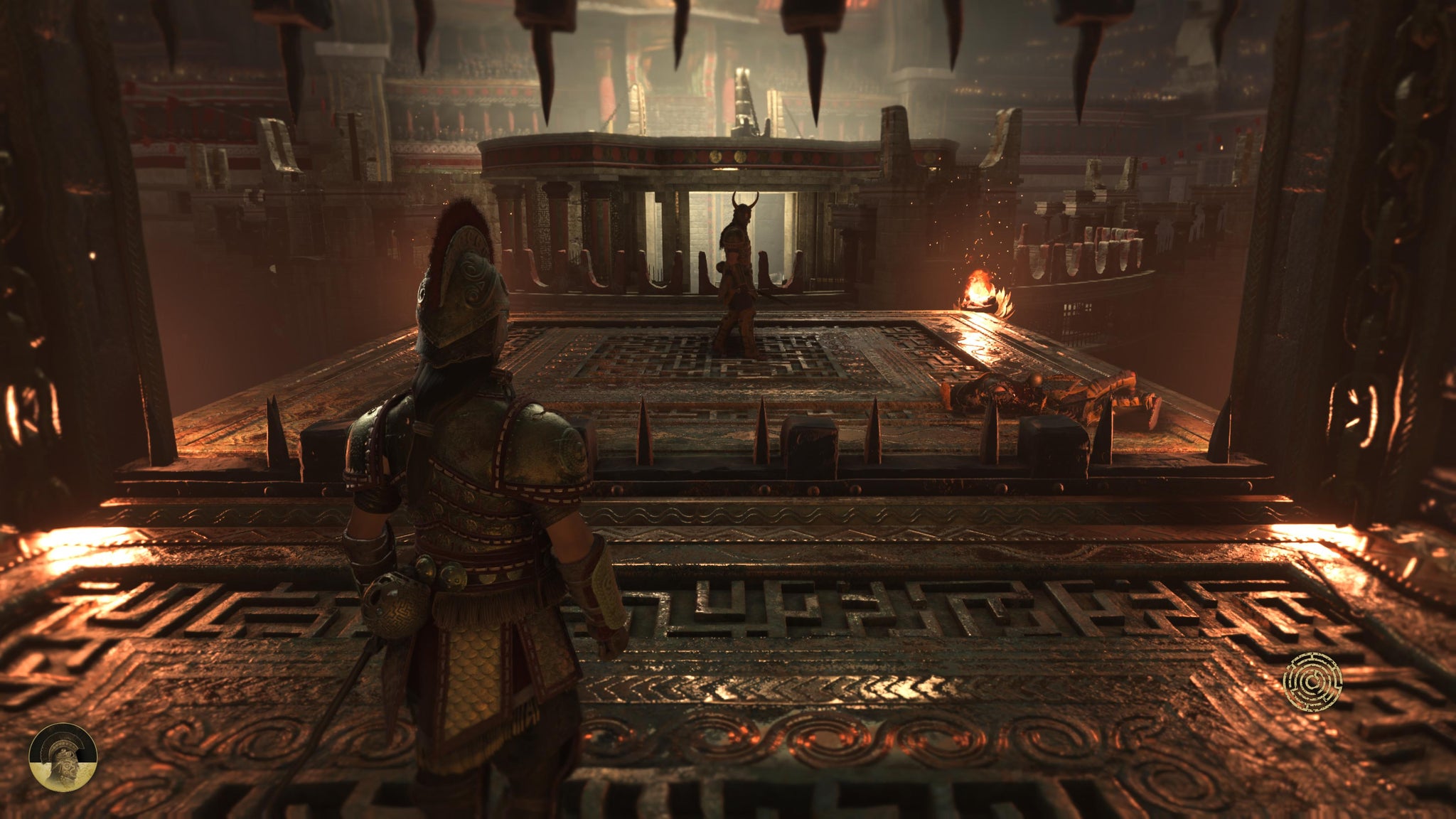
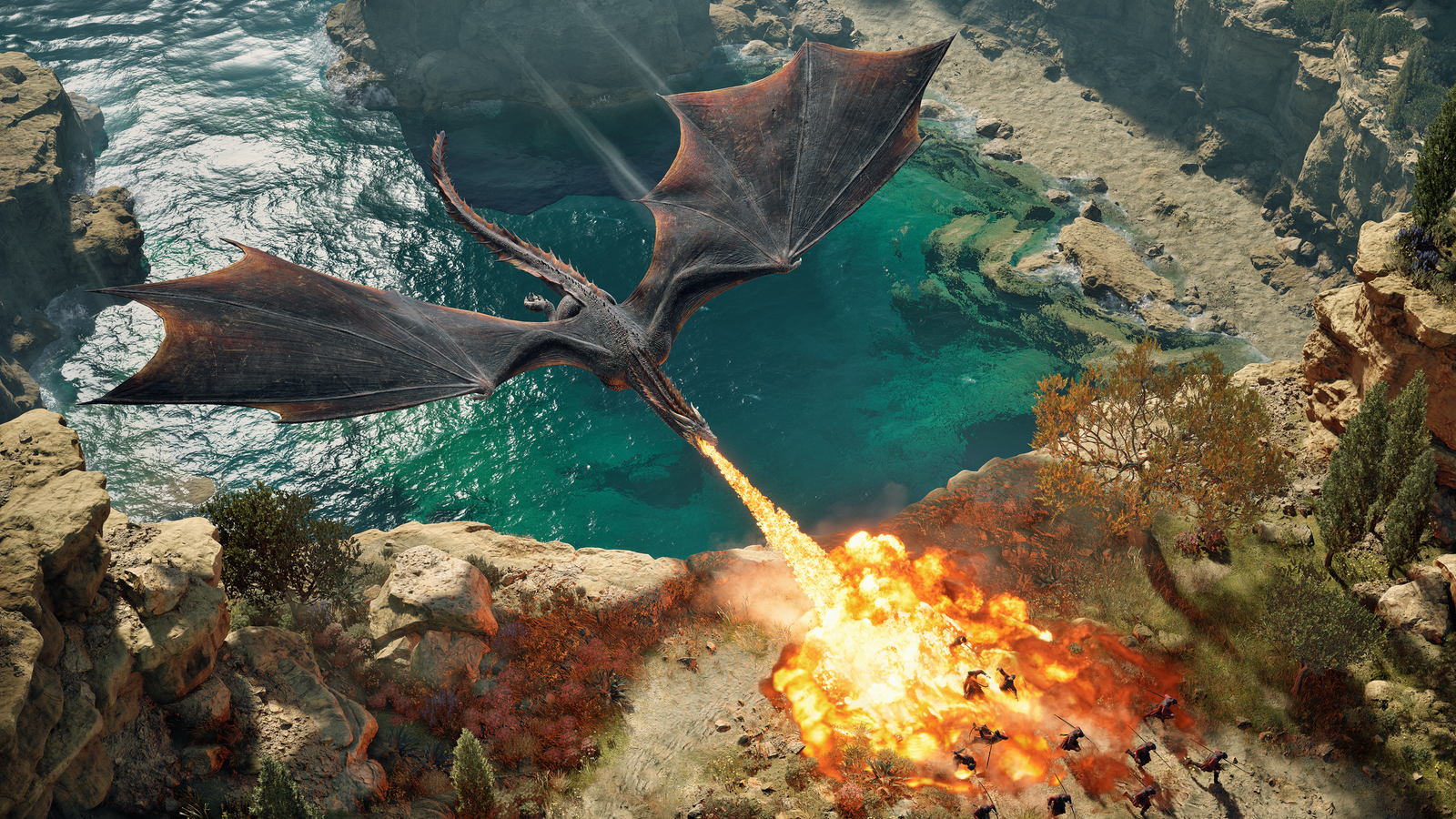
Asobo inevitably steps away from these sun-kissed exteriors and the levity of these mildly sociopathic interstitial chats, revealing it has plenty of dark secrets tucked in its back pocket. As Sophia descends deeper into the ruins, the visions she had as a kid become more potent, transporting us back in time, and to a mythic figure with whom she shares an unlikely connection. And there’s a much deadlier threat here, one even your armoured rivals are ill-equipped to handle.
Here at last comes some tense sneaking, since this terrifying foe is attracted by both sudden movement and noise, albeit staved off by light – though sometimes you’ll have no choice but to run, and squeeze through narrow gaps. If R3 isn’t quite enough to make that triple-A staple feel fresh, it’s deliciously horrible when the ‘walls’ are actually corpses; more so when those corpses start to twitch. There’s a delightfully unpleasant conceit that gives whole new meaning to the phrase “loud enough to wake the dead”, and a new type of enemy that nods to Resident Evil 4: never a bad place to borrow from.
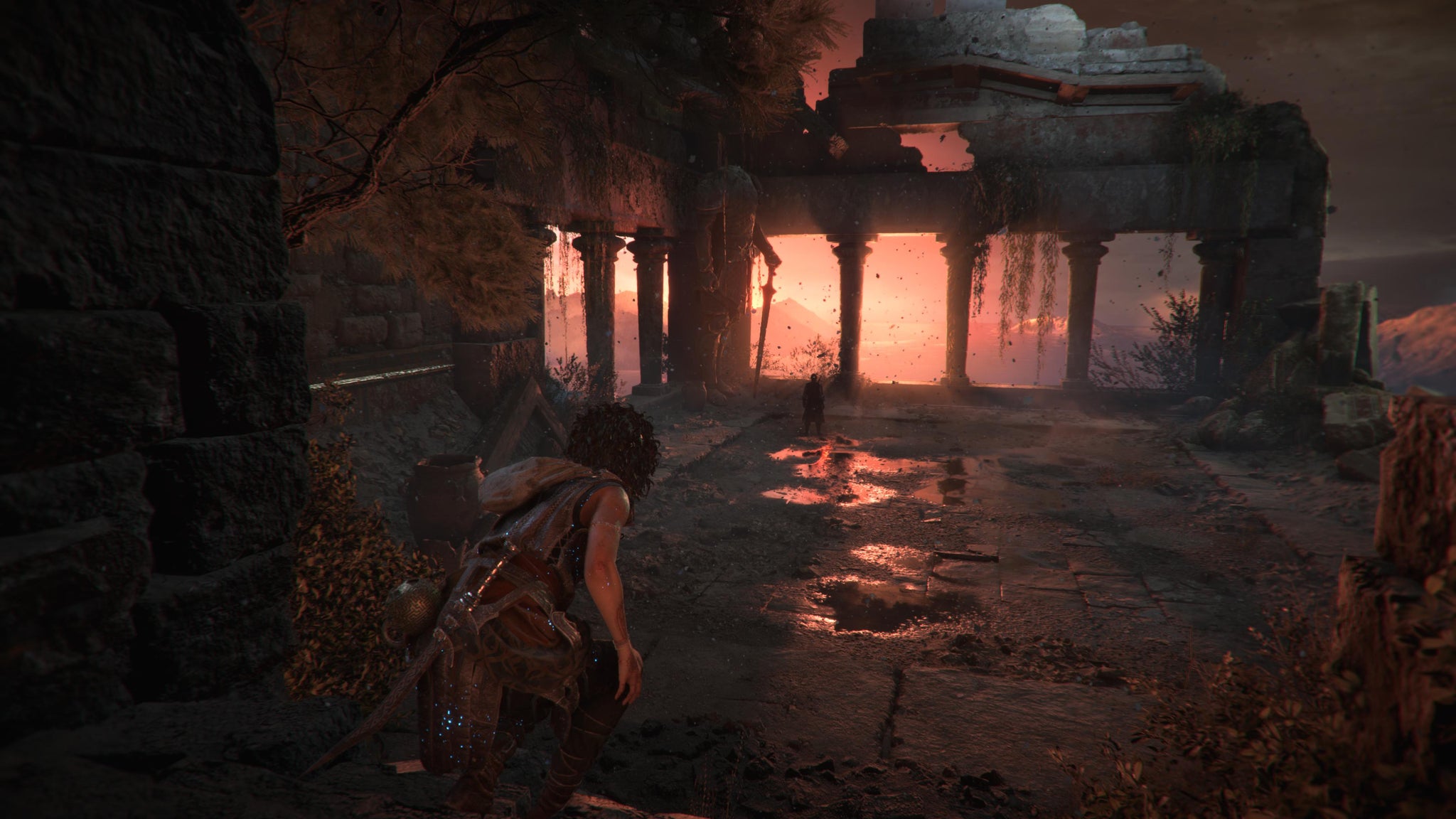
Even as it tries to mix things up, though, Asobo makes the same mistake as it did in Requiem and ladles on the trauma in great heaping portions. You’ll regularly make your way through artfully horrible tableaux of corpses – from the recently departed (and, indeed, de-parted) to the more desiccated variety, locked in permanent grasping distress. There are sights here that Hieronymous Bosch might well declare a “a bit much”. Granted, you don’t go into a game with ‘plague’ in the title expecting super happy fun times. But what felt impressively pitiless (and occasionally blackly comic) in Innocence becomes a full-on descent into abject misery.
And sure, you might think one of the things that defines a Plague Tale game, beyond that double-A-ness (don’t say it aloud), is its bleakness. But then it’s hardly alone in that regard. I’m not especially squeamish, but I do find it strange – not bad, just odd – that so many mainstream third-person action-adventures feature levels of horror and violence you’d ordinarily associate with extreme cinema. Though I have less of an issue with that than with how many of these games put women through hardships that seem to go a step beyond what is typically inflicted on male protagonists. Senua, Lara, Ellie, Abby, Amicia and now Sophia: I am growing slightly weary of seeing lingering close-ups of the faces of deeply traumatised, grief-stricken young women, streaked with tears, sobbing or screaming in physical or emotional agony. Demetriou lets out one particularly haunting shriek that I hope for her larynx’s sake required only one take. Again: a bit much.
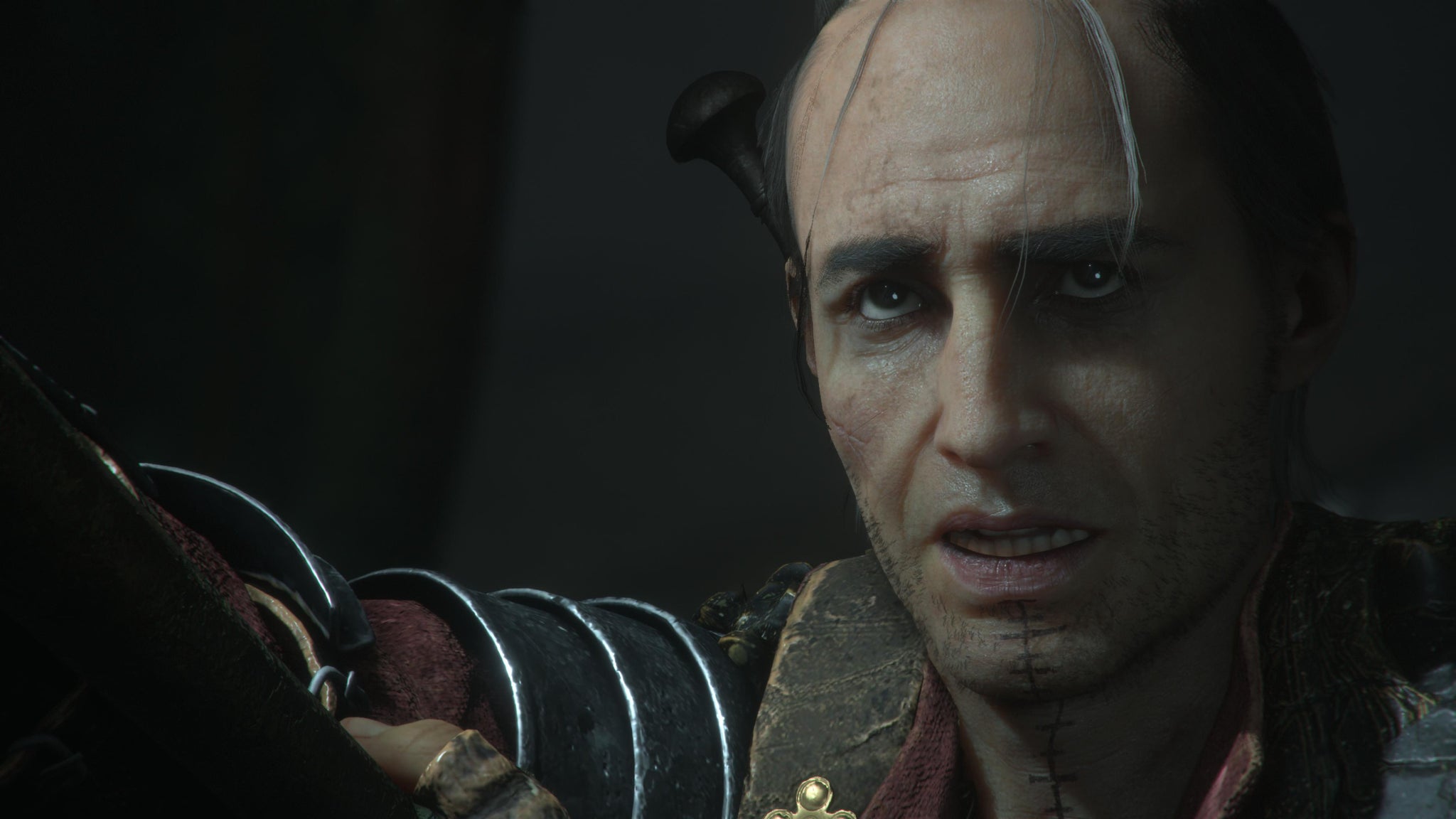
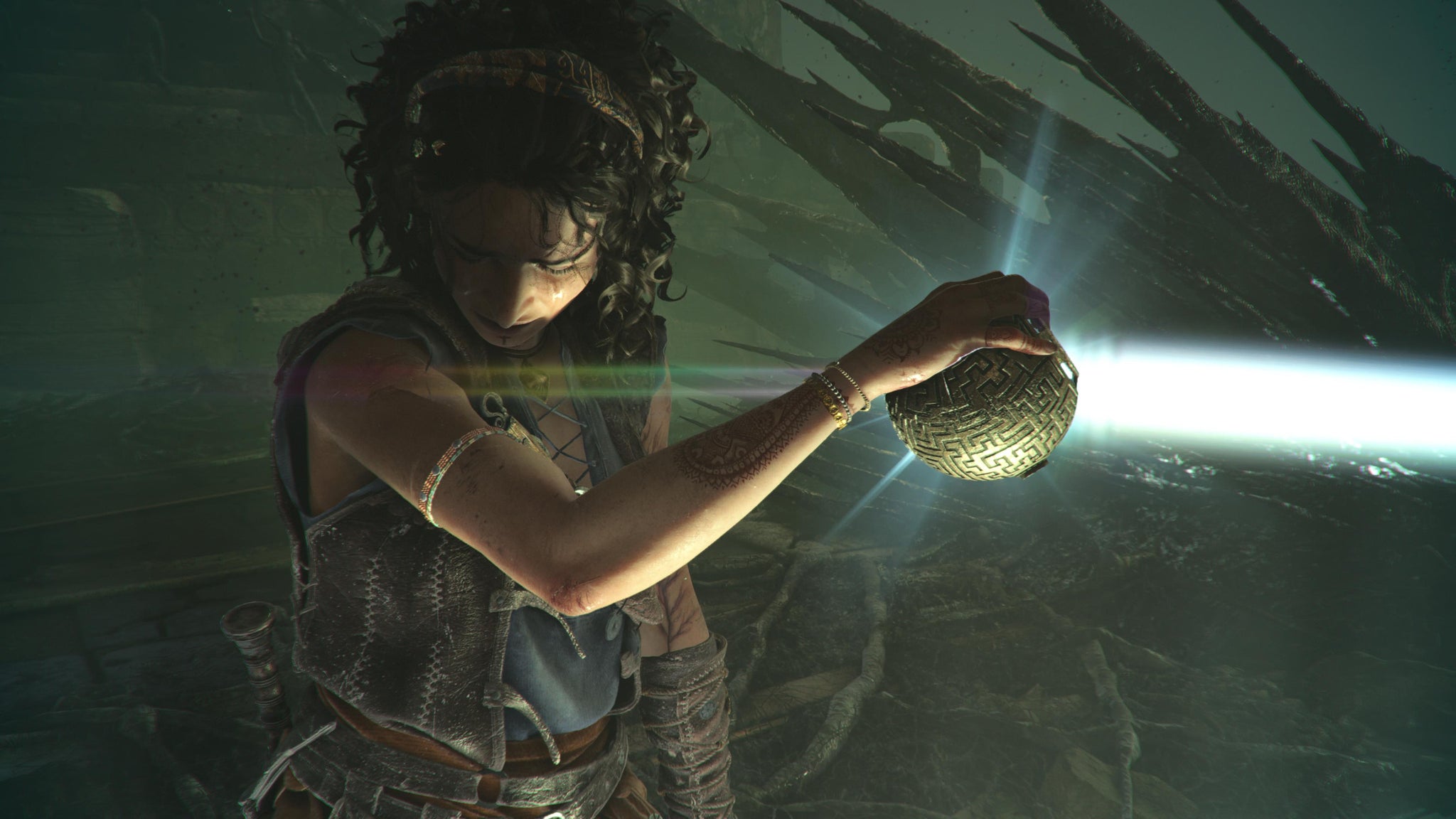
As in Requiem, Resonance really puts its hero through the wringer in the closing stretch, and at times it feels like we’re being invited to share her pain. If you know your mythology (or have been paying attention during the early flashbacks) you’ll know where this is going to end up. Any concerns that the presence of an environment that gave us the word ‘labyrinthine’ mightn’t pair well with Asobo’s desire to deliver a well-paced action-adventure that doesn’t hold your hand too tightly are borne out. There’s one sequence in particular that falls squarely between two stools: apparently torn about how much visual guidance to give you, it alternates between too much and none at all.
And yes, that it’s a bit of an ordeal is at least somewhat intentional. But were you to play a drinking game for each time Sophia says “I need to end this” or “this ends now” or variations thereon, you’d also fall short of the credits. (Note to developers: if your protagonist keeps yelling things like “No, not again!” or “I’ve had enough of this!” there’s a greater-than-zero chance your players will feel similarly.) As Sophia collapses and slowly gets to her feet for the umpteenth time, a voice telling her “it will soon be over” feels more like a reassurance to us than her.
I might be labouring the point – though forcing you through an arduous final act would be the most fitting way to wrap up this particular review. But I can’t overstate just how much it took the shine off a game I otherwise largely enjoyed. There’s a bittersweet irony to the fact that, in a game so focused on refraction puzzles that its protagonist is moved to comment on their prevalence, its story would have benefitted enormously from just a little more light.
A copy of Resonance: A Plague Tale Legacy was provided for this review by Focus Entertainment.