dailynewsnblog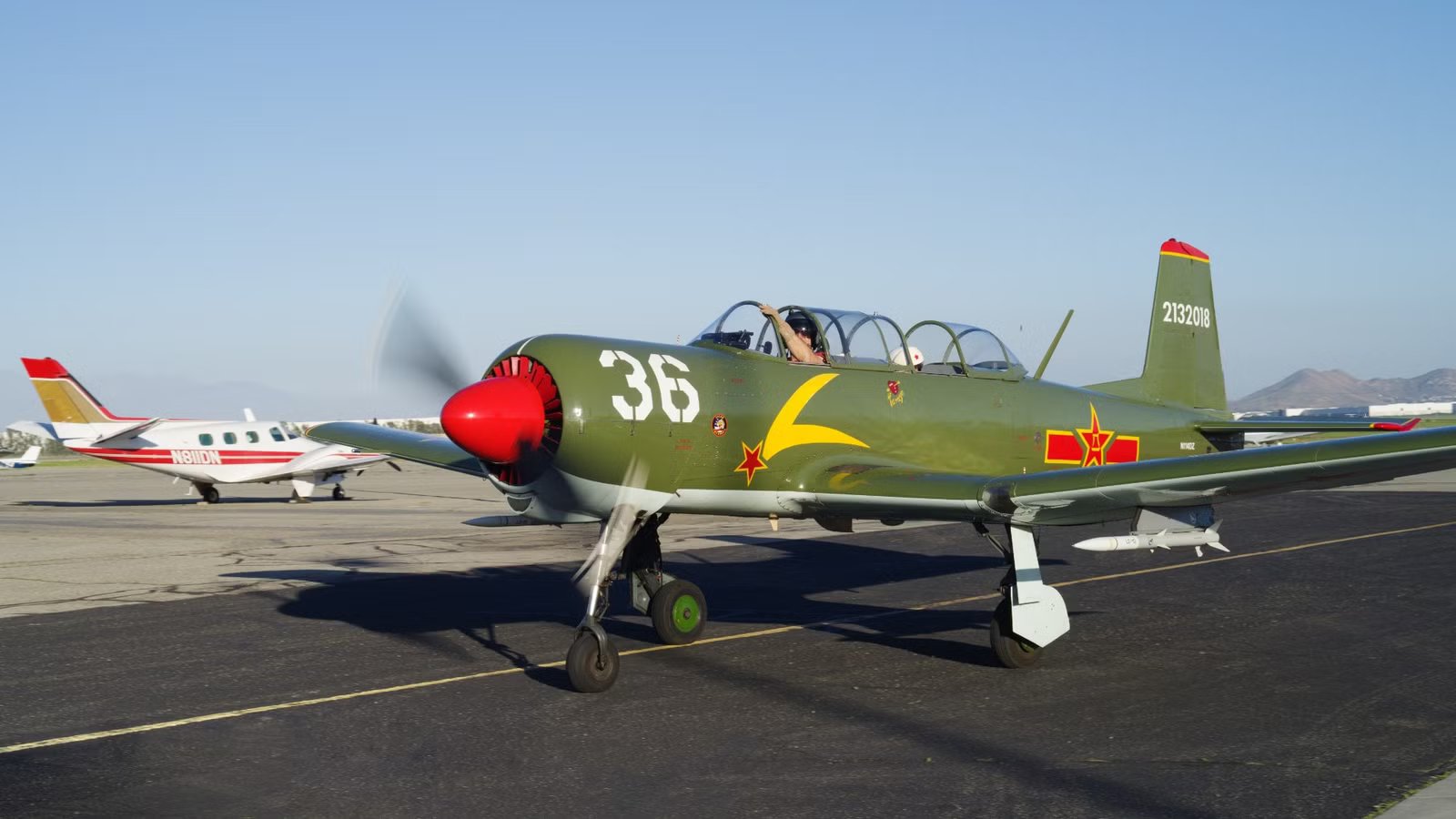
China has reportedly imposed an indefinite nationwide suspension on most general aviation (GA) flying following last week’s fatal light aircraft crash into Beijing’s tallest skyscraper. The reported restrictions were introduced just days after a two-seat sport aircraft struck the 528-meter (1,732-foot) CITIC Tower, also known as China Zun, killing the pilot and injuring 13 people on the ground, as reported by Financial Times. While authorities have not publicly announced the measures, multiple operators across China say they have been ordered to stop recreational flying.
The move represents one of the most sweeping restrictions ever reported on China’s already tightly controlled general aviation sector. It also comes at a time when Beijing has been promoting its “low-altitude economy,” encouraging investment in drones, electric aircraft, and private aviation. The reported suspension has therefore raised questions about how long the restrictions will remain in place and what they could mean for the industry’s future.
China Reportedly Grounds General Aviation Nationwide

The reported nationwide order affects private light fixed-wing aircraft and many recreational aviation activities, including flight training, panoramic tours, gliding, skydiving, and paragliding. According to the Financial Times, flying clubs and operators across several provinces confirmed that they had received instructions to halt operations, although emergency flights and certain government-approved missions may continue. No official timeline has been provided for lifting the restrictions.
The decision follows the June 26 accident involving a domestically built Aurora SA60L light sport aircraft. The airplane departed from Shifosi Airport northeast of Beijing before crashing into the upper floors of CITIC Tower during the evening rush hour. The pilot, who was the aircraft’s sole occupant, died in the accident, while 13 people inside or near the building sustained injuries from falling debris and shattered glass. Authorities continue to investigate the cause of the crash.
Beijing Tower Crash Raises Major Security Concerns

The incident has generated particular concern because Beijing’s airspace is among the most tightly controlled anywhere in the world. Military authorities oversee most Chinese airspace, while a permanent no-fly zone covers the capital’s political center around Tiananmen Square and Zhongnanhai. The CITIC Tower sits close to that core prohibited area, so aircraft are rarely seen flying anywhere near Beijing’s central business district.
According to reports from the South China Morning Post, the crash created a difficult security dilemma for Chinese authorities. Aviation experts noted that the aircraft’s unexpected appearance over central Beijing exposed vulnerabilities despite the city’s extensive airspace controls. The incident also prompted intensified safety inspections at flight schools, with nationwide flight training suspended while authorities review procedures, according to local flight schools.
The reported response appears to extend well beyond Beijing itself. Operators in multiple regions have reported receiving directives to ground recreational flying nationwide rather than implement localized restrictions. Some drone operations remain active depending on location, although Beijing had already introduced stringent drone controls earlier this year, according to another Financial Times article.
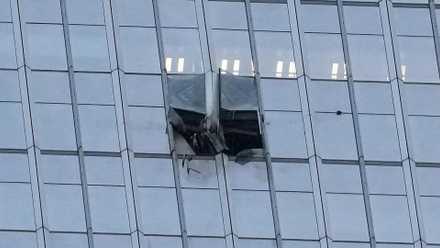
Small Plane Crashes Into Beijing’s Tallest Skyscraper, Raining Debris On Street
A small aircraft veered off course, plunging into the heart of Beijing’s tallest skyscraper, leaving a trail of debris and chaos in its wake.
What The Suspension Means For China’s Aviation Industry

China’s general aviation industry remains relatively small compared with those in North America or Europe. The country has spent years attempting to expand private flying and flight training while simultaneously maintaining strict military oversight of national airspace. More recently, Beijing has heavily promoted the development of its “low-altitude economy,” encompassing delivery drones, advanced air mobility, such as air taxis, and general aviation services.
The reported suspension, therefore, represents a significant setback for flying clubs, pilot training organizations, and recreational operators. Flight-tracking data from Simple Flying showed a sharp decline in non-commercial aircraft activity immediately after the accident, suggesting that operators complied quickly with the reported directives despite the absence of any formal public announcement by regulators.
For now, investigators have not publicly determined the cause of the Beijing crash, and Chinese authorities have not confirmed when the reported nationwide restrictions will be lifted. Historically, this is not the first nationwide ban on GA; it mirrors what the US implemented right after the September 11 attacks, when airspace remained closed to commercial traffic until September 13 and to GA until September 14, with a gradual reopening under stricter procedures, according to the FAA. However, until additional information emerges, commercial airline operations in China continue as normal, while much of the Chinese recreational and general aviation community appears to remain grounded.