dailynewsnblog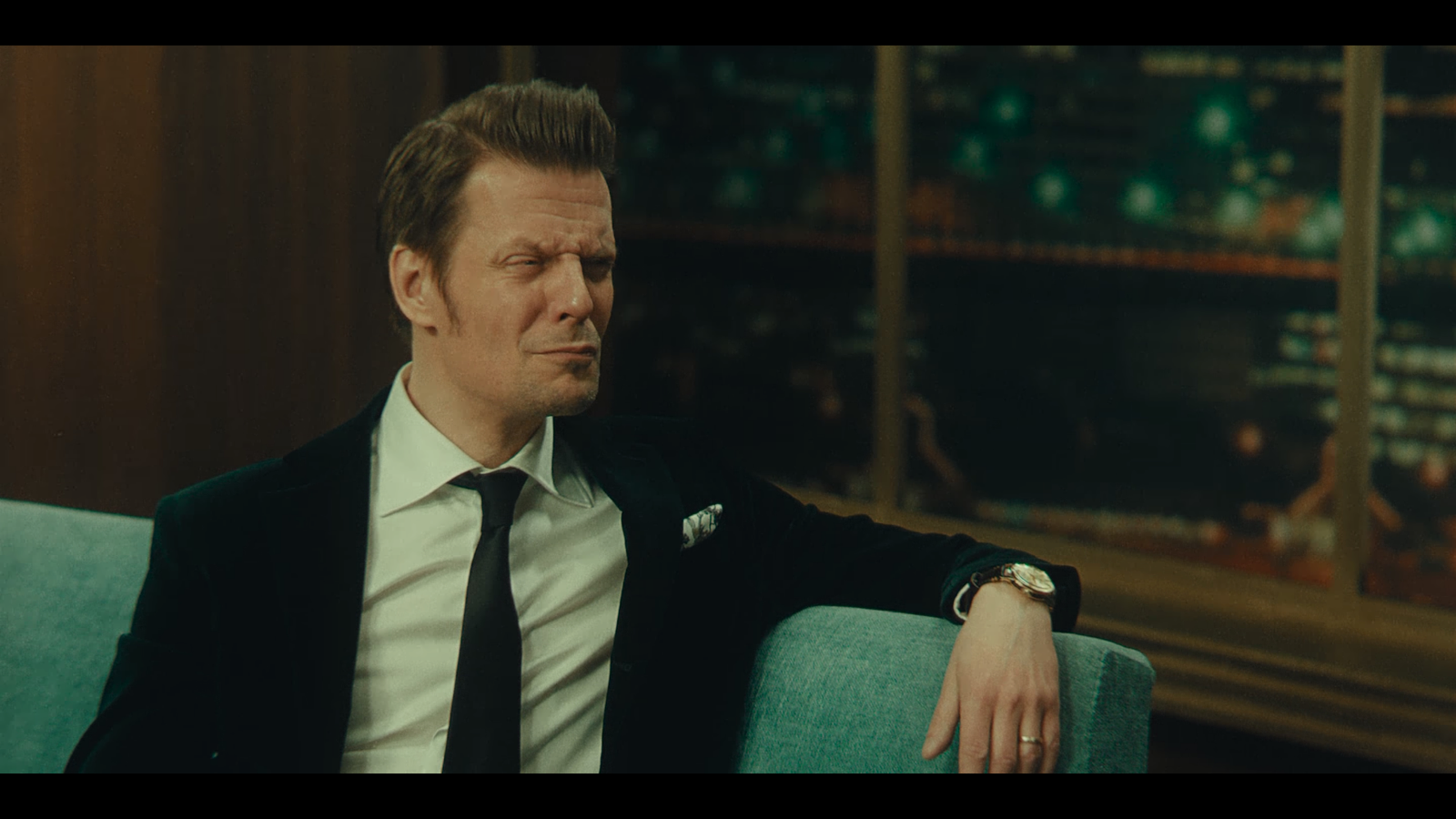
Earlier this year, Remedy Entertainment hired a new CEO, Jean-Charles Gaudechon, a former EA executive and sports betting guy who talked about things like the need to “scale Remedy in a way that builds lasting value.” I don’t care for that sort of Mr. Business lingo, really, but it’s not beyond the pale to suggest that Remedy perhaps needs a little more focus on that part of things: The company is famous for making beloved critical darlings that really don’t make a lot of money.
There was a feeling among some (including myself) that Gaudechon was brought in to yank the wheel hard in the direction of more money, but in a new interview with The Game Business he said that’s not the case at all—and that he understands where those fears are coming from.
“I think I got chosen because I know exactly what Remedy is. And what needs to be protected, needs to be supported and needs to be grown,” Gaudechon said. “Remedy is one-of-a-kind. It’s a studio that has amazing creative drive. It’s a studio that also has been messy here or there, and that’s the beauty of the type of games that were made and how. What I hope I can bring to Remedy is vision on where the company could go and where we could make some improvements.”


Gaudechon even “loved” the reaction to his announcement, he said, because it showed how protective the Remedy community is: “People from the industry and close friends sent me messages saying things like, ‘JC, that’s awesome. Congrats.’ And the last line was, ‘Don’t fuck it up.’ It was, ‘We love Remedy so much. Don’t fuck it up.’ That shows you how much people love Remedy.”
Remedy is home to “very strong signature products,” Gaudechon said. But “there’s so much more we can give in terms of super strong authored, creative, crazy stories and gameplay,” he continued, adding that “honestly, we haven’t achieved half of the potential in terms of the products that we make.”
He also thinks that game franchises like Alan Wake and Control “could give a lot more,” too: “There’s a vision on thinking bigger for some of these IPs, which need to find its audience much, much further than the current audience. It’s super exciting.”
What exactly that looks like remains to be seen, but Gaudechon said Remedy needs to “think more about how we are approaching our IPs as a franchise.” That kind of talk has a way of making my brain itch, but it’s a course Remedy is already charting through its 2024 deal with Annapurna.
“Annapurna goes into making our games, our franchises shine further and reach an audience that doesn’t exist today,” Gaudechon said. “It’s a pity, I think Alan Wake should have sold more. Control should have sold more. To me, that’s one of the first things we need to fix, even before trying to make more games to a certain extent. First of all, maximize the potential of the ones we have, because they’re incredible. And cross-media is going to help us do that.”
It’s a strategy that also seems to be a good fit with Remedy’s overarching ambitions: Not just in its overtly cinematic approach to game creation, which has been on clear display since the original Max Payne in 2001, but also in the “Remedy Connected Universe” the studio first clued us all into in 2020. Will pushing all of those strange, interconnected worlds out into television, film, graphic novels, radio plays, or whatever turn Remedy’s niche games into big hits? I have my doubts, but it will at least get them in front of more eyes, and that’s a start.
Besides, real fans know Remedy’s been doing this kind of thing for years already anyway.