dailynewsnblog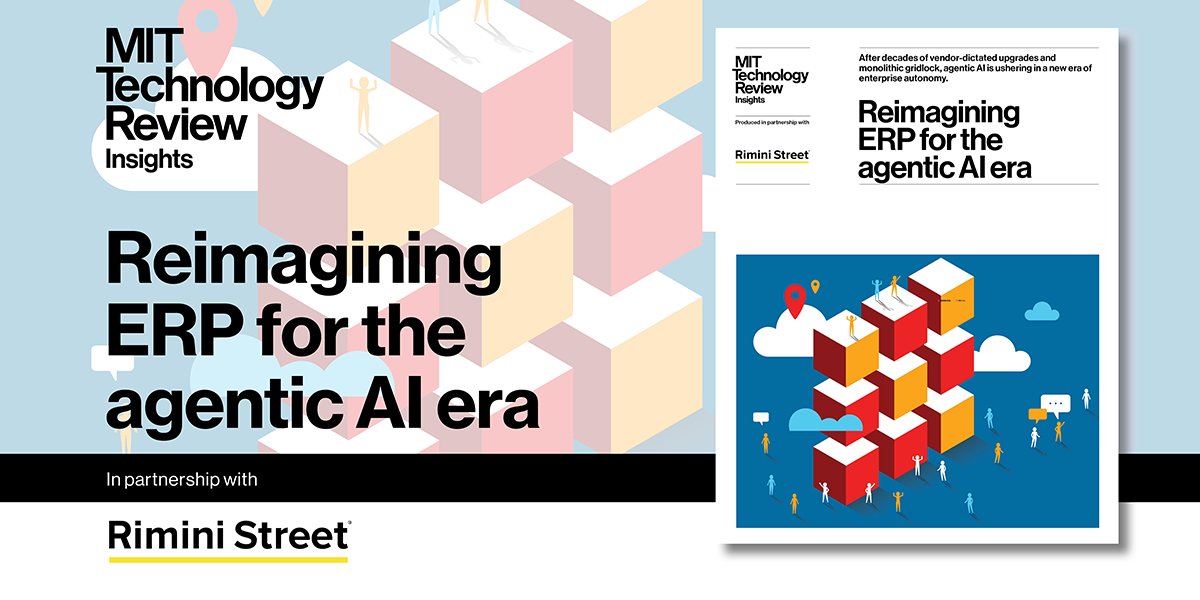
Early indicators suggest that AI-enabled ERP will yield meaningful performance gains: One 2024 study found that organizations implementing AI-driven ERP solutions stand to gain around a 30% boost in user satisfaction and a 25% lift in productivity; another suggested that AI-driven ERP can lead to processing time savings of up to 45%, as well as improvements in decision accuracy to the tune of 60%.
These dual advancements address long-standing gaps that previous ERP eras fell short of delivering: freedom to innovate outside of vendor roadmaps, capacity for rapid iteration, and true interoperability across all critical functions. This shift signals the end of monolithic dependency as well as a once-in-a-generation opportunity for early movers to gain a competitive edge.

Key takeaways include:
- Enterprises are moving away from monolithic ERP vendor upgrades in favor of modular architectures that allow them to change or modernize components independently while keeping a stable core for essential transactions.
- Agentic AI is a timely complement to composability, functioning as a UX and orchestration layer that can coordinate workflows across disparate systems and turn multi-step processes into automated, cross-platform operations.
- These dual shifts are finally enabling technology architecture to organize around the business, instead of the business around the ERP. Companies can modernize by reconfiguring and extending what they already have, rather than relying on ERP-centric upgrades.
Download the report.
This content was produced by Insights, the custom content arm of MIT Technology Review. It was not written by MIT Technology Review’s editorial staff. It was researched, designed, and written by human writers, editors, analysts, and illustrators. This includes the writing of surveys and collection of data for surveys. AI tools that may have been used were limited to secondary production processes that passed thorough human review.