dailynewsnblog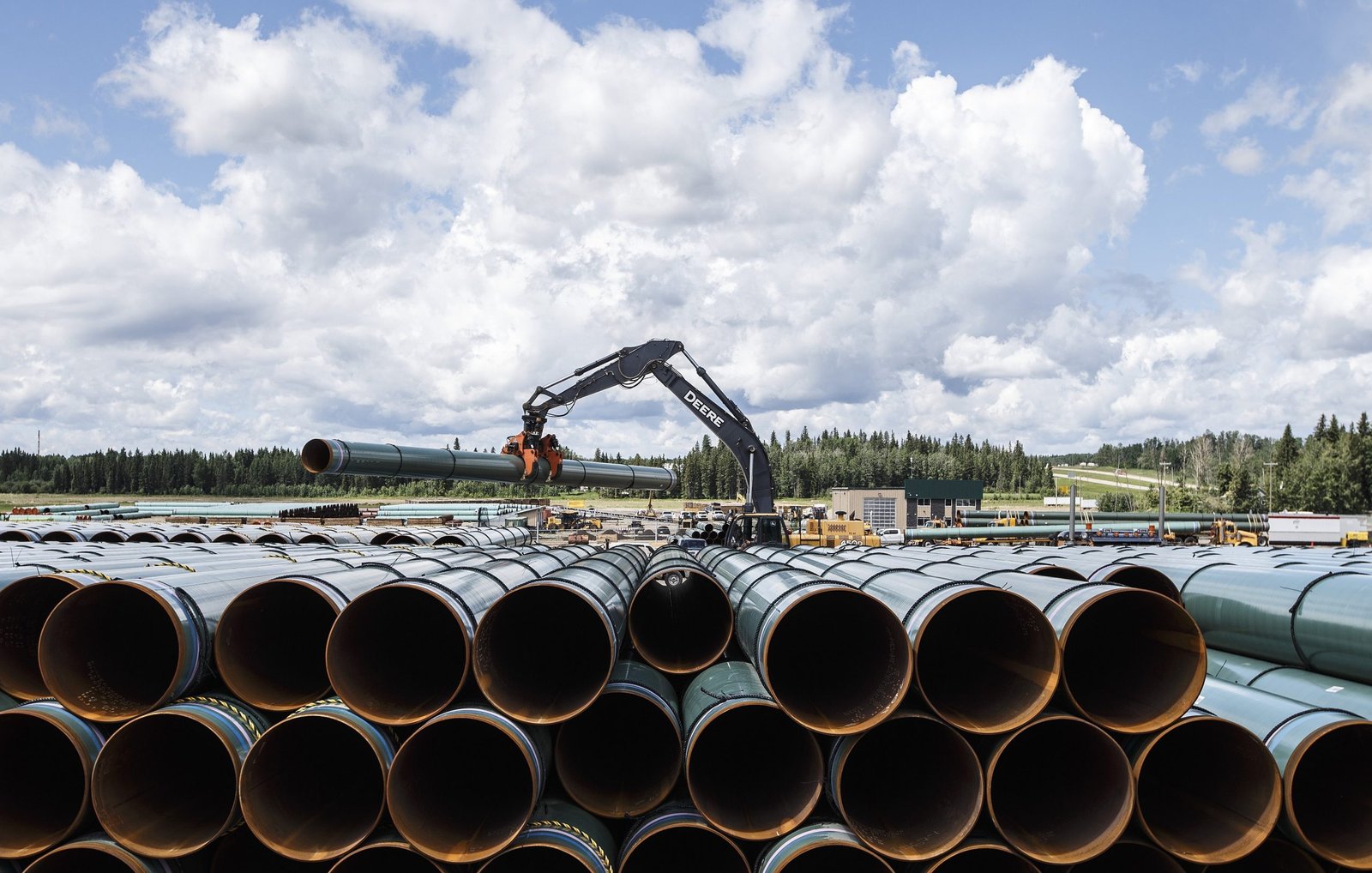
Canada stands at a crossroads — poised to seize control of its destiny and become a global energy superpower. This should also be the moment when this country finally turns the page on the harsh legacy of colonialism and opens a new chapter in which all the peoples of Canada, especially its First Peoples, will have an equal share in its bounty.
These are challenging and hope-filled days for Canada.
Why challenging? The reasons are pretty clear.
Even as we gather once again on September 30th to observe the National Day for Truth and Reconciliation, the threats and insults from our neighbour to the south continue.
The same goes for the protectionist tariffs that have upended Canada’s long-standing, close friendship — founded on free trade — with the United States. The economic effects are felt everywhere — from the price of steel, to the price of gas, to the cost of groceries.
However ludicrous the “51st state” rhetoric may be, Canadians are feeling these threats keenly. They are an affront to the country’s national identity and sense of self.
But the truth is that, although Indigenous peoples are very aware of the grievous mistakes of past Canadian governments and institutions, First Nations peoples feel these threats to our sovereignty more keenly than anyone.
To put it bluntly, Indigenous people understand what it’s like to be overtaken and pushed aside by overwhelming numbers. We’ve been there.
We know viscerally and personally what it means to become voiceless in our own land. We know how it feels to have our children’s futures stolen by the stroke of a politician’s pen in a far-off city.
This strange new reality fills Canadians with unease and outrage. Rightly so.
But for First Nations it goes deeper than that: It reminds us of the history of colonization, which for us is still very real.
And it fills us with unshakeable resolve to uphold our Treaty rights, to preserve our ways of life, and to fight for our standing as stewards of our traditional territories, no matter what.
And this brings me to hope.
I am here to tell you that, in Canada in 2026, we are making progress. It hasn’t been a fast or easy road. But we are travelling it together. And we are getting somewhere.
I say this as the Chief of Fort McKay First Nation in Northern Alberta, where we continue to rack up wins as reliable partners with the resource industry, as well as stewards and protectors of our environment.
Our development project at site 174C is the only Indigenous-owned, Indigenous-led oil sands development in Canada. We’re moving this forward with government and commercial partners. At the same time, we’ve had notable successes, such as at Moose Lake, in preserving and protecting our wild spaces.
Some might believe this is an unlikely duality. But in Fort McKay it’s just how we do business. We’ve worked this way for decades, always seeking a pragmatic path that fosters jobs and economic success for our people, while upholding our most deeply held values. It works.
And I’m happy to say that Fort McKay is no longer an outlier. With support from policies such as the federal and Alberta Indigenous loan guarantees, First Nations across Canada are at last beginning to claim their own seats at the table, just as we in Fort McKay have done. This is great to see.
This brings me to my ask, as Canadians and Indigenous peoples alike reflect again on the terrible legacy of Residential Schools and the multi-generational trauma they inflicted on our people.
Prime Minister Mark Carney has taken steps to ignite investment in major resource projects, including pipelines, and to speed up the regulatory process. He’s working as well to draw in billions in new investment in Canada from overseas. As the elected leader of a Nation that is actively engaged in the resource sector, I support the spirit of these initiatives. But the devil is in the details.
So, my request to Canadians governments and industry is this: As you seek to ramp up the tempo of major resource projects in Canada, be sure to learn from the mistakes of the past, and also the successes of the recent past.
Actively seek out the traditional knowledge keepers and stewards of the lands where you seek to develop resource wealth. Actively welcome them to the table — not just as advisors or consultants but as leaders, partners and equity shareholders.
My Nation and its members on the shores of the Athabasca River have demonstrated time and again that this approach works — for industry, for the Canadian and Alberta taxpayer, and for the Indigenous workers who find gainful trades and employment in these industries.
Canada stands at a crossroads — poised to seize control of its destiny and become a global energy superpower.
This should also be the moment when this country finally turns the page on the harsh legacy of colonialism and opens a new chapter in which all the peoples of Canada, especially its First Peoples, will have an equal share in its bounty.
Raymond Powder is the Chief of Fort McKay First Nation, in Northern Alberta.
The views, opinions and positions expressed by all iPolitics columnists and contributors are the author’s alone. They do not inherently or expressly reflect the views, opinions and/or positions of iPolitics.