dailynewsnblog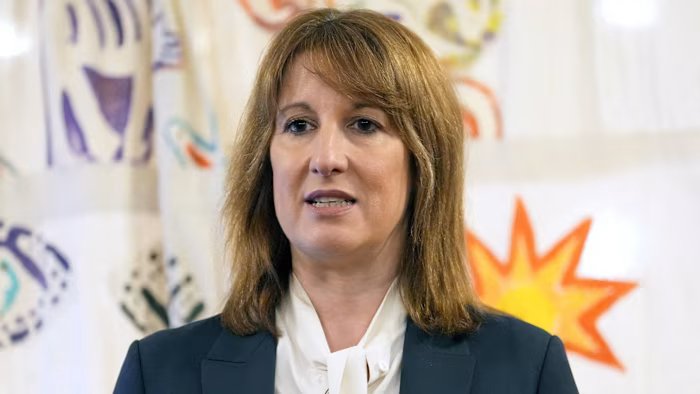
Unlock the Editor’s Digest for free
Roula Khalaf, Editor of the FT, selects her favourite stories in this weekly newsletter.
Rachel Reeves said the UK would intensify efforts to ease trade barriers with partners around the world as it and other European countries faced the renewed spectre of US tariffs because of the Greenland dispute.
The chancellor also defended the UK’s decision not to threaten retaliation against the Trump administration over the Greenland dispute, saying negotiation was the “only way forward”.
But she said the current global turmoil increased the arguments for the UK to ease barriers with new partners, as well as existing ones, as it seeks to bolster growth and bring down prices.
“Our message is even while others are erecting barriers to trade, we want to bring them down. We think that is good for Britain, good for consumers and good for business,” she said in an interview with the FT.
Reeves was heading to meetings in Davos that have been overshadowed by Trump’s tariff threats as the US president seeks control of Greenland. Prime Minister Sir Keir Starmer has opted not to threaten retaliatory measures, saying this week that a “tariff war is in no one’s interest”.
Addressing the threat of new US tariffs, Reeves said: “Let’s see where we get to in the next few days. Instead of overreacting, which is what a lot of people do, [Starmer] stays calm. That is in our national interest — we have seen that time and time again.”
She added: “I believe the only way forward is through negotiations.”
The measures Trump is threatening would deal a further blow to manufacturers already feeling the effects of the tariffs imposed in 2025, even before reckoning with the longer-term consequences of a breakdown in transatlantic trade ties.
Paul Dales, UK economist at the consultancy Capital Economics, said that since May, the average monthly value of the UK’s goods exports to the US had fallen by £0.75bn, or 13 per cent compared with the year before Trump’s re-election — with carmakers, pharma and oil exports hardest hit.
If the new tariffs now threatened also took effect, the combined effect could cut UK GDP by 0.30-0.75 per cent, he estimates.
Reeves said that in Davos she would be talking to other European countries, as well as Canada and Gulf nations, as she seeks ways to bolster international trade.
“My strong belief is that in a changing world we must deepen old economic relationships but also be ambitious in planning and forging new ones,” she said.
Reeves said she did not accept a suggestion that the US could not be trusted on its trade deal with the UK, adding that the agreement negotiated last year “still stands”.
However, the US is currently levying a 25 per cent tariff on imports of steel and aluminium from the UK despite an agreement reached in May to cut this to zero.
On top of this, the Trump administration has threatened to impose 10 per cent tariffs on the UK and several other Nato allies from February 1 because of the Greenland dispute.
Research published earlier this week by the Resolution Foundation pointed to trade as one of the key areas where the government’s actions to boost economic growth had fallen short of its ambitions.
The think-tank said efforts to “ease some of the most damaging post-Brexit frictions” and pursue new trade deals with the US and India would at best yield half the potential gains of re-entering a single market for goods with the EU — an option ministers have ruled out.
Reeves has been urging business to make the case for the UK as an investment destination heading into the Davos meetings.
At a reception last week, she told business leaders that Britain should sell itself as offering political and economic stability, world-class universities, a deep talent pool and a pro-growth government.
Peter Kyle, UK business secretary, has told the FT that Trump’s threats of a new trade war over Greenland would help ministers to make that case. “In a slightly perverse way, the US intervention over the weekend has shone a light on Britain’s stability,” he said.
He said that on a global “Richter scale” of political uncertainty, the UK stood out, adding: “I’m selling us on stability.”