dailynewsnblog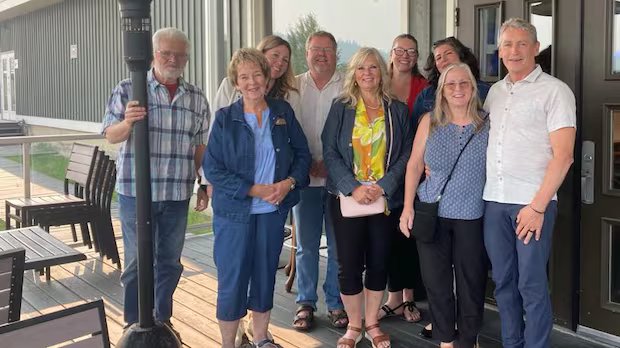

Listen to this article
Estimated 4 minutes
The audio version of this article is generated by AI-based technology. Mispronunciations can occur. We are working with our partners to continually review and improve the results.
The community of Quesnel in northern B.C. is pulling out all the stops to attract U.S.-trained physicians and solve previously long waits for family doctors.
A health-care recruiter in the community of around 10,000 people says the city’s so-called “red carpet” approach is working — with at least four doctors committed to work there by the end of the summer.
Quesnel’s push to attract American-educated physicians comes amid a wider push by the B.C. government to do so, especially in a bid to alleviate health-care shortages in rural communities.
That was a move precipitated by many health-care professionals seeking to move north of the border amid concerns over health-care decisions made by U.S. President Donald Trump.

Samantha Mtatiro, the health-care recruitment co-ordinator for the City of Quesnel, says the city was leading from the front in this regard, even before the B.C. government’s push, with her position being created 12 years ago.
“For me, in … the last year, it’s just it’s been pretty go, go, go,” she said.
“We’ve had a lot of interest in Quesnel, and we’ve been settling lots of physicians and health-care professionals and it’s been great for our little community.”

The province has announced plans to attract more U.S. physicians and nurses concerned with the current path of U.S. governance. As Chad Pawson reports, it involves a marketing campaign and streamlined certification.
Northern Health says two U.S.-trained physicians — a family physician and an emergency medicine specialist — have decided to move to the community in the last year, with two more joining later this summer.
Mtatiro credits the success to the city’s so-called “red carpet visits,” in which she sells her hometown to potential recruits — usually with the aid of a luncheon attended by the city’s mayor and other local officials and other activities.

“We want to show them what it’s going to be like to live here. It’s very, like, curated to their interest,” she said.
“So if they’re into mountain biking, we’re going to take them mountain biking. If they’re into fishing, maybe we’re taking them fishing.”
Mtatiro says she’s passionate about showing off her hometown, which many potential recruits simply think of as a rural community.
“Even like our [permanent residency] candidates that are coming from places like overseas, they’re shocked to see how many amenities we have, how many restaurants we have, like our labs,” she said.
“I think a lot of people like fall in love with our little downtown core and just the charm. And so that’s, I think like, attributed to why we’ve been so successful.”
The recruiter says the addition of U.S.-trained physicians would help alleviate a previously long waitlist for family physicians in Quesnel.

A year-long recruitment drive in British Columbia has resulted in more than 400 doctors and nurses relocating from the U.S. to work in Canada and it’s a model other provinces are following in hopes of having similar success.
Northern Health officials say two part-time physicians have also been added in Quesnel over the last year, and three family physicians working towards getting licensed in B.C. have also moved there.
“Three more candidates are expected in the coming months with several more currently moving through the recruitment process,” the authority said.
In March, the B.C. government said it had hired more than 400 U.S.-trained health-care workers over a one-year span.
The numbers from B.C.’s Ministry of Health show 89 doctors, 42 nurse practitioners, 260 nurses and 23 allied health professionals from the U.S. accepted jobs in the province between March 2025 and January 2026.