dailynewsnblog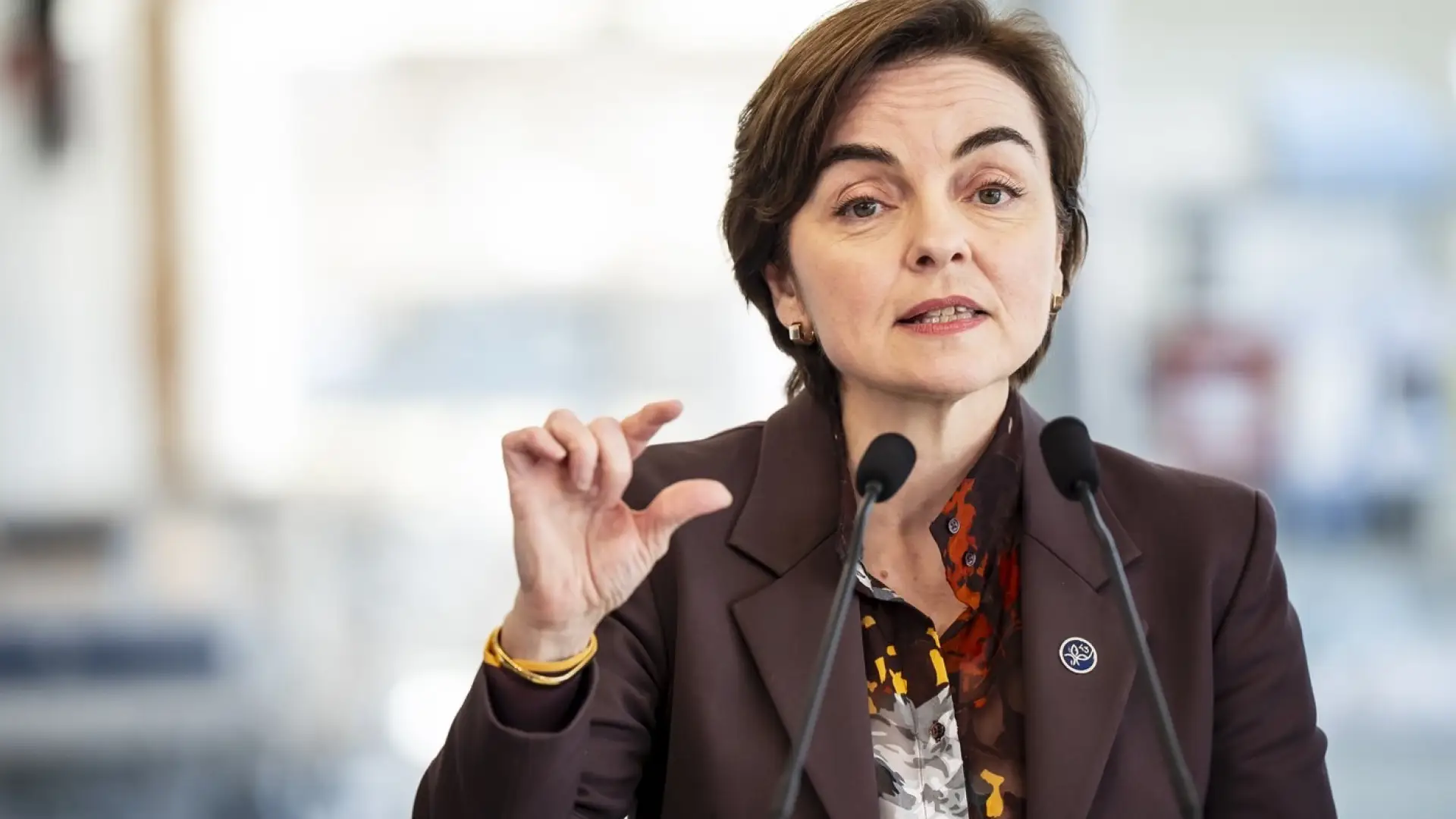
Premier Christine Fréchette tells reporters she hasn’t made up her mind on Bill Q-5, but says it will likely be tabled again in the fall.
Québec Premier Christine Fréchette says her first legislative session as leader of Coalition Avenir Québec (CAQ) was a success, pointing to 11 laws passed in an end-of-session sprint, while conceding key proposals did not make it across the finish line.
Among those is Q-5, a bill to accelerate reviews of projects deemed to be in the national interest.
The proposal mirrored Ottawa’s Bill C-5, in that the criteria guiding the designation process includes whether the project will have important economic benefits, create jobs, or contribute to the energy transition.
It also includes a five-year sunset provision.
The bill set out how, if a project obtains a national interest designation, it can receive exemptions on a suite of laws, including some environmental and species at risk regulations.
Finance Minister Eric Girard introduced the proposal last fall, arguing it was not a shortcut but an expressway for those looking to push projects forward.
Girard said the government had to shelve the proposal after amendments pushed by Québec Solidaire MNA Étienne Grandmont derailed the passing of the bill earlier this week.
He described opposition talks as a “total waste of time” and vowed to campaign on the spirit of the bill in the fall election.
Speaking to reporters Friday, Fréchette said she believes it’s not over yet for her government, and there will be other opportunities to advance legislation.
Asked what dead proposals were going to be part of her reelection campaign in the fall, Fréchette spoke about a pitch to have professional training for adults, and the controversial constitution bill.
On Q-5 specifically, she struck a much more nuanced tone.
“I have not made up my mind on Q-5 yet,” she said. “There are good chances it will be brought back in the fall.”
The Centre québécois du droit de l’environnement had been advocating against Bill Q-5, and celebrated its end-of-session derailment.
In a statement, it said the proposal would have “given large discretionary powers to the government, allowing it to bypass laws and water down reviews and consultations that are vital to the health of the public and the environment.”