dailynewsnblog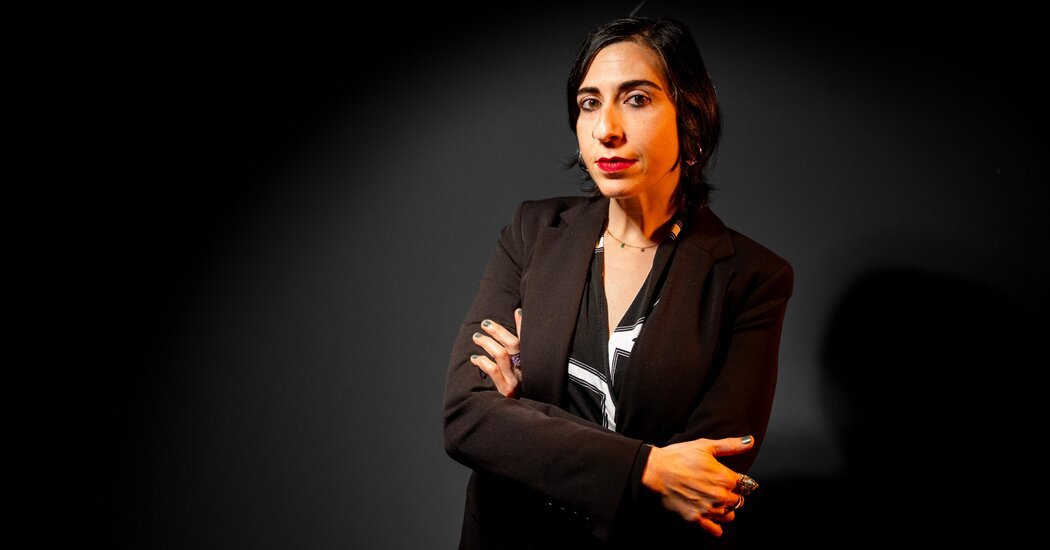
The University of Tennessee at Knoxville has agreed to pay $1.9 million to a former professor who was fired for a private Facebook post denigrating Charlie Kirk after he was assassinated, the latest in a series of legal settlements offered to employees dismissed or reprimanded after criticizing the conservative activist.
Tamar Shirinian, who was an anthropology professor at the university, sued the school and several top officials last year. She claimed that the university had violated her constitutional rights by penalizing her for comments that were made privately and protected by the First Amendment. Robb Bigelow, a Nashville-based lawyer who represented Ms. Shirinian, confirmed the settlement in an interview on Tuesday.
The settlement was approved on Monday during a meeting of the audit and compliance committee of the university’s board of trustees. Continuing the litigation would have required significant time and money — resources “better directed toward advancing the institution’s mission, vision and values,” the board chair John Compton said during the meeting.
The university’s lawyer could not immediately be reached for comment.
After Mr. Kirk was shot and killed on a Utah university campus last fall, people from a wide range of occupations — from service staff to lawyers and health care workers — were dismissed or otherwise rebuked for their comments about the activist.
The wave of repercussions raised questions about how much power employers can exercise over workers’ political expression outside of the workplace. In May, the Foundation for Individual Rights and Expression said that it was tracking 13 lawsuits in federal court from people who had been disciplined or terminated for their comments about Mr. Kirk.
Mr. Bigelow said that he hopes those cases will also succeed. “But it’s a bigger hope that people aren’t put in these situations again,” he said.
On Sept. 12, 2025, two days after Mr. Kirk was killed, Ms. Shirinian responded to a friend’s post on Facebook, calling the activist a “disgusting psychopath” and mentioning his wife and children. “The world is better off without him in it,” she wrote.
Representative Tim Burchett, Republican of Tennessee — who had already called for the termination of all employees working in public education who had criticized Mr. Kirk — was tagged in a social media post with a screenshot of Ms. Shirinian’s comments.
“On it,” Mr. Burchett wrote in response.
The University of Tennessee at Knoxville placed Ms. Shirinian on administrative leave days later, according to court documents. She was fired in February, after she had deleted her Facebook comment, apologized for her words and met with university representatives, Mr. Bigelow said.
Ms. Shirinian, who had been teaching at the university for five years, was just months from earning tenure — a lifelong pursuit, Mr. Bigelow said.
While the First Amendment protects most political expression, the Supreme Court has established that public institutions have some power to limit employees’ speech on matters of public concern if those comments hinder the institution’s capacity to function.
Still, employees disciplined or discharged for negative comments about Mr. Kirk have won large payouts from their former employers.
These cases include Ball State University in Indiana, which in May agreed to pay $225,000 to a former administrator fired for a Facebook post criticizing Mr. Kirk. The administrator, Suzanne Swierc, was one of many Americans targeted as Mr. Kirk’s supporters, including Vice President JD Vance, sought to expose and retaliate against those who had criticized the activist.
“We just don’t tolerate the government putting its thumb on the scales and punishing people for speaking out on the issues of the day,” Tyler Coward, an attorney with the Foundation for Individual Rights and Expression, said on Tuesday.
Ms. Shirinian’s settlement — which Mr. Coward described as a “striking amount” — still needs the approval of several state officials, including the governor. That is a routine step in cases like these, according to Mr. Bigelow.
After losing her job, facing death threats and spending months battling a university she was once “proud to work at,” Ms. Shirinian is ready to move on, Mr. Bigelow said.