dailynewsnblog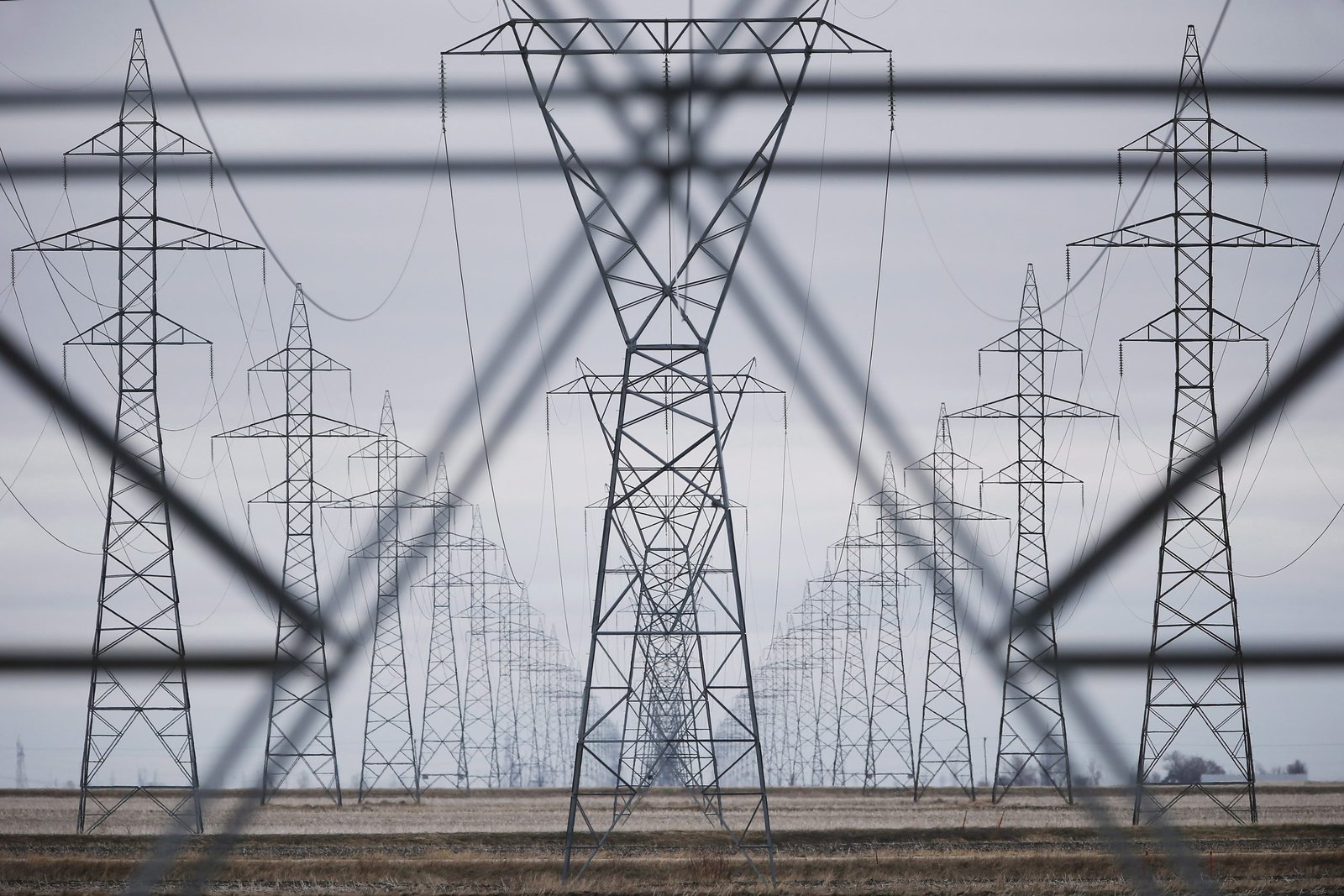
Industry sources blamed the delay on ongoing negotiations between Alberta and the federal government on their memorandum of understanding reached last fall.
Back in January, Energy Minister Tim Hodgson promised Canada’s new electricity strategy would be released in the “coming weeks.”
There was relative silence on the file until Prime Minister Mark Carney said in late March his government would publish the strategy the following week.
But that deadline has come and gone, and the Liberals still haven’t gone public with their plans for the sector, including how Canada will double generation by 2050.
Industry sources blamed the delay on ongoing negotiations between Alberta and the federal government on their memorandum of understanding reached last fall. A key part of that deal was suspending the implementation of clean electricity regulations in the province until an agreement on industrial carbon pricing is reached.
The clean electricity regulations, which are slated to go into effect in 2035, set a goal of moving Canada to a net-zero grid by 2050.
One industry source said it “would not be in the federal government’s interest to release the electricity strategy while the MOU negotiations are still ongoing.”
Bryan Detchou, senior director of natural resources, environment and sustainability with the Canadian Chamber of Commerce, said he wasn’t directly told that the MOU negotiations were delaying the release, but it was clear that it was the main factor.
But he said he was told “there’s optimism that whatever issues there are will be ironed out within the next kind of week or two,” which would align with the timing of the spring economic statement later this month.
Michael Gullo, vice president of policy at the Business Council of Canada, wouldn’t offer up a timeline, but said in a statement the “electricity strategy provides an opportunity to reset electricity policy in Canada and position the federal government as an important partner and facilitator of projects that create new capacity in conferences and territories.”
He added that cheap electricity has “long been a strategic advantage for Canada and can serve as a calling card for investment in the decades to come.”
One source who works for a major energy producer said they were told by Ottawa the strategy was receiving “final touches” and is currently sitting with the energy minister’s team and the Prime Minister’s Office.
Another source told iPolitics that it was expected to come out next week, but various timelines offered by the government have come and gone.
iPolitics is granting the sources anonymity because they’re not authorized to speak publicly on the matter.
READ MORE: Feds in talks with provinces as Ottawa prepares new national electricity strategy
At a first ministers’ meeting in January, Carney called for collaboration between Ottawa and the provinces on “doubling the size of our grid, lowering costs for Canadians and Canadian business, and extending our energy advantage in the world.”
A statement after the meeting from the PMO said the first ministers agreed “actively work to build and modernize electricity systems to make them more sustainable, affordable, and interconnected, for Canadians in all regions — including in the North, the Arctic and in remote Indigenous communities.”
It added that the federal government and the premiers “agreed to work together toward a practical approach that respects each government’s jurisdiction, to substantially increase affordable electricity supply while pursuing a net zero electricity grid by 2050.”
The strategy comes at a pivotal time for Canada, with demand for power expected to double or triple by 2050.
Carney’s push to accelerate development of major projects from port expansions to new mines could intensify that demand, especially as proponents for power-hungry data centres make their case to build in Canada.
But looming over everything is the clean electricity regulations.
They would require most fossil-fuel powered generating sources that connect to large grids to gradually meet an annual emissions limit of 100 tonnes per GwH, with 35 tonnes per GWh available in offset room, depending on the type of unit.
There’s also additional flexibilities to allow emissions above the limit to ensure that power is available when it’s needed the most, and newer units currently running will be able to run for 25 years after they come online at full capacity.
Industry has consistently lined up against the clean electricity regulations, arguing they will drive up cost and threaten grid reliability.
A major sticking point appears to be the use of natural gas, which is seen as more reliable than clean sources like wind and solar that are weather dependent.
Generally speaking, Canada’s grid is overwhelmingly clean — and getting greener, with emissions dropping by over 50 per cent since 2005, according to Electricity Canada.
But that’s not the case for every province.
In Alberta, some 80 per cent of its power comes from non-renewable sources, mostly natural gas with coal phased out in 2024. Wind capacity has increased substantially in the past decade.
It’s a similar breakdown in Saskatchewan, which still has coal power but that’s been displaced by natural gas as the main energy source.
When asked, Hodgson’s office refused to commit to the 2050 clean grid target, but said the electricity strategy will “harness clean energy, decarbonize other sectors, reduce emissions, drive growth, and improve affordability.”
The minister’s office noted that Canadian electricity is over overwhelmingly clean — over 80 per cent coming from non-emitting sources and emissions from the sector down 30 per cent over the last decade — and said the “next step is using clean power to decarbonize transport, buildings, and heavy industry, sectors accounting for nearly half of Canada’s emissions, while supporting green production.”
“To achieve this, electricity generation must more than double by 2050, powered by the cleanest, most reliable sources and a more integrated east-west grid for efficiency, resilience, and affordability,” the office said, adding that it will be a “critical part of the government’s climate strategy.”
The minister’s office also refused to comment on what was delaying the release of the electricity strategy, though it’s hardly the first time this has happened under Carney’s watch.
The Liberals said the defence industrialization strategy would come before Christmas last year, but wasn’t released until earlier this year.
Welcome back to Adjournment Proceedings, our weekly long read series. We publish a new edition every Friday. In this week’s edition, we look at what’s delaying the release of the promised national electricity strategy.
Missed a week? Take a look through our archives here.