dailynewsnblog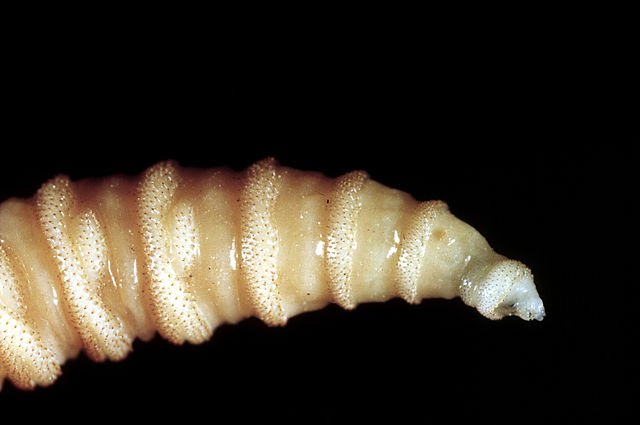
“When that false information gets out, it causes significant panic,” Rollins said Tuesday, according to the Texas Tribune. “And rightly so, especially if it’s coming from elected officials and the media.”
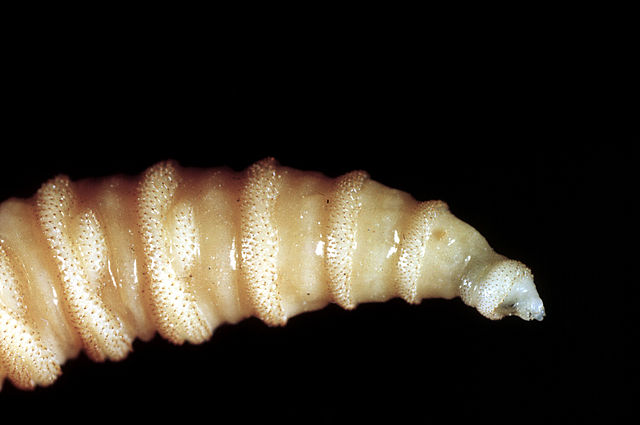
On Wednesday, Reuters reported that McLaughlin suspected the fly was now here. He said samples taken Tuesday from two calves on a ranch in La Pryor, Texas, were being tested as possible screwworm infections, including one infection on the umbilical cord wound of one of the calves. McLaughlin said he had seen images and videos of the animals and that the larvae seen in them looked like screwworm larvae.
Reuters was shown one of the photos, which it reported as showing “multiple larvae resembling the screwworm inside a bloody circular wound on an animal,” but said it “could not immediately verify the photo.”
“At this point, it’s unconfirmed that it’s the New World screwworm,” McLaughlin told the outlet. “It looks like it, but it’s unconfirmed.”
It is unclear, for now, whether the sample the USDA reported was one of the ones McLaughlin had reported. We will update this story if additional information is reported.
Screwworm comeback
Screwworms were once endemic to the US, but were eradicated in the 1960s amid a concerted effort to annihilate their population. This is done with aerial bombings of sterile male flies, which is the most effective weapon against the parasites. The mass release of dud studs elbows out fertile males, preventing them from mating with females, which generally only mate once.
With this method, called Sterile Insect Technique, the flies were eradicated not just from the US, but from all of Central America. They were declared eradicated from Panama in 2006.
Until recently, the screwworm population was kept at bay via a biological barrier along the Darién Gap at the border of Panama and Colombia. The USDA partnered with authorities in Panama to build a sterile fly production facility at the gap to regularly release sterile flies and hold the line. But in 2022, the barrier was breached, and the flies have been relentlessly buzzing northward since.
In response, the US has expanded surveillance and trapping efforts in Texas. It is also constructing a $750 million sterile fly production facility in South Texas. USDA says it is currently dispersing 100 million sterile insects per week in Mexico and along the US-Mexico border to prevent the flies from advancing further.