dailynewsnblog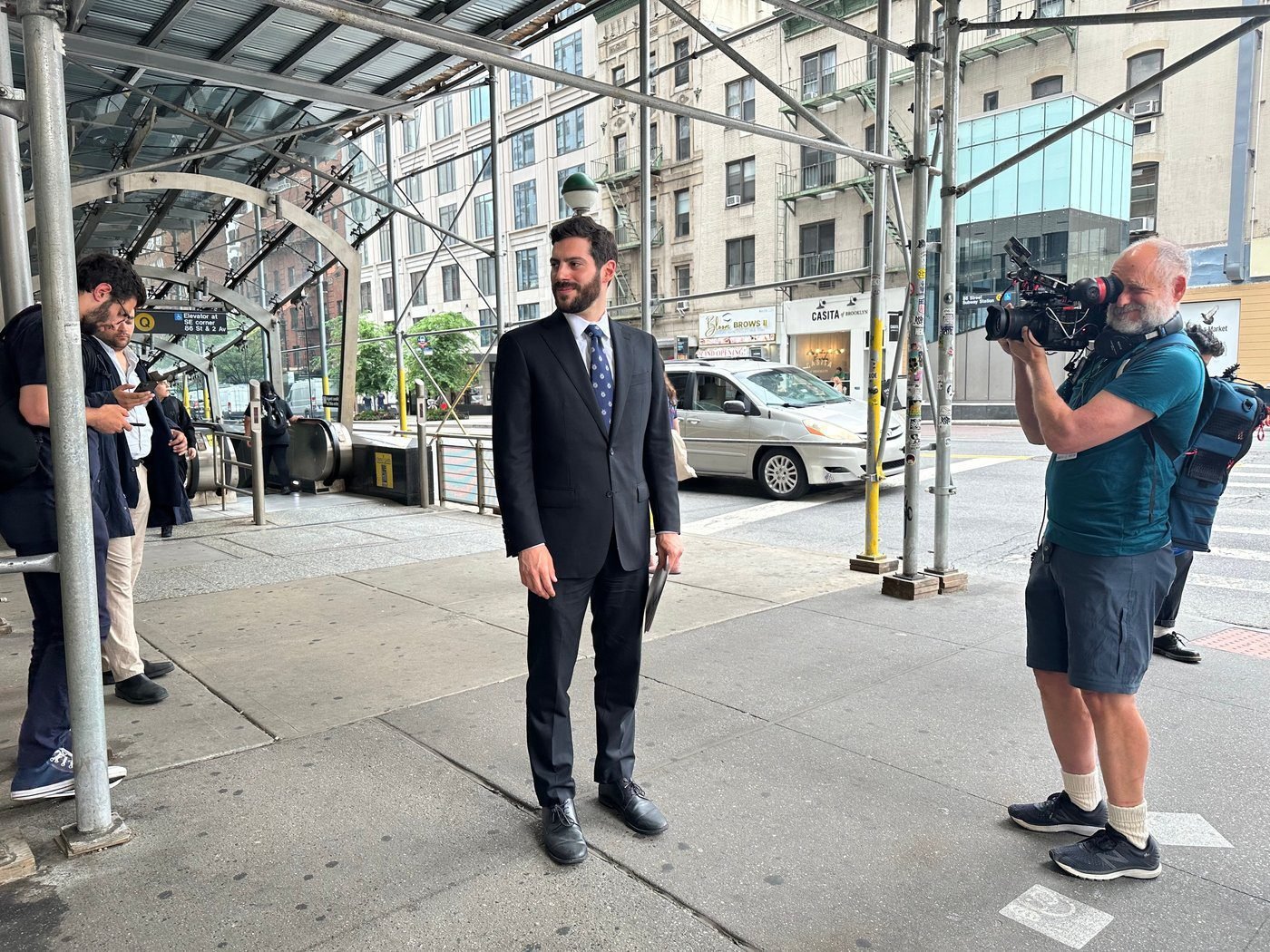
Associated Press (AP) — Polls closed Tuesday in a closely watched Democratic primary race pitting Kennedy scion and political novice Jack Schlossberg against a roster of other hopefuls — including two state lawmakers and a prominent ex-Republican — for an open congressional seat in the heart of Manhattan.
Whoever wins the hotly contested primary will be well positioned for the November general election to succeed Democratic longtime Rep. Jerry Nadler, who’s retiring. Democrats make up two-thirds of the district’s registered voters.
The campaign was colorful and hotly contested, partly because of Schlossberg’s star power as the social-media-savvy grandson of the late President John F. Kennedy, but also because the race became an expensive proxy fight among artificial intelligence interests.
Schlossberg got plenty of attention in the race, as a member of a political dynasty who delivered his own “progressive and aggressive” message in dynamic and popular, if sometimes wacky, social media posts.
Supporters “don’t just like me because I’m a Kennedy,” Schlossberg told The Associated Press this spring. “They like me because of my experience, my ideas, and they trust me because they see what’s going on with their very own eyes.”
But he also faced questions about his limited professional resume and his seriousness as a candidate. The 33-year-old, who holds a joint law and business degree, worked briefly at the State Department’s environmental bureau and has written political opinion pieces for Vogue. He said that family money bought him independence from political fund-raising.
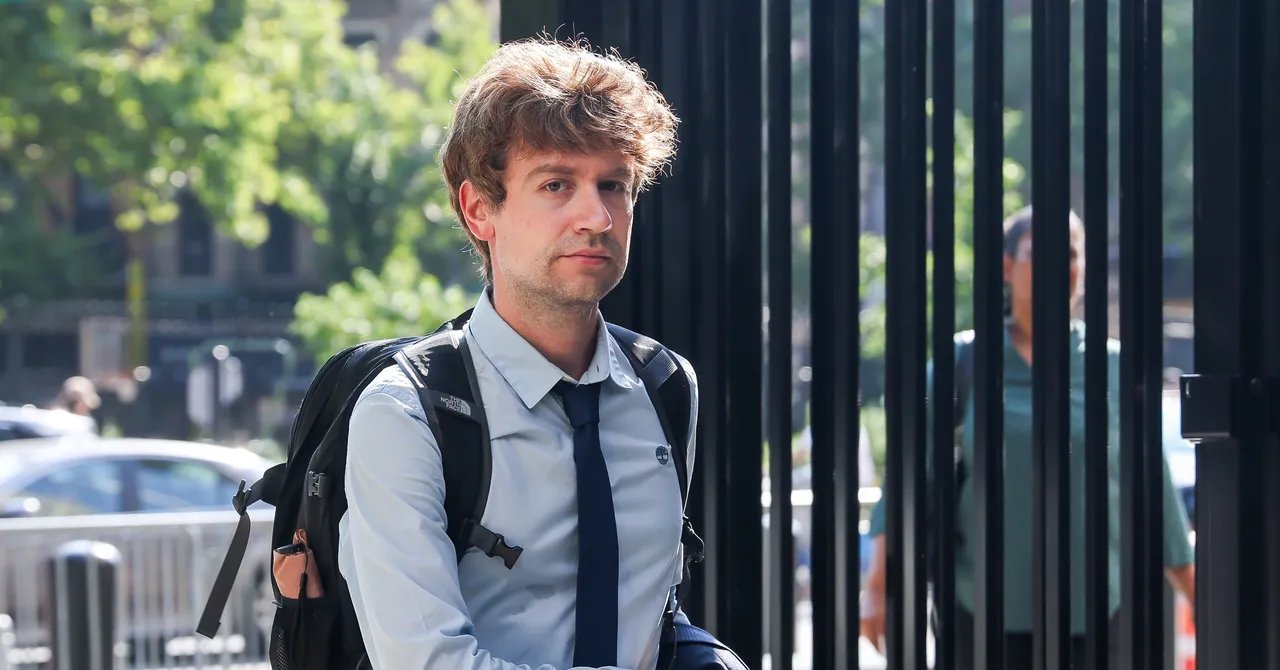
Money cascaded into the race as some tech and AI companies lined up against candidate Alex Bores, a former tech company engineer and a state Assembly member who wrote legislation that many in the industry opposed. But some other, more regulation-friendly AI heavyweights counterpunched by trying to help Bores.
Voters in the district were deluged with mailers and ads, particularly about Bores and rival Micah Lasher, a fellow Assembly member and former Nadler aide. Lasher emphasized his long experience working in government for Nadler and others. Bores positioned himself as a fresher face who stood up to powerful interests.
“The battle lines, in this race in particular, are whether we can regulate AI at all,” Bores said in a CNN interview Tuesday evening.
Besides the AI backer battle, the race featured competing endorsements from Nadler and Carolyn Maloney, the fellow Congress member whom he defeated in a 2022 primary after their once-neighboring districts were largely combined by redrawn maps. This year, Maloney endorsed Bores, while Nadler endorsed Lasher.
Candidate George Conway had his own political connections, though not necessarily ones he embraced — a former Republican, he was married to Kellyanne Conway, a former adviser to Republican President Donald Trump before distancing himself from both of them. A veteran attorney, George Conway helped create the anti-Trump organization called The Lincoln Project.
Several other candidates also vied for the nomination.
Anthony Izaguirre,Jennifer Peltz, The Associated Press