dailynewsnblog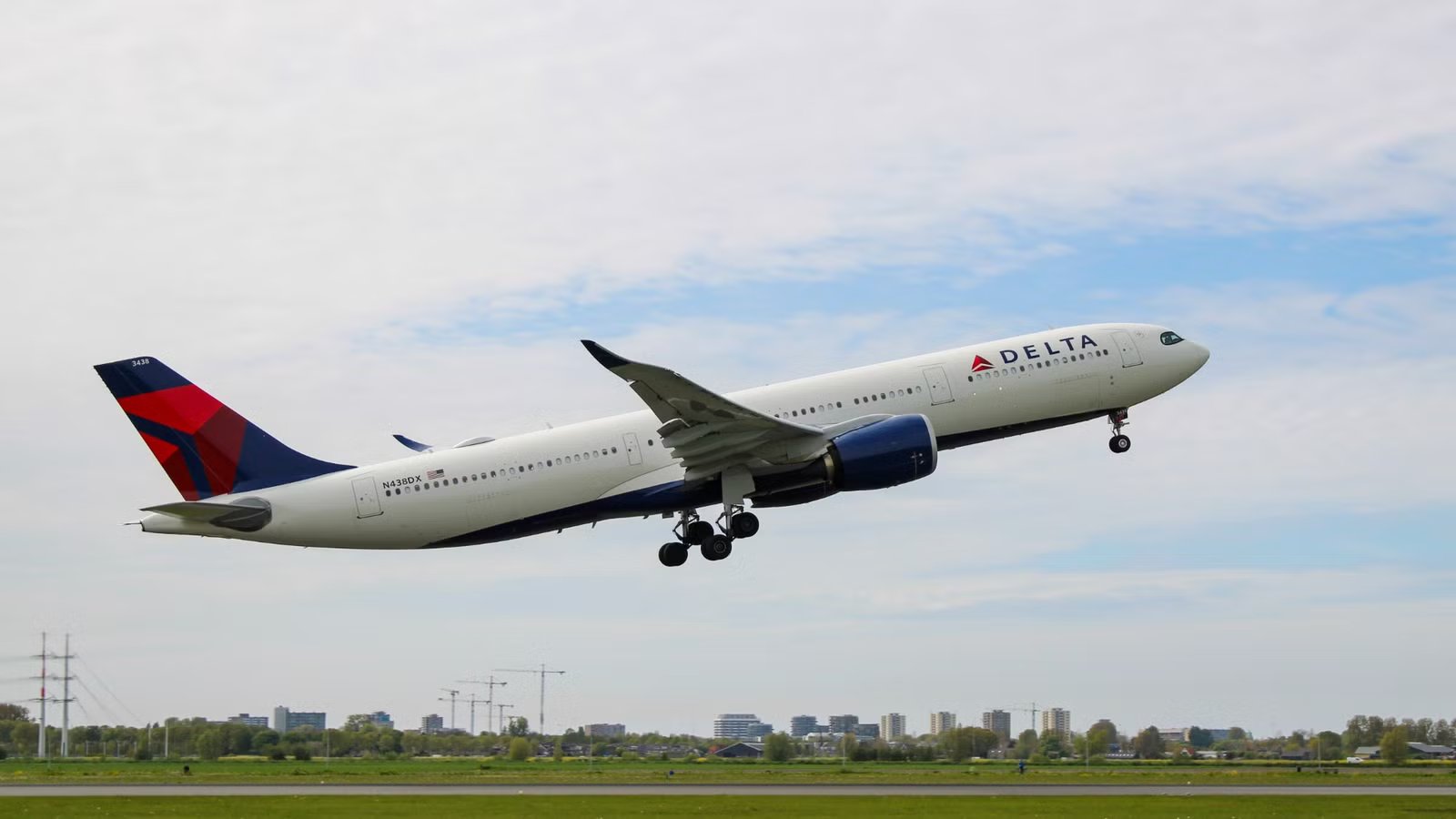
Retired  Delta Air Lines pilot Buzz Patterson shared a plea to his former carrier to install Starlink Wi-Fi in a post on X. In his statement, the former pilot and self-described ‘SkyMile aficionado’ described the Delta Sync as “bad” and Starlink as “good,” requesting the airline improve its inflight internet service for business travelers.
This comes on the heels of a press release from March 31. Delta announced that it would introduce Amazon Leo Wi-Fi to its fleet of aircraft beginning in 2028. The agreement will expand an established collaboration with AWS to improve the technology available on 500 aircraft.
A Blunt Critique From A Distinguished Aviator

Lending weight to his statement on social media is Captain Patterson’s distinguished career as both a DAL and US Air Force pilot. During his time in uniform, Patterson flew combat missions over Somalia, Bosnia, and other conflict zones. His career included serving as the presidential aide responsible for the ‘nuclear football’ during the administration of Bill Clinton. Patterson was also the operational commander for White House’s military units during that time, including Air Force One and Marine One. He is now running for Congress.
On paper, the difference between AWS Leo and Starlink appears negligible, but crucially, the new Wi-Fi has not hit the DAL fleet yet. Right now, Delta Sync is powered by traditional, legacy satellite providers like Viasat and Hughes. The current inflight Wi-Fi and entertainment experience is substantially inferior to what is coming with the introduction of Leo.
According to the Aviation Circle, the key business reasons why DAL declined Starlink service was the company did not want to implement Delta Sync as a required login portal to use the Wi-Fi. Delta CEO Ed Bastian gave these remarks in the company press release that announced the rollout of AWS Leo Wi-Fi:
“Delta’s future is global. This agreement gives us the fastest and most cost-effective technology available to better connect the world today, and it deepens our work with a global leader that shares our ambition to build what’s next.”
Starlink Takes The Skies By Storm

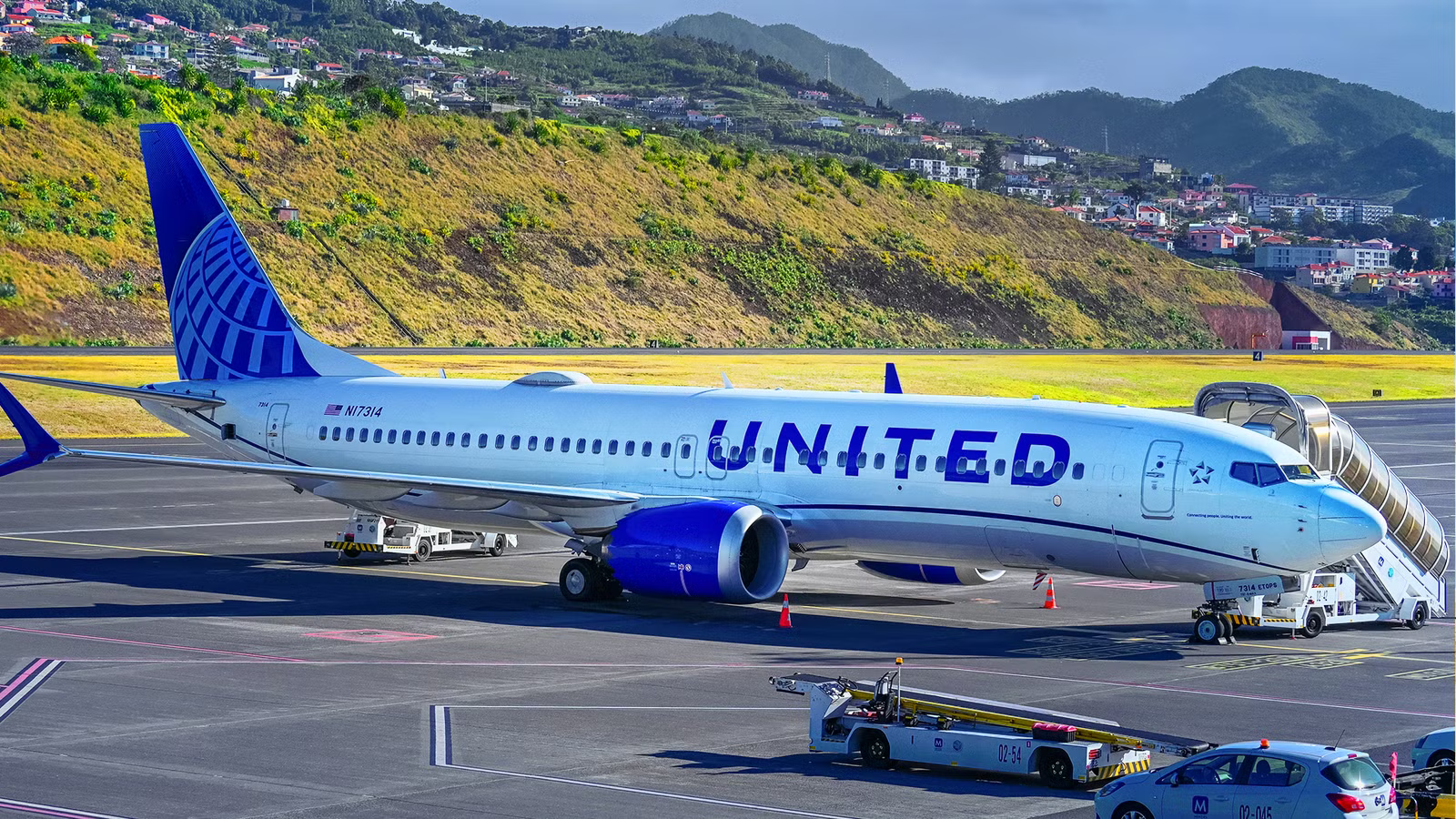
The commercial aviation industry has seen a number of large carriers moving to Starlink service. That includes the other two members of the ‘Big Three’ besides Delta: American and United Airlines. Hawaiian Airlines has made the switch for its fleet, and its new parent company, Alaska Airlines, is working on a rollout to its aircraft as well. Meanwhile, major budget carriers like Southwest Airlines and Frontier Airways have also signed on for Starlink.
Delta prioritized its brand over actual tech. The Delta Sync platform serves as a primary driver for SkyMiles loyalty program acquisitions, passenger data tracking, and high-margin advertising partnerships, notably with American Express. Starlink simply refused to support this model to integrate services into the Delta fleet.
Delta determined that relinquishing control of this digital storefront carried a greater long-term financial disadvantage than delaying its hardware upgrades. So while DAL is the only legacy carrier that will not have Starlink service, even this semi-private charter operator, JSX, is adopting the SpaceX-provided Wi-Fi.
In-Flight Wi-Fi By The Numbers

The current Delta Sync Wi-Fi service has a latency of roughly 600 milliseconds, while both Starlink and Amazon Leo are about 10 times faster, with a 90% lag reduction, down to 50 milliseconds. This is largely due to the fact that the satellites of both of the newer networks orbit at a much closer distance to Earth. The biggest difference is that the Starlink mesh network is already up and running. It is linked by inter-satellite optical lasers, ensuring uninterrupted coverage across the Pacific Ocean and other remote regions.
Delta now has to wait for Amazon’s Project Kuiper to achieve initial operational capacity that can support its fleetwide installation and begin service. Delta’s timeline is entirely dependent on Amazon meeting its satellite launch schedules over the next two years. Any delays or technical difficulties will continue to push the timeline out further. Since the technology is unproven, it is yet to be seen whether it will actually achieve comparable performance to Starlink.