dailynewsnblog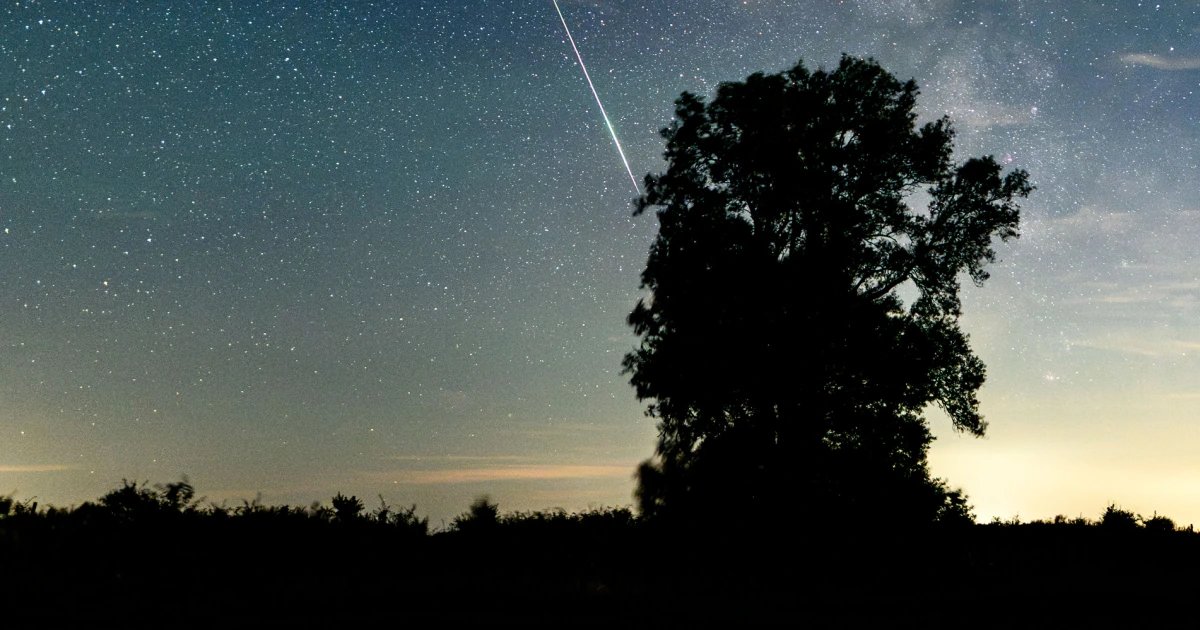
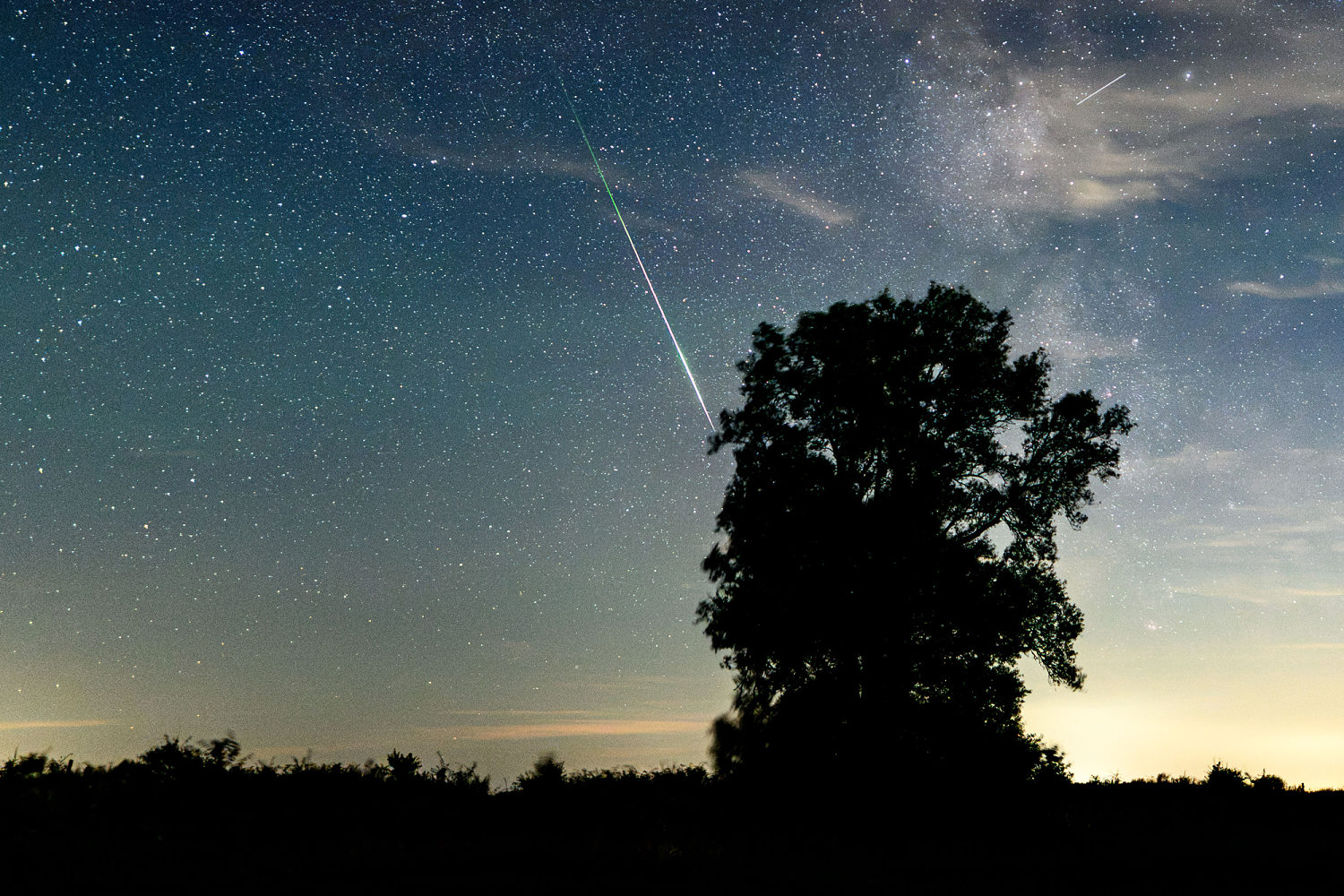
One of the year’s brightest and most popular meteor showers peaks this week, offering a chance to see shooting stars cross a particularly dark sky, thanks to the new moon.
The Perseid meteor shower has been underway since mid-July, but is expected to peak overnight from Wednesday to Thursday.
Because the moon’s illuminated side is currently facing the sun, with its night side facing Earth, bright moonlight won’t interfere with one of the most anticipated skywatching events of the summer.
The Perseids’ peak coincides fortuitously with what is perhaps the season’s most eagerly awaited celestial event: a total solar eclipse that will be visible from Spain, a small part of Portugal, Greenland, Iceland and northern Russia on Wednesday.
A total solar eclipse happens when the sun, moon and Earth align and the moon passes in front of the sun, fully obscuring its light.
In locations where the eclipse will occur around sunset, people may see Perseid meteors during totality, the minutes when the moon fully blocks the sun’s light, leaving a fiery ring and temporarily darkening the skies.
The Perseids are typically one of the most popular meteor showers of the year because of their timing during warm summer months in the Northern Hemisphere (typically from around mid-July to late August) and its high rate of shooting stars. Under ideal conditions — clear weather and dark skies — the Perseids can produce as many as 100 shooting stars per hour.
Though the highest rate comes during the shower’s peak, shooting stars should continue to be visible over the next two weeks.
The Perseid meteor shower occurs when Earth passes through a cloud of dust particles and debris left over from a comet known as 109P/Swift-Tuttle, which was discovered in 1862. The streaks of light are created as the debris hits the atmosphere. The Perseids are known to produce fireballs, which are extra bright meteors that leave behind glowing trails as they disintegrate.
To see the Perseids from the Northern Hemisphere, the best timing is in the early hours before dawn. People should choose an unobstructed location under the darkest possible skies, away from city lights and other forms of light pollution.
NASA recommends letting your eyes adjust to the darkness for 20 to 30 minutes, then to sit back, look up and patiently wait for the shooting stars.
For most places in the Southern Hemisphere, the meteor shower’s radiant — the point in the sky from which the shooting stars appear to originate — won’t rise above the horizon, making them difficult to see.
NASA plans to host a virtual watch party on YouTube beginning at 12 a.m. ET Thursday, with a stream of live views from sky cameras at Marshall Space Flight Center in Huntsville, Alabama.