dailynewsnblog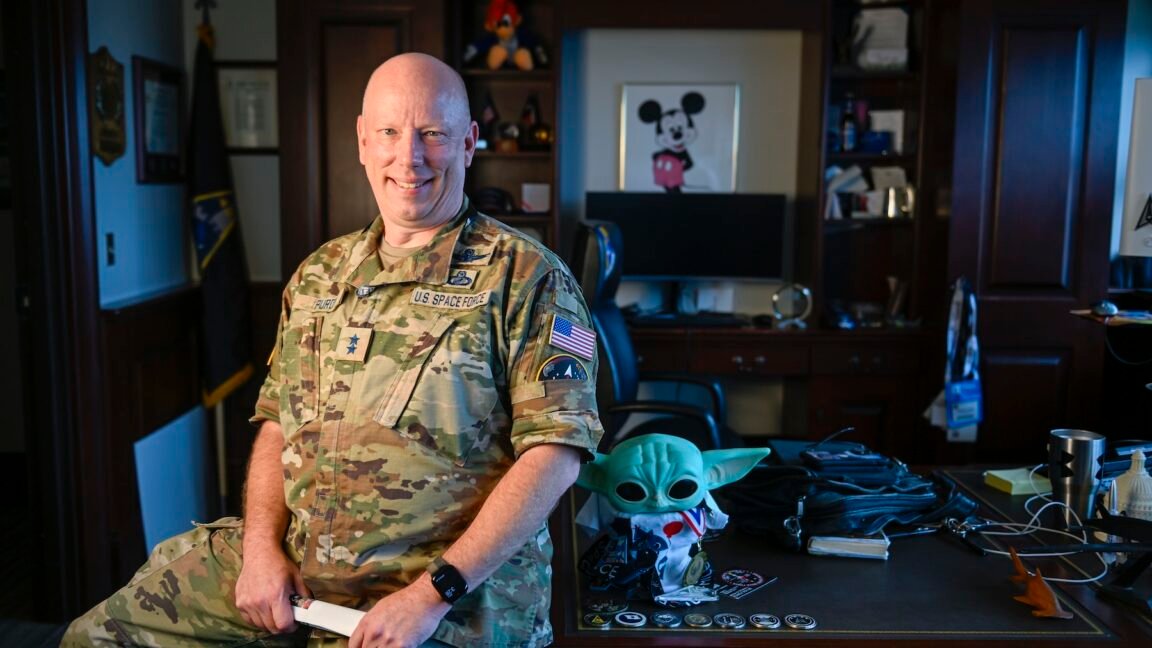
DALLAS—The Space Force officer tasked with overseeing more than $24 billion in research and development spending says the Pentagon is more interested in supporting startups building new space sensors and payloads than adding yet another rocket company to its portfolio.
The statement, made at a space finance conference in Dallas last week, was one of several points Maj. Gen. Stephen Purdy wanted to get across to a room full of investors and commercial space executives.
The other points on Purdy’s agenda were that the Space Force is more interested in high-volume production than spending money to develop the latest technologies, and that the military has, at least for now, lost one of its most important tools for supporting and diversifying the space industrial base.
The rhetoric around prioritizing payloads over launchers aligns with the Space Force’s recent history of supporting small startups. Since 2020, SpaceWERX, the Space Force’s commercial innovation program, has awarded 23 funding agreements—called Strategic Funding Increases (STRATFIs)—to commercial space startups developing new sensors, software, satellite components, spacecraft buses, and orbital transfer vehicles. SpaceWERX awarded a single STRATFI agreement to a launch company—ABL Space Systems—and that firm has since exited the space launch market.
“We’re on path for mass-produced launch,” said Purdy, the military deputy for space acquisition in the Department of the Air Force. “We have got our ranges situated so we can do mass-produced launch. We’ve got our data centers and our data structure for mass-production. We’ve got AI pieces that are mass-produced, satellite buses are nearly there, and our payloads are the last element. Payloads at mass-produced affordability, at scale, is the key element.”
Credit:
K2
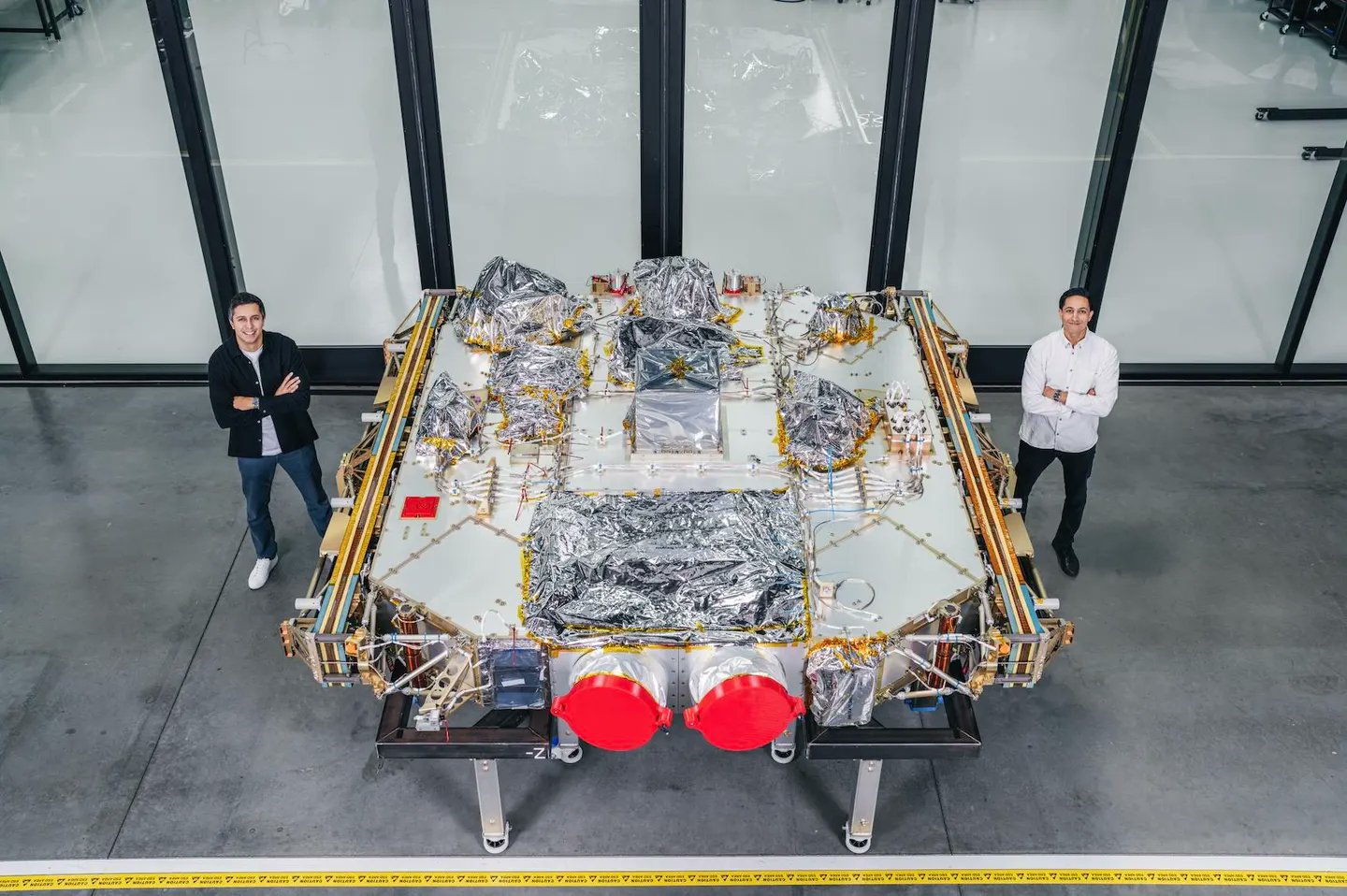
K2’s Gravitas satellite, set for launch next month, will test the company’s Hall-effect thruster, solar arrays, and other systems.
Credit:
K2
Putting the money in
Payloads, Purdy told Ars after his talk, are “the last frontier” for scaling space missions. “The point is to get missions out the door as fast as possible. Two to three years is too slow. We’ve got to get down to one week. I’m not talking about super exquisite [payloads]. That’s not most of our missions. The commercial industry, your Kuipers [Amazon LEO], your Starlinks, have sort of got the comm piece down, but we’re still struggling in a lot of other stuff.”