dailynewsnblog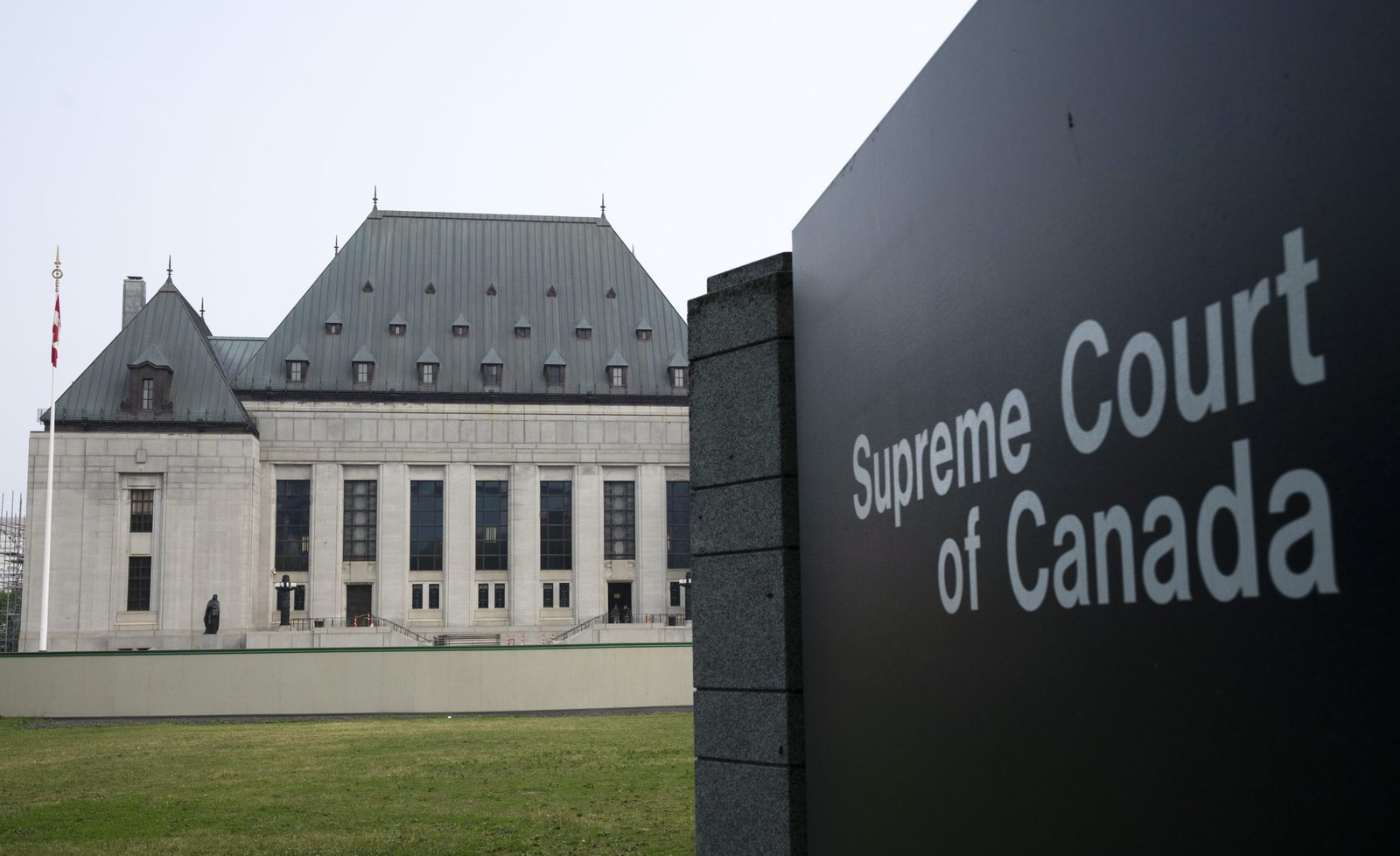
The Supreme Court ruled the Constitution guarantees the right to challenge decisions and political oversight is ‘not an adequate alternative to judicial review.’
Parliament cannot restrict the courts from reviewing decisions made by the ethics commissioner, the Supreme Court said in an unanimous ruling on Thursday.
The decision stemmed from a legal challenge launched by Democracy Watch over the commissioner’s report from 2021 concluding then-Prime Minister Justin Trudeau didn’t violate the Conflict of Interest Act when he participated in decisions that led to the awarding of government contracts to WE Charity.
The Federal Court of Appeal tossed the case because the act contains a privative clause that prevents judicial review of decisions on the basis of either fact or law. In the ruling, the court said that Parliament offered a check on the powers of the commissioner.
The Supreme Court rejected this interpretation, saying the Constitution guarantees the right to challenge decisions and political oversight is “not an adequate alternative to judicial review.”
Writing for the court, Chief Justice Richard Wagner said while Parliament assigned oversight of the act to the federal courts, it couldn’t then impose limits that “circumvent the constitutional guarantee of legality, and the limits that inhere in any delegation of public powers.”
He said the lower court incorrectly applied an earlier Supreme Court decision that upheld a law barring the auditor general from going to the courts to require the government to provide information. That decision concluded Parliament was an appropriate appeals channel because it could act on a report from the auditor general and force the government to hand over the documents.
Wagner said Democracy Watch had no similar alternative because it was a private organization and the act explicitly states that all decisions from the commissioner are final.
“Even if Democracy Watch could bring its concerns before Parliament, it is hard to see what political remedy Democracy Watch could expect, since the report itself, if valid, cannot be altered,” he wrote.
The Supreme Court had already ruled that using privative clauses couldn’t stop the courts from reviewing decisions on jurisdictional grounds.
Thursday’s decision didn’t consider Democracy Watch’s arguments on the merits of the commissioner’s findings in the so-called WE Charity scandal.
The ruling only ordered the Federal Court to hear the watchdog group’s case.
Duff Conacher, Democracy Watch’s co-founder and former University of Ottawa law professor, said the court’s ruling clarified that decisions by the commissioner and all administrative bodies in Canada can be challenged in the courts.
He called the ruling a “great victory for access to justice across the country that will help ensure that all administrative law entities uphold and enforce the law properly.”
Democracy Watch is known for frequently challenging decisions made by the ethics and lobbying commissioners, as well as the appointment process for these roles. The prime minister has the power to appoint both commissioners, though must do so after consulting with all parties in the House of Commons.