dailynewsnblog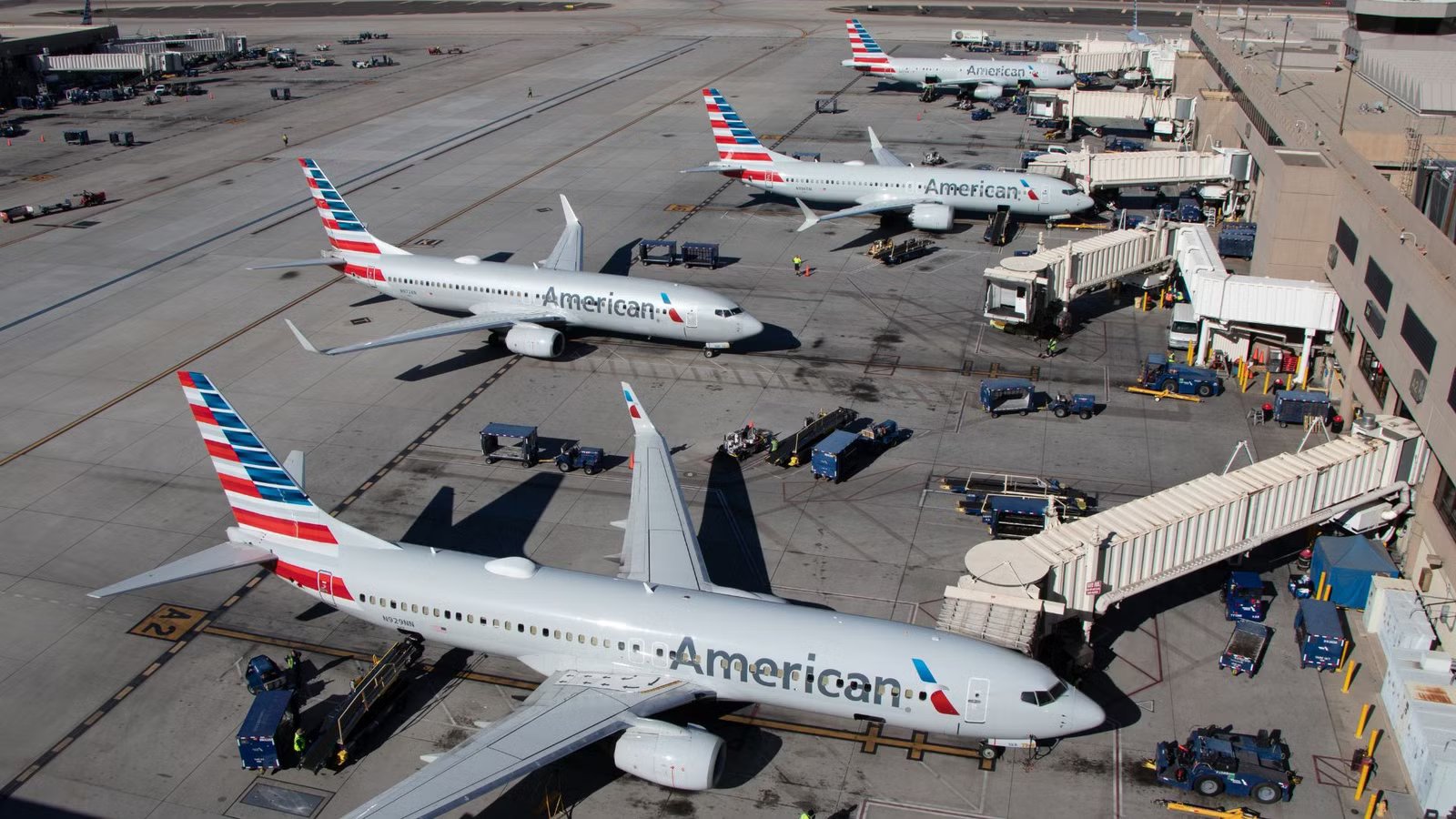
 American Airlines is facing backlash again after a passenger claimed they were involuntarily downgraded from a first-class seat to a seat in Row 13. The incident, which gained attention via a post on X, reportedly occurred on a recent flight within the airline’s network, although the author of the post didn’t provide any additional details on route or aircraft type. The passenger alleges they paid for a premium cabin experience but were reassigned due to a change of aircraft. The situation has reignited broader criticism over airline seat reassignment policies and customer service practices.
Involuntary downgrades, while relatively uncommon, can happen due to aircraft changes, operational constraints, or overbooking in premium cabins. However, such incidents often trigger strong reactions when compensation or communication is perceived as insufficient. Social media has amplified passenger complaints, placing airlines under increasing scrutiny for how they handle disruptions. This case highlights ongoing tensions between airline operations and customer expectations in premium travel.
First-Class Passenger Reassigned To Economy Seat Sparks Backlash

The passenger’s complaint centers on being reassigned from a first-class seat to Row 13, typically located in the main economy cabin, although that does depend on aircraft type and cabin configuration. According to the post, the downgrade occurred without prior notice or a clear justification from airline staff. The passenger also suggested that compensation or rebooking options were not adequately offered at the time of the change. The post quickly gained traction, prompting widespread discussion about airline accountability.
Incidents like this can have reputational consequences for airlines, especially when they involve premium-paying customers. Aviation consumer rights typically require airlines to provide refunds or compensation when a downgrade occurs, though enforcement and policies vary by jurisdiction. The lack of clear communication is often a key driver of passenger dissatisfaction in such cases. As a result, the situation has reignited debate about transparency and customer service standards in the industry. In the post, the traveler said:
“I paid for a 1st class seat and you just moved me to a center seat in row 13 because you downsized your plane. Thanks for your terrible customer service!!!”
Airline Downgrade Policy Under Scrutiny After Viral Complaint

Thomas Beam, Simple Flying
Airlines occasionally reassign seats due to aircraft swaps, which can reduce the number of premium seats available. In such scenarios, passengers may be downgraded based on fare class, loyalty status, or booking timing. While policies exist to address these situations, execution can vary significantly between airlines and individual cases. The growing visibility of such incidents online increases pressure on carriers to standardize responses.
Premium cabins represent a key revenue stream for full-service airlines, making customer satisfaction in these sections particularly critical. Frequent flyers and high-paying customers often expect consistent service and proactive handling of disruptions. When expectations are not met, it can impact brand loyalty and future booking decisions. This case underscores the delicate balance airlines must maintain between operational flexibility and customer trust.
Regulatory frameworks differ globally, but many regions require partial refunds for involuntary downgrades. In the United States, the Department of Transportation mandates compensation equivalent to the fare difference, though additional goodwill gestures are often left to the airline’s discretion. This can lead to inconsistent passenger experiences depending on how individual cases are handled.
Customer Service Concerns Highlighted In Seating Dispute

Social media platforms have increasingly become a channel for passengers to air grievances and seek resolution. Viral posts can prompt rapid responses from airlines, sometimes leading to quicker resolutions than traditional customer service channels. In this case, the widespread attention may influence how the airline addresses the complaint publicly. It also serves as a reminder of the reputational risks tied to customer experience failures.
Historically, airlines have faced similar backlash over seating issues, particularly during peak travel periods or irregular operations. As demand for air travel continues to grow, operational challenges may increase, raising the likelihood of such incidents. Airlines are investing in technology and training to better manage disruptions, but gaps remain. Future improvements may focus on clearer communication and automated compensation processes.
While the full details of this specific incident remain limited, it reflects broader industry challenges in maintaining service consistency. Passenger expectations, especially in premium cabins, continue to rise alongside ticket prices. How airlines respond to these situations will play a significant role in shaping customer perceptions going forward.