dailynewsnblog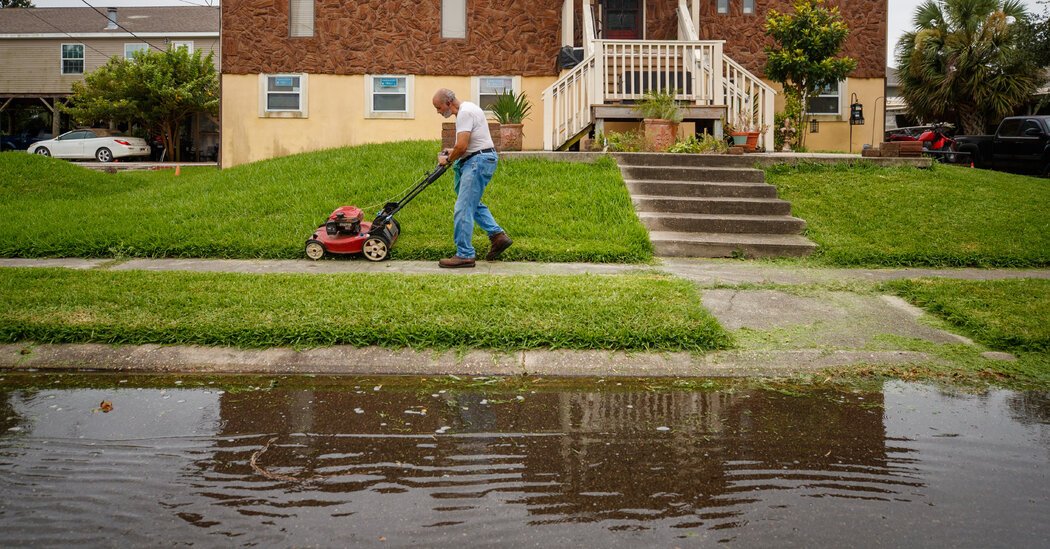
Louisiana health officials said that five residents died this year after they were sickened with Vibrio vulnificus, a flesh-eating bacteria that thrives in warm seas and brackish water.
Vibrio bacteria occur naturally in coastal waters, and people can be infected with the pathogen when an open wound comes into contact with the water or when they consume undercooked shellfish, particularly oysters. Another four people in the state were hospitalized with the infection, health officials said this week.
All nine of the cases reported in Louisiana were associated with wounds exposed to seawater, officials said.
Vibrio are more common from May through October, when seawater tends to be warmer. In recent years, however, outbreaks have occurred in places once thought to be too cold to support the bacteria, such as Long Island Sound, in part due to climate change.
Researchers from the U.S. Department of Agriculture and the Environmental Protection Agency have estimated that U.S. cases of Vibrio infections could increase by 50 percent by 2090 compared with 1995 because of higher sea temperatures.
About a dozen different Vibrio species can cause a human illness called vibriosis, with Vibrio vulnificus being one of the most common, according to the Centers for Disease Control and Prevention. The C.D.C. estimates that 80,000 cases of vibriosis happen every year in the United States.
About one in five people who contract Vibrio vulnificus die, sometimes within a day or two of becoming ill, the C.D.C. said. Symptoms of an infection include diarrhea, stomach cramps, nausea, vomiting and fever. If the infection moves into the bloodstream, it can also cause low blood pressure and blistering skin lesions.
In Louisiana, all the patients had underlying health conditions, which can increase the risk of severe infections or complications.
Other states have also reported Vibrio vulnificus this year. In Florida, two people have died from the pathogen, one in Marion County in Central Florida and one in Palm Beach, according to the Florida Department of Health. In total, 14 people in the state have been sickened by it, the department reported. And in April, researchers in New York said they had detected Vibrio vulnificus in several bodies of water off the coast of Long Island.
Florida health officials warned that risk of exposure to the bacteria increases after severe weather events, such as storms and hurricanes that push brackish water inland. In 2024, the year of Hurricane Helene and Milton, the state reported 19 deaths from Vibrio vulnificus.
Health officials in Louisiana warned the public to stay out of brackish or saltwater if they had open wounds and to wash them thoroughly with soap after possible exposure. They also encouraged people to cook seafood thoroughly and to keep cooked seafood separate from raw seafood and its juices.