dailynewsnblog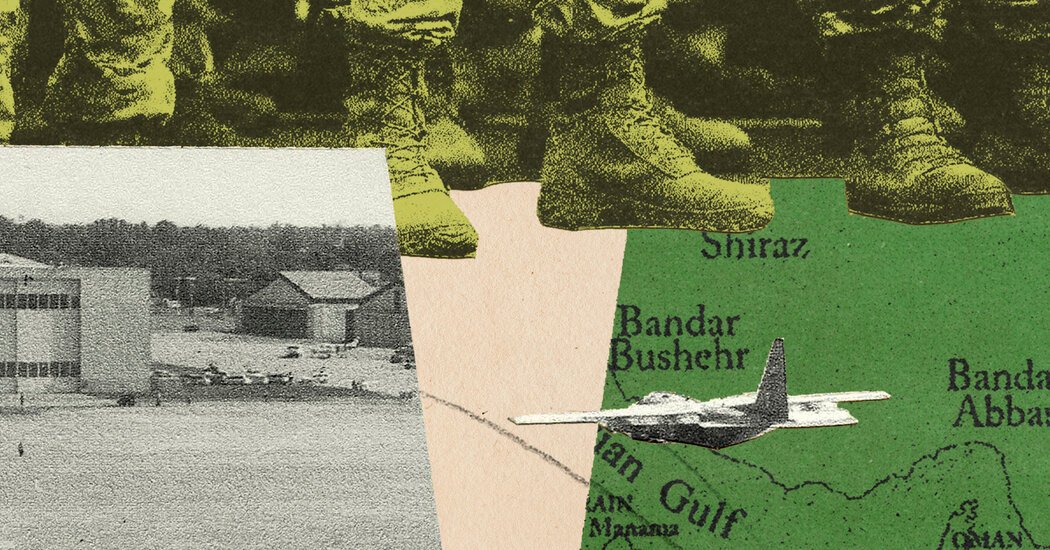
The British bureaucrats who began this process in the 1960s found themselves swimming in uncertainty. Institutions that had sustained the empire took on new roles that, “crudely put, sometimes made them feel better about themselves,” as the historian Sarah Stockwell puts it. Their country’s demise unfolded over decades and was accompanied by the declining value of the British sterling, the shuttering of airfields and the return of soldiers and administrators stationed abroad. A host of new nations emerged from imperial control and asserted their sovereignty on the international stage.
The Suez crisis of 1956 is often framed as the death knell of British power. That year, Egypt seized the Suez Canal from Britain, prompting the British, French and Israelis to invade. But Britain could not afford to sustain its military operation; the United States pressured the three powers to withdraw from the canal less than a year later, and London soon pulled back a majority of its forces from the Middle East.
Perhaps the Iran war represents something similar: a moment of truth heralding a period of prolonged decline. The former deputy secretary of state Wendy Sherman and others have argued that this conflict is best understood as a form of “superpower suicide” — a deliberate act of self-destruction that has further isolated the United States from its allies, depleted its military stockpile and empowered its adversaries.
In this interpretation, U.S. decline is a fait accompli, unambiguous and irreversible. The truth is more complex. In Iran, the United States has plenty of capability — but an absence of desire. “We are no longer seen as being willing to bear costs to advance our interests,” says Richard Nephew, who served as deputy special envoy for Iran during the Biden administration. Instead, the current administration has seemed desperate to end the war as quickly as possible, even at the cost of its stated objectives. And while the war may have pushed Washington further toward imperial atrophy, plenty of muscle remains.
The United States will remain in the Gulf for the foreseeable future, but nations there may seek other ways to defend themselves. “If you’re in the Gulf right now, you’re not going to run to the Chinese or the Russians, because they aren’t going to get you better security,” Nephew says, “but you will start to hedge your bets.” Iranian forces targeted civilian infrastructure (airports, apartment buildings, hotels, desalination plants) near bases in the United Arab Emirates, Qatar, Bahrain and Kuwait. U.S. defenses repelled most of those attacks, and American protection is likely to have limited Iranian encroachments on some of these tiny nations — a reality that persists even after this war. But those countries absorbed enough damage to elicit a cost-benefit question in the capitals.