dailynewsnblog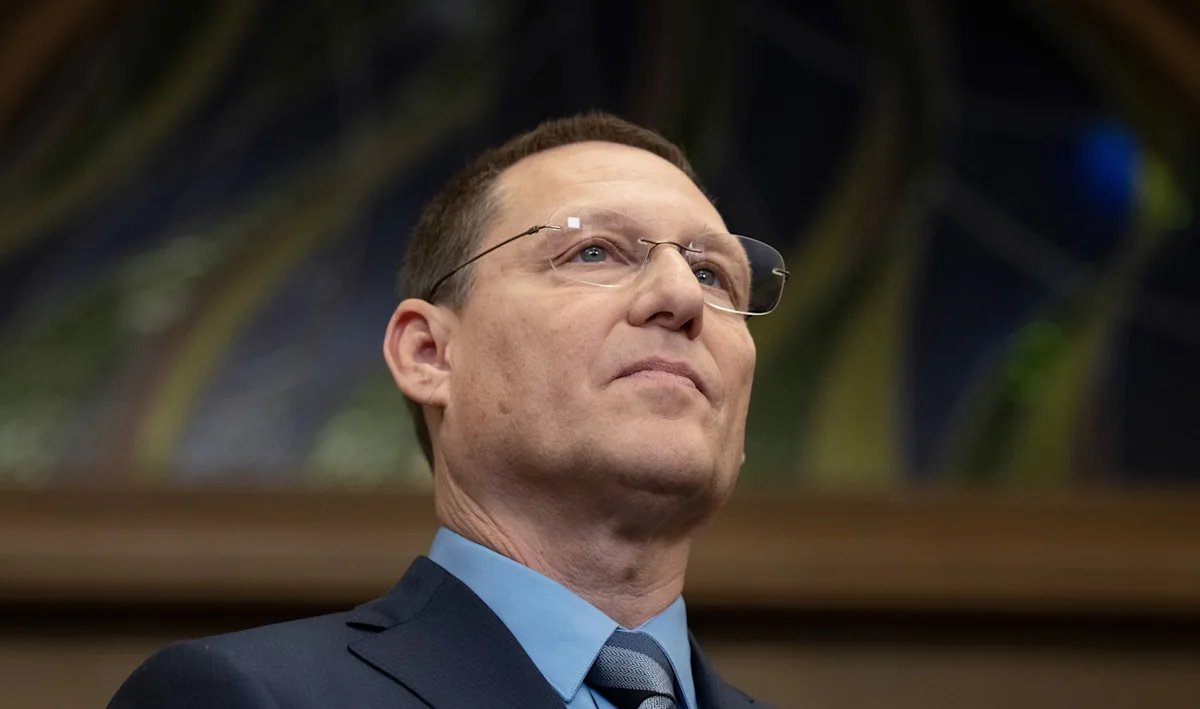

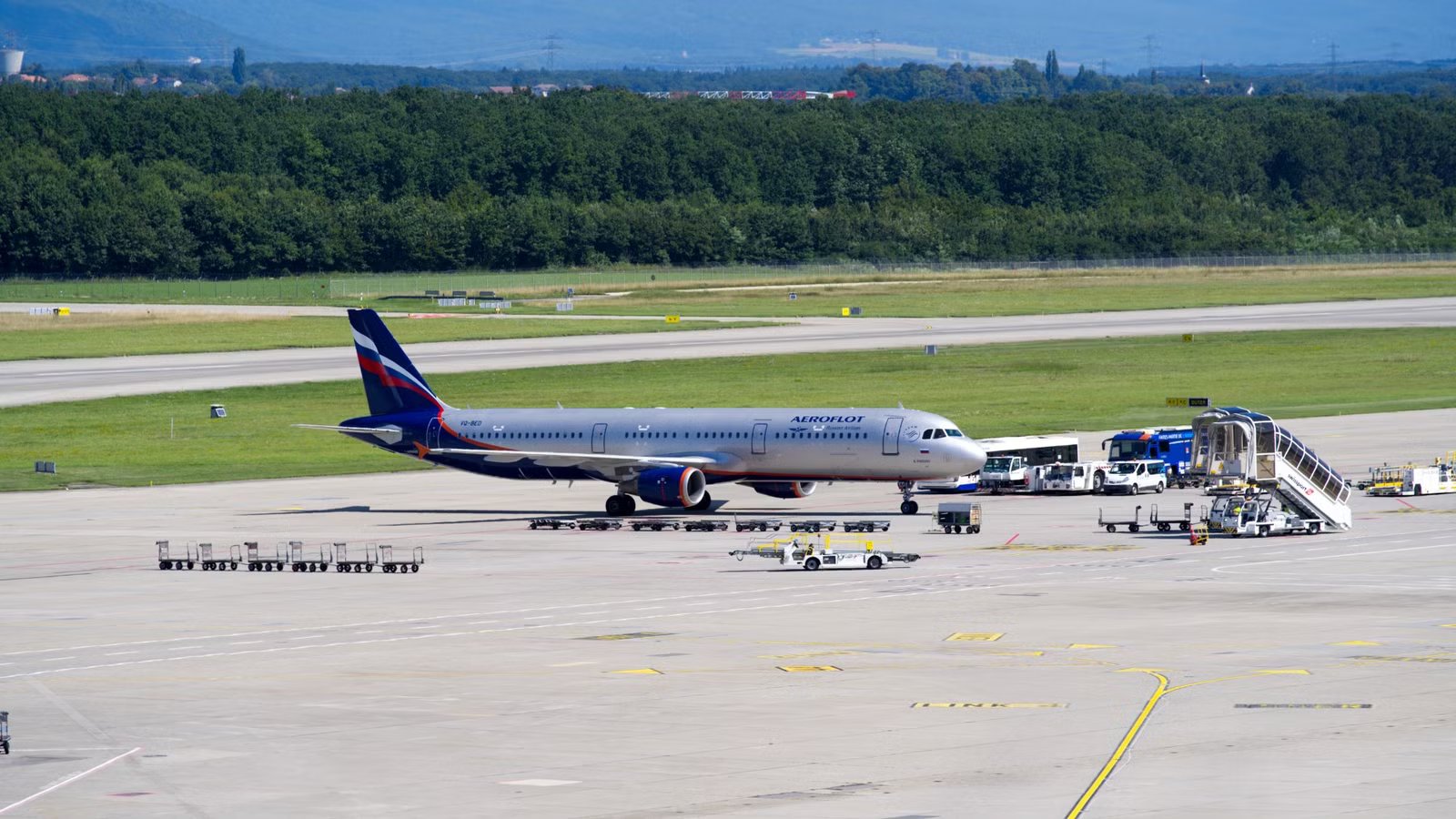
OTTAWA — NDP Leader Avi Lewis says it’s “disingenuous” for the government not to use the word privatization to describe its plan to have investors take over operations of Canada’s four biggest airports.
Prime Minister Mark Carney made the pitch at the Canada Investment Summit in Toronto on Sept. 15, arguing it would allow Ottawa to spend more on operations at smaller airports, reducing costs there.
But Lewis, flanked by his caucus and labour leaders outside the House of Commons on Tuesday, said private operations are likely to lead to higher traveller fees at airports in Toronto, Montreal, Calgary and Vancouver.
He said the government’s plan is clearly privatization because it is turning a public asset over to investor control for decades.
“Now we’ve heard the government say, ‘Don’t worry, it’s not actually privatization because the public will still own the land and the buildings.’ This is disingenuous. It’s a distinction without a difference,” Lewis said, comparing the idea to the Ontario government’s handling of Highway 407.
“The government of Ontario sold a 99-year lease for around $3 billion in 1999,” he said. “The road is worth $40 billion today and Ontario drivers have paid $25 billion in tolls over the intervening years, and there are still 72 years left in the lease. It makes absolutely no difference that the land is owned publicly.”
Tammy Moore, Unifor’s aviation council chair and an Air Canada worker out of Saint John, N.B., said union members are afraid private operators will increase precarious contract employment at airports. She said many airport workers, such as baggage handlers, work as subcontractors and their jobs are made vulnerable if an airport changes service providers.
“After all, profits do not appear out of thin air. In the case of airport privatization abroad, private investors squeeze through staffing cuts and fee increases for travellers and airlines,” Moore said.
“The investor doesn’t pay. You do and the workers do.”
The federal government maintains it will still own the land and the airports would still be subject to the same safety regulations.
NDP transport critic Heather McPherson said the government already makes $525 million annually from airports and could put that money back into regional hubs.
She called for an emergency debate in the House of Commons on Monday but was voted down.
This report by The Canadian Press was first published Sept. 22, 2026.
David Baxter, The Canadian Press