dailynewsnblog
The federal government plans to release a follow-up to its May electricity strategy by the end of the year.
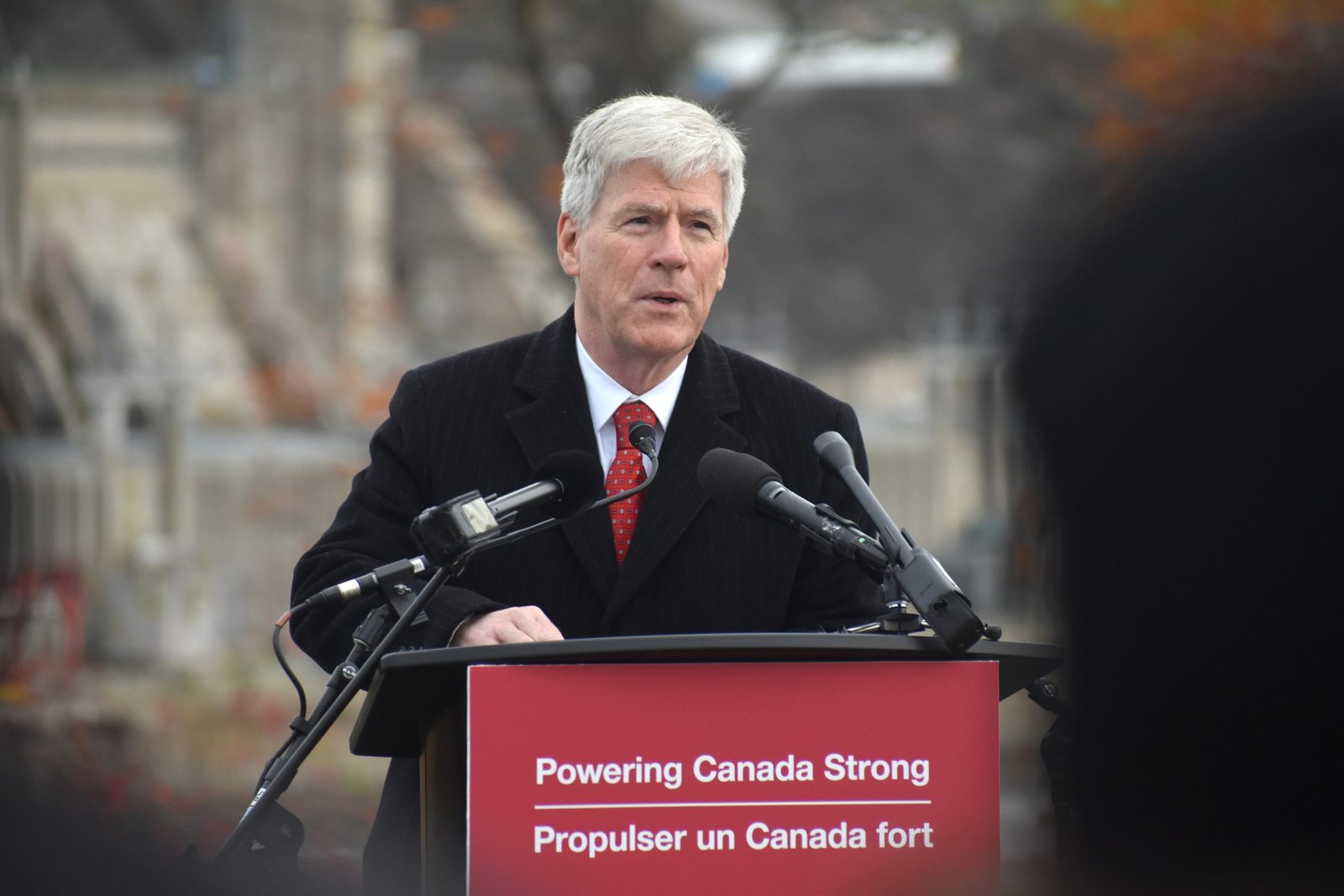
Federal Energy Minister Tim Hodgson says the government is putting the finishing touches on its “final” electricity strategy, due to be released later this fall.
The strategy follows up on the first phase, released in May, which included a proposal to amend the Clean Electricity Regulations and identified natural gas as an ongoing source of baseload and peaking power.
“For the last several months, we’ve been consulting with provinces and territories, Indigenous peoples, utilities and industry in general on what that strategy should look like,” Hodgson said Thursday during a funding announcement for Wind West in Nova Scotia.
In an email to iPolitics, a spokesperson for the minister confirmed the strategy is not a separate one but a follow-up to a commitment to consult and return with what is like a “chapter two” of the May strategy.
“We intend to follow through on that commitment and will do so by the end of the year,” wrote Carolyn Svonkin, Hodgson’s director of communications.
During consultations, the federal government sought feedback on how to improve federal-provincial-territorial support for doubling electricity infrastructure. One idea under consideration is a role for the Canada Energy Regulator in coordinating interties between regions, which could help move more power east-west instead of north-south.
Ottawa is also looking for ideas to encourage technologies that could reduce the emissions impact of natural gas.
“Chapter two” could also explain how the build-out would be financed. The May paper pointed to extending the Clean Electricity investment tax credit to certain major high-voltage transmission projects between provinces, and to developing long-term, sustainable financing mechanisms that can help protect ratepayers. Those mechanisms would cover generation, transmission, distribution and storage.
The federal government hopes to develop a standard cost allocation mechanism that would guide how to split costs among governments, proponents and ratepayers, drawing on models such as the European Union’s “Projects of Common Interest” framework.
Meanwhile, the federal Major Projects Office is working on a “Transmission InterConnect Investment Strategy” meant to identify high priority transmission projects, as well as possible financial solutions to help them move forward.
READ MORE: Carney’s new energy plan clears the way for natural gas