dailynewsnblog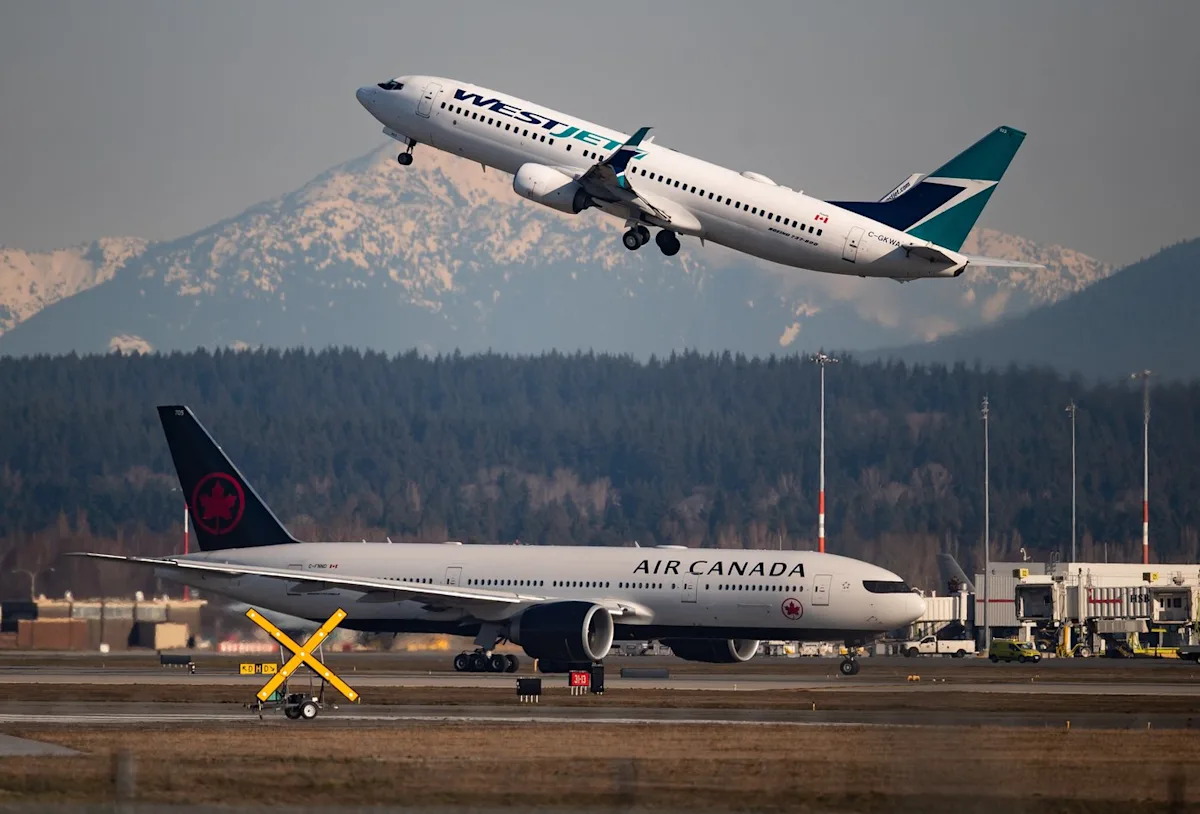

MONTREAL — The federal government on Monday offered loans to airlines struggling to cope with the soaring price of jet fuel, as fallout from the Iran war prompts them to slash flight schedules and cut profit forecasts.
The new program will let carriers borrow up to $150 million each, said Finance Minister François-Philippe Champagne.
Ballooning fuel costs have put severe pressure on airlines’ balance sheets, he said, framing the relief effort as a way to ensure “reliable and affordable” travel for passengers.
“By building on existing relief measures with targeted and temporary support for Canada’s airline sector, we are helping maintain connectivity, protect Canadian jobs and reduce pressures on travellers during this period of elevated fuel costs,” Champagne said in a news release.
Airlines that sign up must commit to “buy Canadian,” restrict dividends and executive compensation and maintain existing jobs in the country, the government said. The release did not spell out what buy Canadian refers to in the context of the loans.
The closure of the Strait of Hormuz caused by the Middle East war — now in its fourth month — has choked off nearly a fifth of global oil supply and sent jet fuel prices skyward.
As a result, profits among major North American carriers this year will shrink by US$3 billion or nearly a quarter, the International Air Transport Association forecast on Sunday.
While travel demand remains sturdy, Canadian airlines have cut less profitable flights from their schedules, raised gross fares and tacked on fuel surcharges to keep profit margins from shrinking too far.
Air Canada has cut at least a half-dozen routes as well as its adjusted earnings forecast by roughly $200 million for the year. WestJet has announced flight capacity cuts that will hit nearly six per cent — roughly 1,000 trips — this month.
Meanwhile, round-trip economy fares between Canadian cities rose 17 per cent at the end of May from a year earlier, according to travel search site Kayak.
Large airlines, which draw on more price-elastic corporate travellers and the allure of loyalty points, have multiple shock absorbers in their business models.
“Significantly higher fuel costs are a major headwind for airlines, but Air Canada still expects to offset 50 to 60 per cent of higher fuel costs in Q2 with some benefits from hedging and higher fares,” said National Bank analyst Cameron Doerksen in a note to investors, referring to the second quarter. Hedging policies help mitigate the risk of fluctuating fuel prices by creating fixed or capped costs on a chunk of purchases.