dailynewsnblog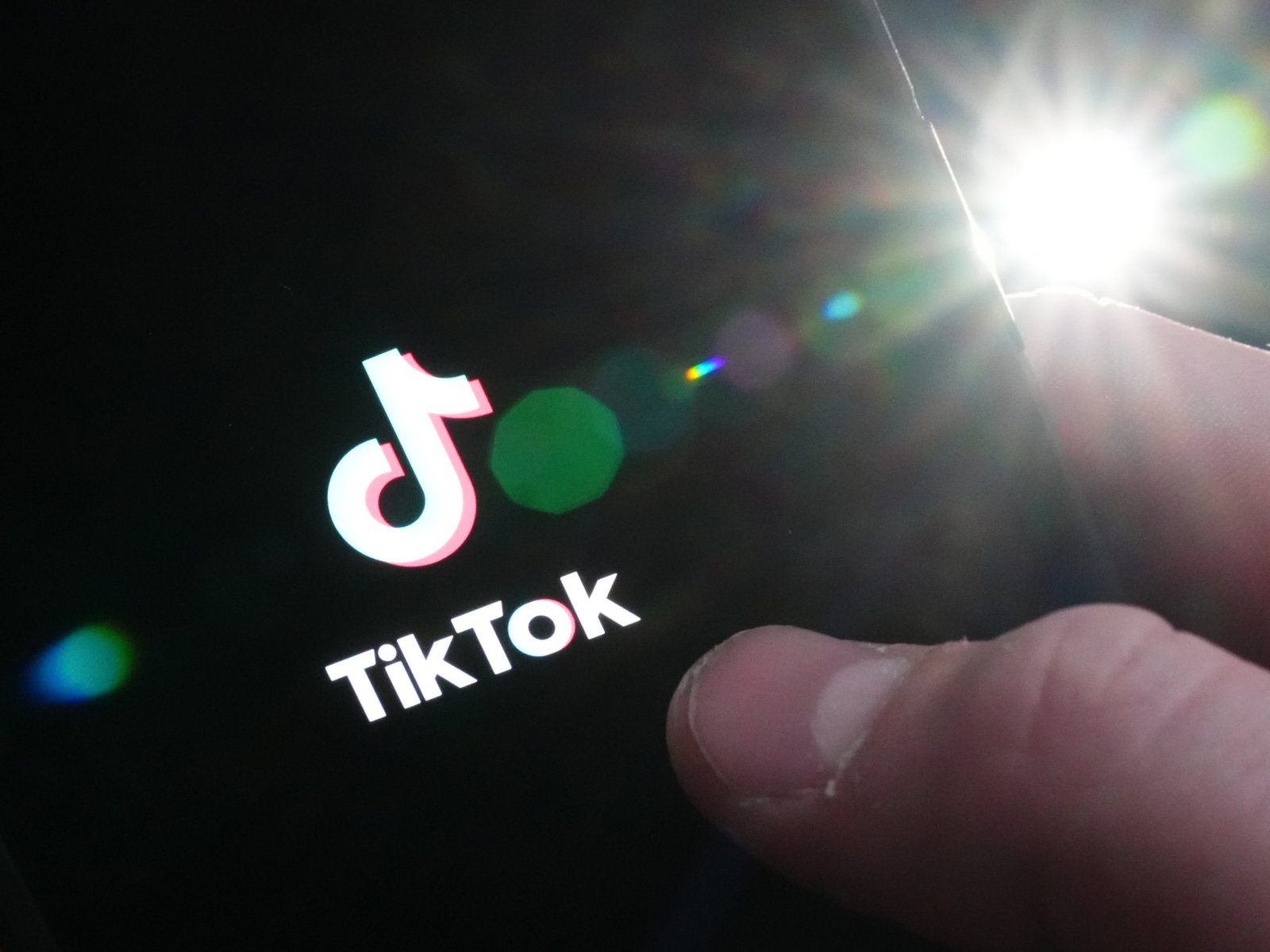
Canada may be inching toward a youth social media ban, but any expert says it may not be the most effective way to keep children away from harms online.
After Liberal members backed a proposal to restrict youth access to social media at the convention over the weekend, the federal government is now studying whether a ban or moratorium could become law.
However, ministers say it would only be one piece of a broader online harm strategy.
Over the weekend, Liberal Party members voted in favour of restricting young Canadians’ access to social media platforms. Similar to the one passed in Australia last year, it seeks to set a “minimum age of 16 for creating social media accounts” and would hold companies that run the platform accountable for preventing underage users.
While policies approved at the convention doesn’t mean the cabinet would automatically bring it into law, it serves as a major form of influence, and Identity and Culture Minister Marc Miller said a lot still needs to be studied.
“Online harms don’t end as soon as you turn 15 or 16 or 17, people can be particularly marginalized,” Miller said on Wednesday. “If you see analogous situations in the States, I think people would agree with me saying we shouldn’t have to rely on States or Provincial consumer laws to gain satisfaction, particularly after the harm has occurred.”
Miller told reporters that there’s no specific timeline yet on when a bill will be introduced, but it’s an “important layer,” albeit not the answer to everything.
“We have some work to do, frankly, if we ant to get it right,” Miller said.
Despite the resolution adoption, an expert says it’s not an effective answer to combatting online harms and keeping youths off social media.
Andrea Howard, a development psychologist and professor at Carleton University, argued the case for a youth social media ban is not supported by strong evidence. She pointed to research showing only small links between screen time and well-being.
“Most research in this area has relied on evidence from surveys in which people estimate how much time they spend on social media and also complete questionnaires about depressions, self-esteem, loneliness and other measure of psychological well-being,” Howard said.
While heavier social media use correlates with lower well-being, the effect is minimal, Howard added.
“It’s better to think of social media as something to go to, not something you do,” she said.
Howard said when it comes to combatting online harms with youths, parents should be the first line of defence, not the government.
“It feels like it’s about protecting kids, and it is to some extent… but I don’t need the government to help me parent my kids online,” she said.
As a more effective alternative, Howard proposed a user guide for parents to help navigate children’s online presence.
Howard, who’s also a mother of two, wrote to Liberal MP Anita Vandenbeld of Ottawa West-Nepean to address her concerns.
Howard added that if a ban is imposed, it wouldn’t just affect youths under 16. Instead it would affect everybody.
“Whether you’re young or old enough to be on social media, you have to provide some kind of documentation, or there has to be some kind of system to essentially connect your identity with your online presence,” Howard said.
It ties back to privacy risks, she said.
Platform regulation vs. Access restriction
Last year, Australia introduced a world-first ban on social media use for folks under 16.
While platforms have removed millions of accounts, a majority of teens continue to access social media by bypassing age checks. Regulators have also flagged gaps in age verification systems and ongoing exposure to online harms.
The push also marks a shift from Ottawa’s earlier approach under prime minister Justin Trudeau, like Bill C-63, which focused on regulating harmful content online rather than restricting who could access it.
Previous efforts include proposed online harms legislation, which aimed to hold platforms accountable for removing illegal and dangerous material.