dailynewsnblog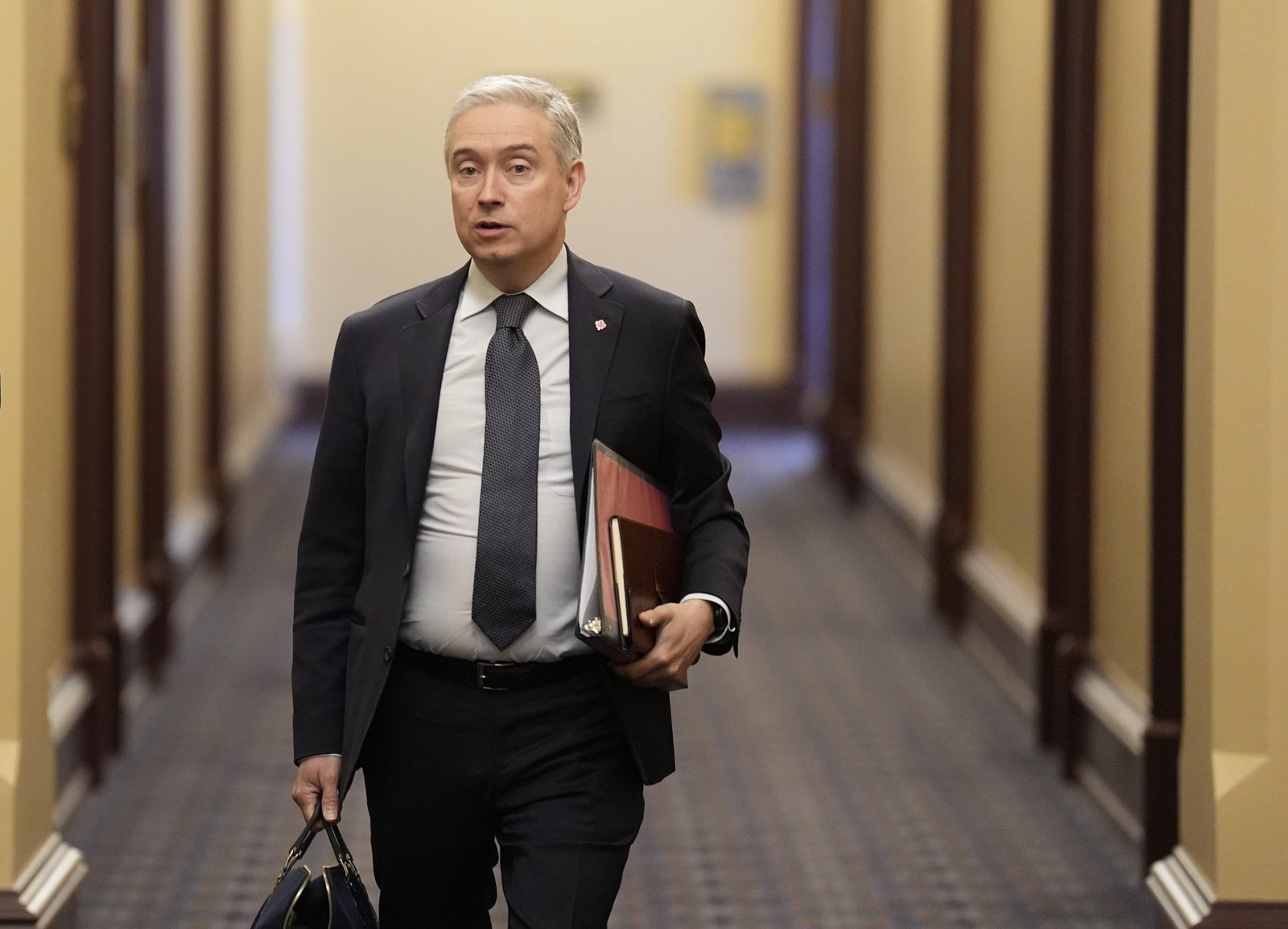
Announced last spring, the $25 billion vehicle is set to be funded through government borrowing and meant to take equity stakes in major projects across the country.
Ottawa has not yet borrowed the money needed to seed the new $25 billion Canada Strong Fund announced last spring.
A spokesperson for Finance Minister François-Philippe Champagne tells iPolitics the money is “booked,” but the fund’s transition team is still working to establish a board and CEO.
That process is running concurrently with a mandate review of other public investment vehicles, such as the Canada Infrastructure Bank, the Canada Growth Fund, Export Development Canada and more, in a bid to avoid duplication and competition in the federal financing ecosystem.
“Future money will be borrowed at the lowest rates,” writes spokesperson John Fragos.
Meanwhile, government bond yields — essentially the interest rate a government pays to borrow — are climbing globally and in Canada, meaning it now costs more to finance the same amount of debt.
The trend has been building for weeks in the U.S., U.K., Germany and Japan, driven by renewed inflation fears tied to fighting in the Middle East, mounting government deficits, and heavy borrowing by tech firms building AI data centers.
In Canada, the yield on 10-year Government of Canada bonds climbed to 3.75 per cent this week, up from 3.66 per cent just five trading days earlier, according to Bank of Canada data.
READ MORE: Feds launch new $25B public fund, invite Canadians to ‘co-invest’ in major projects
That is bad news for a fund set to be financed through debt, explains Paul Calluzzo, associate professor of finance at Queen’s University.
“The gap between borrowing [costs] and rate of return gets narrower, and it makes projects that could have previously been attractive unattractive,” he said. “It could make material changes to the profitability of these projects.”
Asked if he was concerned about the cost of financing the Canada Strong Fund, Champagne pointed to Canada’s AAA credit rating, saying the country is in an “enviable position” with some of the lowest borrowing costs in the G7.
He told reporters at the G20 finance ministers’ meetings in North Carolina this week he believes Canada’s finances are strong enough to handle the volatility tied to the recent global bond sell off.
Calluzzo says the higher costs of borrowing could be “mitigated somewhat” by less competition from private investors, who may face even steeper borrowing costs of their own. But he still sees rising rates as the “heavier” factor working against the fund.
Still, he says the market is unpredictable, and the government shouldn’t rush to borrow money now and lock in current interest rates out of fear rates will continue to rise in the coming months.
During the economic update last spring, government officials told iPolitics Ottawa expects the borrowing rate for the seed capital to range from 2.5 to 3.5 per cent. The 10-year bond rates have gone up almost half of a percentage point since then.
The initial projects that could benefit from the fund include those referred to the Major Projects Office and those that have received other forms of federal support, including from other public investment vehicles, according to the fiscal update.
With a file from the Associated Press