dailynewsnblog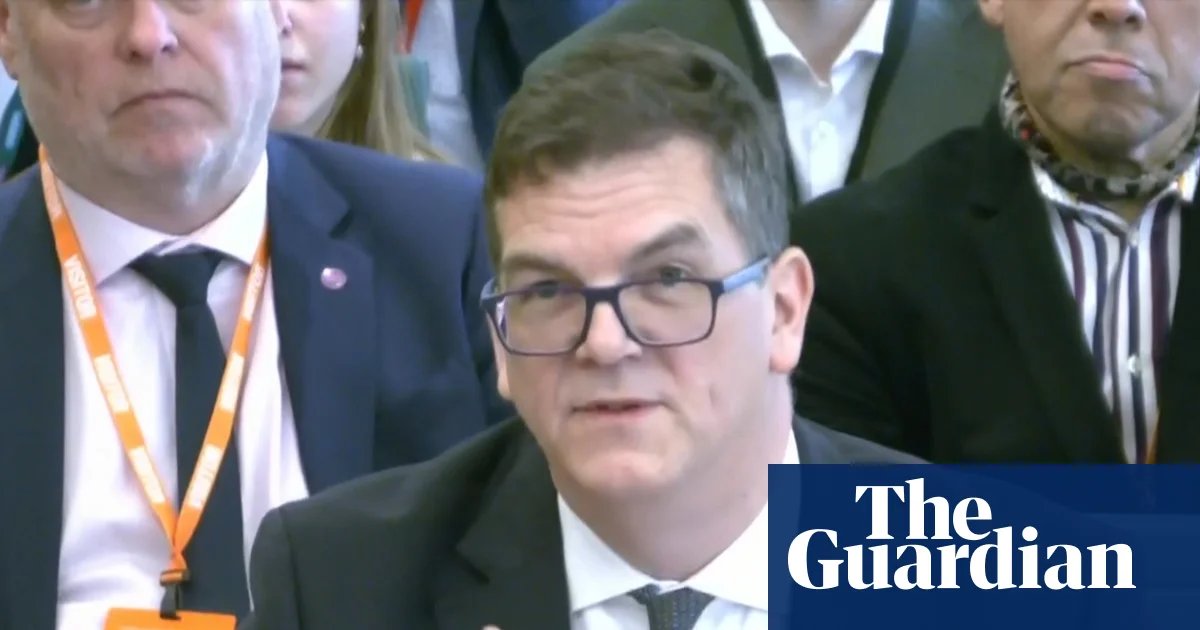
The civil servant sacked by Keir Starmer has given a devastating account of his government, saying Downing Street put huge pressure on the civil service to approve the appointment of Peter Mandelson as Washington ambassador despite the concerns of vetting officials.
Olly Robbins, the former top official at the Foreign Office, said No 10 took a “dismissive” attitude to vetting, and Mandelson was given access to the Foreign Office building and to “higher-classification briefings” before he was granted security clearance.
In more than two hours of precisely worded and detailed testimony to the foreign affairs select committee (FAC), Robbins said No 10 had created an “atmosphere of pressure” which made it almost impossible to deny clearance for Mandelson – who had already been announced for the senior diplomatic posting.
He also confirmed that senior government officials – including within the Cabinet Office – had been in dispute last week, as revealed by the Guardian, over whether to release documents relating to Mandelson’s vetting through the humble address process.
Starmer has come under intense pressure over the Mandelson scandal, with criticism even from within his own cabinet. Ed Miliband, the energy secretary and his predecessor as Labour leader, told broadcasters: “You’re saying he should never have been appointed and I agree with you.”
Labour MPs have been appalled by the recurring reminder that Starmer personally decided to appoint somebody with Mandelson’s reputation to the UK’s most sensitive diplomatic post, and warned that his leadership is now on borrowed time.
The Intelligence and Security Committee (ISC), which this week is going through hundreds more files relating to Mandelson’s time in Washington, has now been handed some vetting information including a short summary document with details of his personal, financial and business dealings.
However, the committee is understood to be furious at the lack of key documents relating to Robbins’ decision to overturn a recommendation from UK Security Vetting (UKSV) to deny clearance, and his failure to record notes of crucial meetings over the appointment.
The ISC process is expected to conclude within days, and the Cabinet Office will then sift through the documents, making redactions, meaning they won’t be released before parliament rises next week ahead of the May elections – meaning the scandal will return in the aftermath.
In an extraordinary parliamentary hearing which lasted more than two-and-a-half hours, Robbins told MPs:
-
He had granted clearance without being aware of the full extent of national security concerns over the Labour peer, making his decision without seeing the UKSV form – which said there was a “high” overall concern and concluded “clearance denied” – or even knowing the details.
-
Downing Street had tried to find a senior diplomatic role for another of Starmer’s close allies – his former communications chief Matthew Doyle – and asked Robbins to keep David Lammy, then foreign secretary, in the dark.
-
He had not told Starmer, Lammy or anybody else in No 10 about UKSV’s recommendation, only that clearance had been approved, bolstering the prime minister’s claims that neither he nor any of his aides knew.
In the hearing, Robbins told MPs: “I walked into a situation in which there was already a very, very strong expectation … that he needed to be in post and in America as quickly as humanly possible.”
It would have been “very difficult indeed” if he had denied Mandelson security clearance, he said, adding: “The PM’s nominee had been put out there to the public, announced, blessed by the king, agreed by the US government …
“All I can do is agree with the premise that against that backdrop, the Foreign Office saying: ‘OK but sorry, we can’t grant him clearance,’ would have been a very, very difficult problem. And a difficult problem I would have been landing the foreign secretary with, and the prime minister.”
Robbins said the pressure was applied mainly by the prime minister’s private office, which is staffed by civil servants. But he added: “I think that the private office would only have been [putting on] this pressure themselves if they were under pressure.”
Starmer hit back later on Tuesday, telling his cabinet Robbins was a “man of integrity and professionalism” but had made an “error of judgment” while No 10 denied that it had taken a dismissive attitude towards vetting.
Darren Jones, who announced a leak inquiry over the Guardian’s revelations, told MPs that the sacked official should have informed the prime minister that UKSV had recommended denying clearance.
After the hearing, FAC chair Emily Thornberry said it was right that Robbins had lost his job over the saga. “I had a great deal of sympathy for him and he’s in a very difficult position,” she said. “I still, though, don’t think it was wrong for him to lose his job. I’m afraid I don’t.”
Starmer had appointed Mandelson before Robbins took up his role at the Foreign Office, and also before security vetting had taken place, with senior officials telling the Guardian it was clear to them that No 10 wanted Mandelson in Washington whatever the risk.
Robbins said that before his own appointment there had been a “live debate” about whether Mandelson should have to undergo any vetting before he was appointed. He said his predecessor, Philip Barton, had to be “very firm in person” for the vetting to go ahead.
In a letter to the committee before testifying, he said he was briefed on the UKSV finding orally in January – this is understood to have been delivered by Ian Collard, the department’s chief property and security officer – and that no documents were presented to him.
He said UKSV considered Mandelson a “borderline” case and was leaning towards recommending that clearance be denied. In his evidence to MPs, Robbins said he was not made aware of the tick-box form recommending that Mandelson not be granted clearance.
Kemi Badenoch, the Conservative leader, told MPs during an emergency debate on the scandal: “The prime minister personally decided to appoint a serious, known national security risk to our most sensitive diplomatic post. The prime minister sent a known security risk to Washington, to a position where he would see our most important allies, top secret intelligence.”