dailynewsnblog
The United States’ fighter jet fleet is being slowly squeezed from both ends. There are simply too few modern fighter aircraft coming into service, all while too many experienced aviators are exiting the fleet. The result here is a force that senior leaders have been quick to describe as shrinking, aging, and becoming less ready for a high-end fight. Their warning is now extremely stark.
The United States Air Force is not buying enough fighter jets to replace worn legacy jets, while a pilot shortfall of around 1,800 and aggressive airline recruiting are hollowing out the talent needed to fly these advanced machines. When it comes to this unique kind of crisis, there is one critical point that needs to be made. The United States is currently at risk of fielding a fighter force that is older, smaller, and less combat-credible than strategy might demand.
A Look At What Exactly The Generals Are Concerned About

The specifics of this unique situation are rather visible. In an April 1 letter to Congress, all 22 adjutants general from states with Air National Guard fighter units called for multi-year procurement of between 72 and 100 new fighter jets annually. These figures are derived from a baseline of 48 Lockheed Martin F-35As and 24 Boeing F-15EX Eagle IIs. The desired end state for state fleets is 72 F-35A models and 36 F-15EXs, according to Air Force Times.
Their direct warning was extremely clear and concerning. The Air Force is now the oldest, the smallest, and the least ready in its history. Guard leaders argued that buying fewer than 72 fighters per year does not just slow modernization, but rather causes the force itself to actively shrink in size and capabilities. Analysts have also pointed toward 40-year-old aircraft, parts cannibalization and reduced flying hours as components that are already eroding readiness at the unit level.
Senior Fighter Pilots Are Being Hired Away

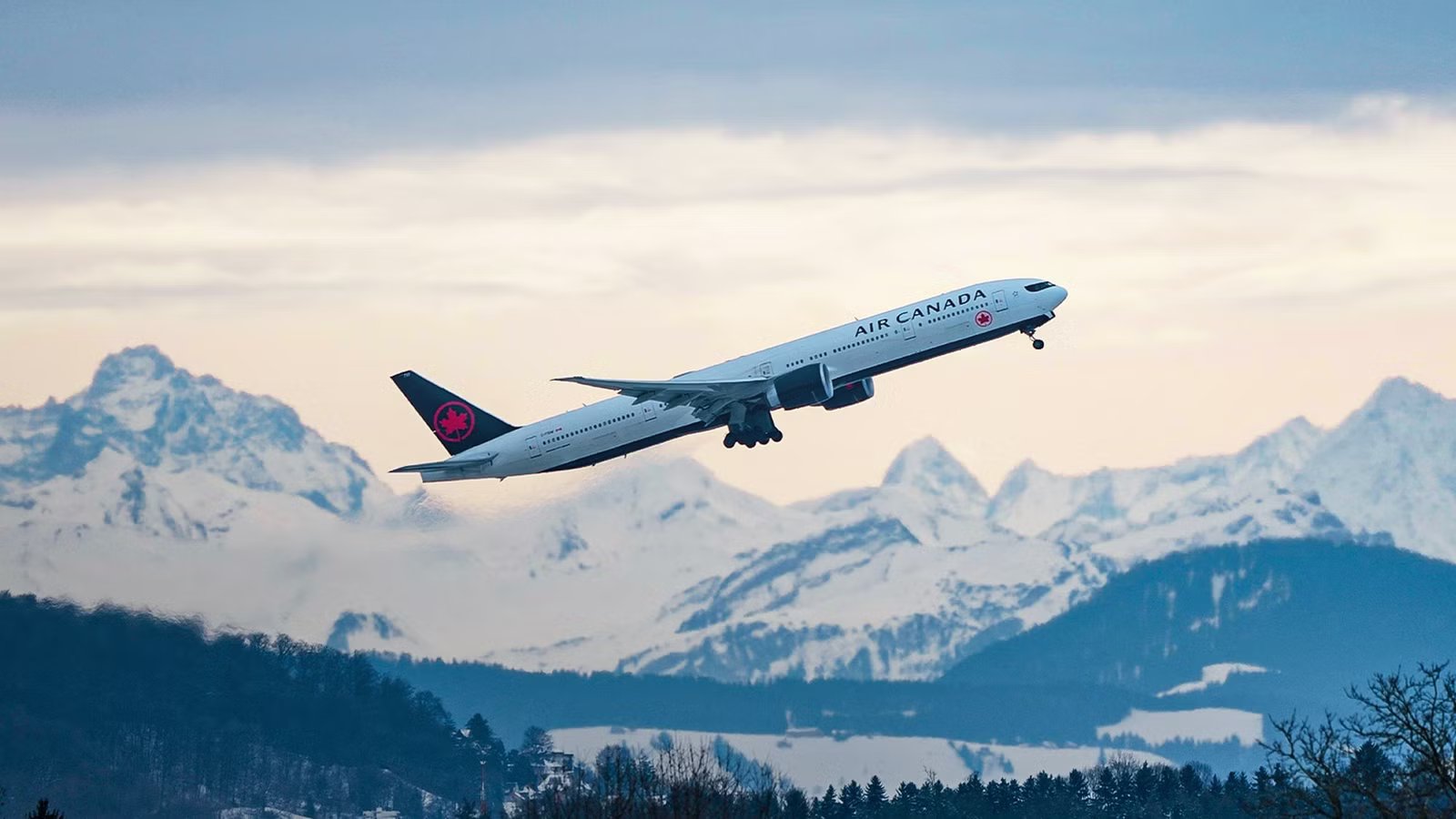
Senior fighter pilots are being quickly and efficiently hired away because the civilian offer is better in pretty much every way. The pay differential, something we have already extensively analyzed here at Simple Flying, is the most obvious factor drawing elite fighter pilots towards the private sector. Recent analysis says that commercial airlines are hiring around 7,600 military-trained aviators every year.
This is all while senior wide-body captains at major airlines can manage to earn roughly $450,000 to $550,000 annually, far above the Air Force’s base-pay ceiling. Nonetheless, the issue is not just with their salary. Rather, airline jobs also offer more control over where a pilot lives, more family stability, fewer forced relocations, and a cleaner job description centered on flying rather than carefully managing administrative burdens. The seniority system matters too.
Fighter operators who leave earlier lock in better long-term career progression and significantly higher lifetime earnings, something which makes an early departure financially rational. Commercial airlines are also facing pilot shortages, meaning that they are offering even more lucrative packages to try and attract qualified individuals with strong backgrounds.

Is It True That US Air Force Pilots With The Highest Ranks Earn Less Than Commercial Pilots?
This is certainly a fascinating financial question.
What Can Be Done To Address This Challenge?

There are a few key things that can be done to address this problematic and increasingly visible shortage. However, doing so is both expensive and politically difficult. For starters, the United States Air Force needs to retain aviators with compensation packages that are actually competitive. There are few ways they could do this, including through higher retention bonuses, targeted incentive pay, or broader reform of compensation caps that currently make military service financially noncompetitive for senior aviators.
Second, quality-of-life issues have also been treated as key pieces of the puzzle. Pilots want more predictable schedules, fewer unnecessary moves, and less non-flying administrative work would directly improve pilot retention. Third, the service has to rebuild fleet readiness by buying enough fighters to stop the fleet from shrinking.
This is because old aircraft and low mission-capable rates reduce flight hours and make the job considerably less attractive in nature. In other words, solving the pilot crisis required both better career economics and a healthier force structure. With new policies in place, there just might be more fighter operators choosing not to leave the organization.