dailynewsnblog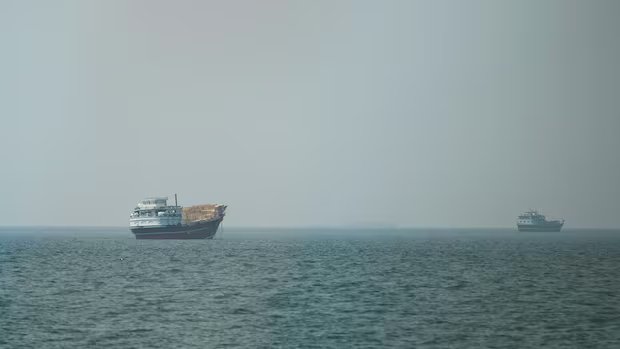

Listen to this article
Estimated 3 minutes
The audio version of this article is generated by AI-based technology. Mispronunciations can occur. We are working with our partners to continually review and improve the results.
Oil prices rose on Tuesday to their highest in four weeks, after the U.S. reimposed a naval blockade of Iran and renewed attacks between Washington and Tehran heightened concerns over energy flows through the Strait of Hormuz.
Brent crude rose to its highest since June 12 and West Texas Intermediate (WTI) to its highest since June 16 — before the United States and Iran signed a memorandum of understanding to end the conflict on June 17.
Brent crude futures were up $2.89, or 3.47 per cent, to $86.19 per barrel US at 7:58 a.m. ET, while WTI crude, the American standard, rose $1.53, or 1.96 per cent, to $79.67 a barrel.
That’s above where prices have been in recent weeks, when a barrel of Brent crude fell into the low-$70 a barrel range, but below the highs seen earlier in the war, when it exceeded $110.
“Despite signing the memorandum of understanding and having a deal, this did not last for even a few weeks. So that’s the concern the market is trying to price right now,” said ANZ analyst Soni Kumari.
“What we think is that the peak of the escalation is behind us, but there are upside risks to oil prices if these disruptions continue, and that will keep prices in the $85-$90 range.”
That’s also sent gas prices up a little. In Canada, the average pump price is $1.665 per litre, 2.5 cents above last week’s average, according to price tracking site GasBuddy.com.

Several food suppliers have warned grocers of fuel surcharges due to the soaring cost of fuel, and that could mean even higher prices on your next grocery run.
Hostilities between the United States and Iran intensified this week, as U.S. President Donald Trump reinstated a blockade of Iranian shipping and proposed charging a 20 per cent fee to guard the Strait of Hormuz.
The waterway is a critical artery for global energy trade, carrying about a fifth of the world’s daily oil and liquefied natural gas supplies before the conflict began.
Amid the strikes, one Indian crew member was killed and eight others were wounded when two Emirati oil tankers were struck by Iranian cruise missiles in the Strait of Hormuz, the United Arab Emirates Ministry of Defence said.
Shipping data on Monday also showed the number of tankers transiting the Strait of Hormuz fell in the past day to the lowest level in two months.
Citi said in a note that the possibility of the Iranian regime walking away from the memorandum of understating until after the U.S. midterm elections has also risen, a scenario that would most likely see higher for longer oil prices.

The United States and Iran have reignited attacks over the Strait of Hormuz less than a month after signing a preliminary deal to end the war. This comes as the U.S. military says it plans to reinstate its blockade on Iranian ports Tuesday.
Iran’s oil exports continue as usual despite the cancellation last week of a 60-day waiver of U.S. oil sanctions, oil minister Mohsen Paknejad said on his official Telegram account.
Elsewhere, Yemen’s Houthis fired missiles at Saudi Arabia after accusing the kingdom of bombing an airport under its control on Monday.
“If the Houthis extend their attacks to Saudi’s crude products in the Red Sea, it could put (further) uncertainties on crude flows from the region,” Simon Wong, a portfolio manager at Gabelli Funds, said in a note.