dailynewsnblog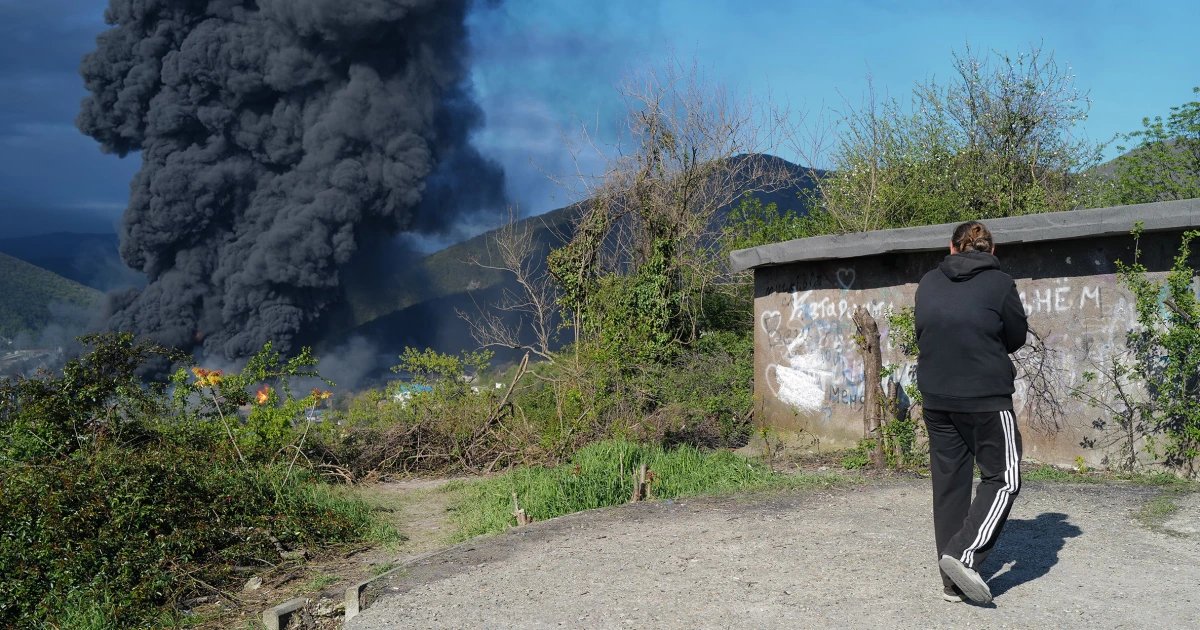
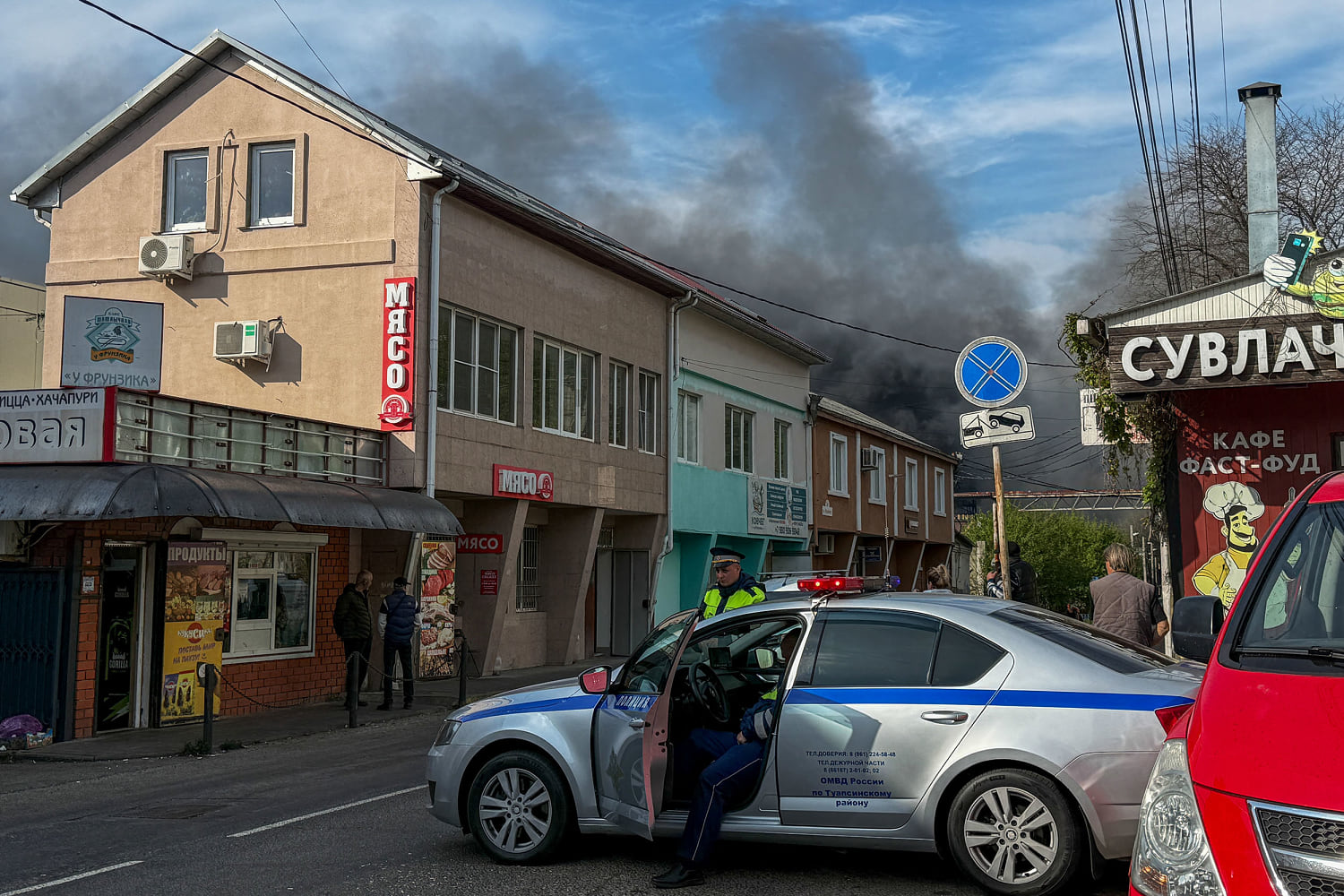
The town is usually home to some 60,000 people, as well as the scores of tourists who visit in the summer to enjoy mild weather, sunshine and beaches. Instead, the black smoke from the fires can be seen in satellite images, and some locals have shared images of black droplets covering their car windshields and windows.
Russian state media largely ignored the situation in Tuapse until the third attack, on Tuesday. But volunteer groups have been sharing images of cleanup operations on the local beaches, where they have been trying to scoop up oil from the gravel and sand, and wash street animals and sea birds off black sticky tar.
Tuapse now finds itself the latest Russian hot spot in the four-year conflict that is increasingly weighing on Putin’s domestic popularity.
The Russian leader dispatched his emergencies minister, who said Tuesday the situation was “under control” and oil was no longer escaping from the refinery. Putin said later Tuesday that “there don’t seem to be any serious threats” to the town. He accused Ukraine of resorting to such “terror” strikes because it couldn’t stop the advance of Russian troops on the battlefield.
Regional Gov. Veniamin Kondratyev shared a video of himself walking around the town with smoke billowing in the background and oil that escaped from a damaged reservoir streaming down a street.
Heavy machinery and more than 600 cleanup crews were deployed to work on the town’s shoreline, Kondratyev said, as he vowed to residents to “return” life to what it was before.
Russia’s consumer safety watchdog warned locals to avoid being outdoors, keep their windows closed and rinse their eyes, nose and throat. But on Wednesday, the agency’s chief said there was “no health risk” for local residents.
NBC News spoke with three volunteers who helped with the cleanup efforts and aid delivery to first responders and animal shelters.