dailynewsnblog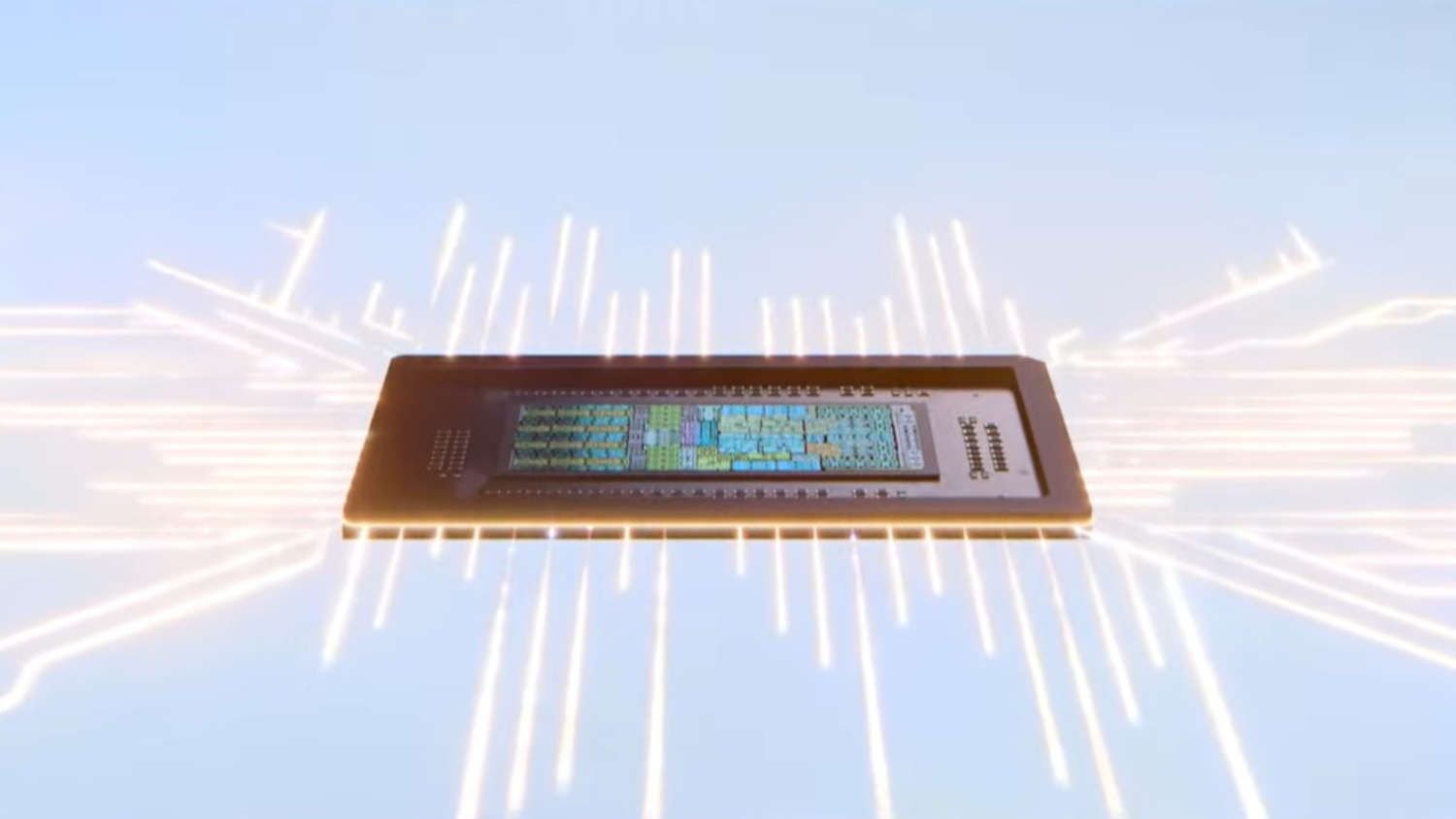
The new Nvidia RTX Spark is an Arm-powered system-on-chip (SoC) set to be the heart of new super thin-and-light gaming laptops and mini PCs. It comes packing up to 20 Grace CPU cores and up to 6188 CUDA cores in its GPU, alongside up to 128 GB unified LPDDR5x memory. And one of the most tantalising things of having an Arm chip powering a genuinely gaming-capable skinny laptop is the promise of unprecedented gaming battery life.
During our pre-Computex briefing on the introduction of the new “superchip” product marketing lead, Mark Aevermann was careful not to make any definitive promises of extreme battery life, despite calling it “the most efficient pc chip ever built”. But he did note that we “should expect it to be much better than anything you’ve seen before on RTX laptops.”
Which is certainly promising. While we’re expecting all-day battery life for standard non-gaming workloads, when you’re really pushing gaming workloads it’s going to stress the battery a whole lot more.


“Gaming battery life… it’s going to vary on a whole lot of factors,” says Aevermann. “Just like any laptop out there, literally any laptop, if you pull the maximum you can out of a battery you’re only going to get 45 minutes to an hour. That’s true of every laptop on the market. So it very much depends on if things like frame rate targets, the settings of an individual game, what the laptop’s battery capacity is, so on and so forth.”
But with frame rate targets and such, Intel’s G3 Extreme handheld chips are getting up to five hours of gaming battery life in intense 3D gameworlds, and up to 11 hours in something less-intense, such as Team Fortress 2. Maybe we won’t get up to that level with a super-thin RTX Spark gaming laptop, but maybe with the right settings we could get close.

Best gaming rigs 2026