dailynewsnblog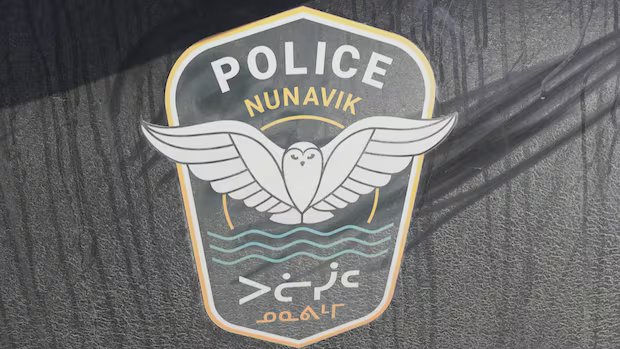

Listen to this article
Estimated 4 minutes
The audio version of this article is generated by AI-based technology. Mispronunciations can occur. We are working with our partners to continually review and improve the results.
A third-party report has made a suite of recommendations for the Nunavik Police Service (NPS) to become a “distinctly Inuit public safety system”.
The Kativik Regional Government (KRG) and Makivvik requested the law firm, Bélanger Sauvé S.E.N.C.R.L., and Consultant Réjean Hardy Inc. to conduct an audit in May 2025 after several fatal police-involved shootings in the region.
Just months later, a six-year-old girl was killed during an exchange of gunfire which involved Nunavik police officers.
The report focuses on pathways to boost Inuit representation in policing and allow Nunavik authorities to have greater control over its services.
It says the enforcement of southern Quebec laws, which aren’t suited to the North, has led to a “slow disconnection” between the police and the communities they serve.
At the same time, police interventions are becoming more dangerous with crime and drugs on the rise.
The number of Inuit officers has also decreased over time. As of February, only three of the roughly 180 NPS officers are Inuit.
Lawyer Eugénie Veilleux, a co-writer of the report, says the few Inuit officers often face burnout, and there’s a lack of psychological support for the trauma they face when policing their own communities.
“Because they had familiarity with the language and the culture, people were more likely to go see them instead of the other officers that were from the south of Quebec, so they were much more solicited,” she said.
Boosting Inuit representation
The report calls for a series of legislative amendments to the Police and Kativik Acts to give regional authorities greater control over hiring.
Veilleux points to Cree communities who have negotiated their own provisions into job requirements.

“We’re not saying that Nunavik exactly needs the same modifications, but we’re saying that if we know exactly what kind of modifications we want and requirements for training and what competencies … these are the kind of amendments that could be made,” she said.
To further boost Inuit representation, the report recommends an exemption for Inuit applicants for certain minor offences, the creation of an Inuit-led police training program in Nunavik, and the return of the special constable program from the early 2000s.
It also calls for stronger cultural training for officers coming into the region.
Makivvik, KRG and NPS all declined to comment on the report’s findings until the end of the month.
Improved working conditions
Almost half the officers have been with the NPS for less than two years – but the report does acknowledge the steps taken to try to recruit and retain workers.
These include the return of the cadet program, increased training opportunities, better working conditions and benefits.
Officers recently received a significant salary increase averaging roughly $30,000 according to Radio-Canada.
Veilleux says underfunding of Indigenous police services in Quebec has traditionally been an issue, but that changed after a 2024 Supreme Court of Canada decision that found the provincial government failed to act in good faith by refusing to renegotiate its police services agreements with the Pekuakamiulnuatsh First Nation.

The report also calls for the United Nations Declaration on the Rights of Indigenous Peoples to be enshrined in Quebec’s legislative framework – a recommendation shared by Quebec’s ombudsperson in a 2023 follow-up report on the Viens Commission recommendations.
“It is the bedrock for any attempt at reconciliation, collaboration, rights-recognition and co-construction with First Nations and Inuit,” the report said.
In a statement to CBC News, Ian Lafrenière, Quebec’s minister of public security, says he is taking the audit report seriously. He also emphasized the positive feedback he’s received about the new police leadership.
“I commend the NPS’s genuine commitment to rebuilding the trust of the communities. Work will therefore continue in close collaboration with the KRG, Makivvik, and the NPS.”