dailynewsnblog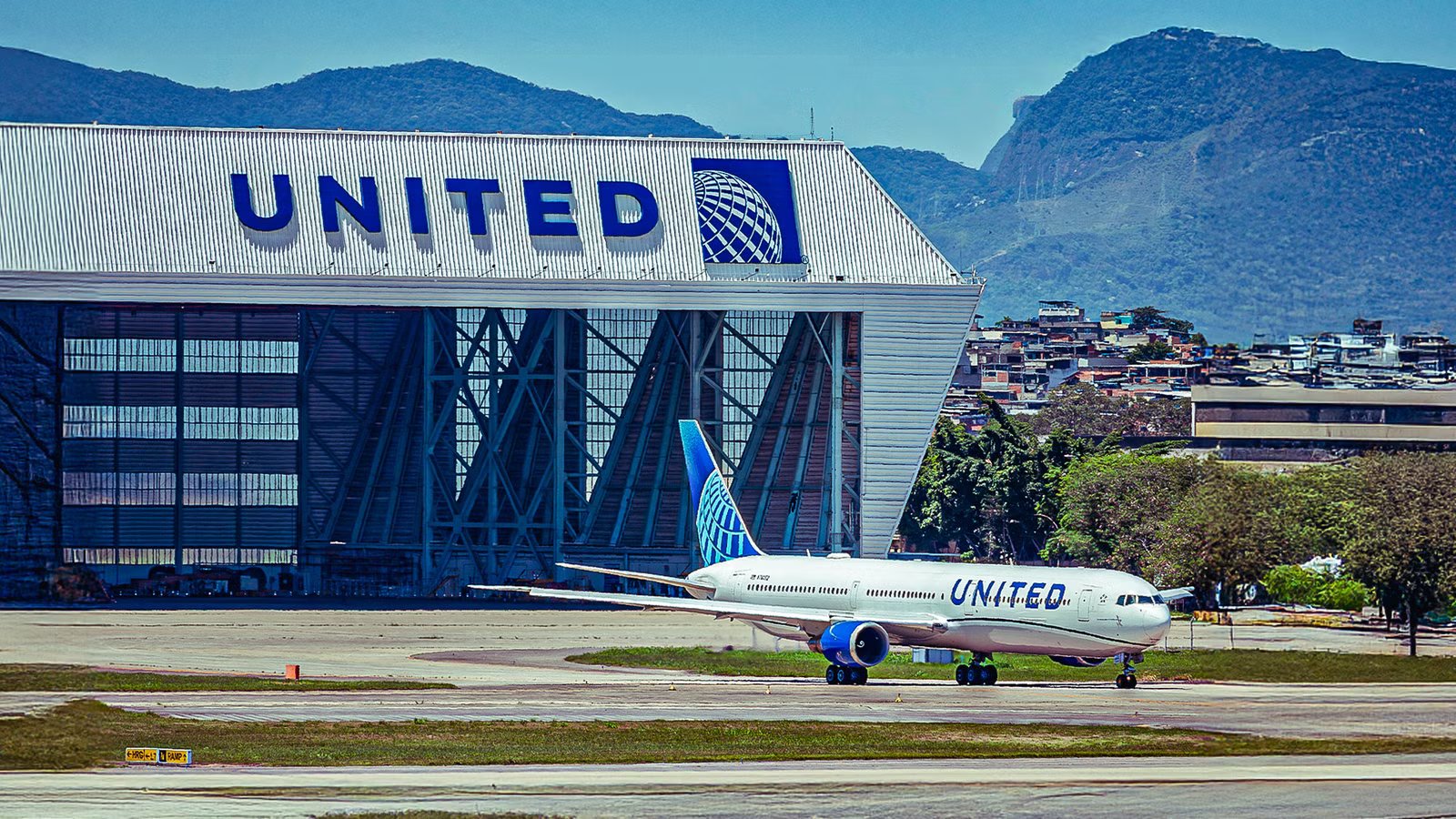
 United Airlines Flight 169 made headlines when it struck a light pole during its landing at
  Newark Liberty International Airport (EWR) on May 3. The National Transportation Safety Board just released its 11-page preliminary investigation report into the mishap, revealing that the Captain had received multiple warnings that the plane was below ideal glideslope and airspeed.
The NTSB reported that the pilot received cockpit alerts as well as verbal warnings from the first officer before striking the light pole that was just 15 feet above the New Jersey Turnpike. In the collected voice recordings, the captain reported hearing a “thump” after colliding with the pole that would severely damage the plane and injure a truck driver when it collapsed on the moving vehicle.
Bumpy Ride to Newark: One Small Thump for United Flight 169

The pilots of Flight 169 conducted their approach during a very windy day with gusts up to 31 miles per hour, which also led to air traffic control changing the runway three times in quick succession during the approach. The final airstrip that was selected was also the shortest of all the runways at Newark. It was reported that the Precision Approach Path Indicator clearly indicated to the pilot that the plane was too low with four red flashing signals. Simultaneously, in the preliminary report, the controllers were completely unaware of the plane’s dangerously low altitude.
It wasn’t until approximately 30 minutes after the plane had already landed and taxied to the gate that ground controllers radioed the pilots to report that a ground crew noticed a “hole in the side of the airplane,” according to CNN. Although the plane landed safely, the NTSB confirmed the Boeing 767 sustained significant damage to its fuselage and underside from the collision and will require extensive repairs.
The official NTSB report recounts the final moments just before the plane touched down when the air crew realized that the plane was below glideslope but did not have enough time to react before landing:
“The First Officer recalled that he stated, “Hey you are slow,”… however they were just about to touch down, and he didn’t process the information in time to get a go-around callout verbalized.”
Danger on the New Jersey Turnpike: In the Line of Fire

The initial reports from the incident involving United’s 767 that struck the lighton its way into Newark speculated that the landing gear may have also struck the truck that was hit at the same time. Bystander videos and dash cam footage from the vehicle did not clearly show exactly what the truck collided with as the plane passed overhead. The new NTSB preliminary report now clarifies that it was the light pole itself and not the wheels of the plane.
The NTSB confirmed there were no aircraft tire skid marks or impact marks anywhere on the roof of the tractor cab or the trailer. All the same, the driver of the tractor-trailer belonging to Schmidt Baking Company was hospitalized after the accident. Warren Boardley Jr., of Baltimore, was bound for a bakery depot in Newark at the time of the mishap. Boardley was not severely crushed, but he sustained cuts to his arms and forearms from the violently shattered windshield glass.
The falling debris from the impact between the jet and light shattered the truck’s windshield and punctured the front area of the trailer. Despite the extreme shock, Boardley later recounted that he initially feared he was going to be decapitated. He managed to maintain control of the massive vehicle and safely pull the tractor-trailer over to the side of the Turnpike.
Tell-Tale ATC Sign: Why United Airlines’ Boeing 767 Pilots Likely Had No Idea They Hit An 18-Wheeler
A closer look at the circumstances that led to this unusual incident.
The Next Steps: Finding The Root Causes

The next steps in the process typically take the NTSB 12 to 18 months to complete as they now transition to an exhaustive analysis of debris from the accident. These tests seek deeper data to find hidden factors that will help inform aviation safety and prevent future occurrences of the same accident.
Investigators will scrutinize the crew’s schedules, sleep history, and medical records. They will also examine the exact wording and timing used by pilots and air traffic controllers. The NTSB will map the exact flight path against digital flight data recorder inputs. Pieces of the broken light pole and damaged aircraft fuselage will be analyzed.
The Federal Aviation Administration could permanently revoke or suspend the Captain’s medical and pilot certificates due to reckless operation and ignoring critical safety warnings. In rare cases of extreme negligence, pilots can face federal criminal charges for endangering an aircraft.