dailynewsnblog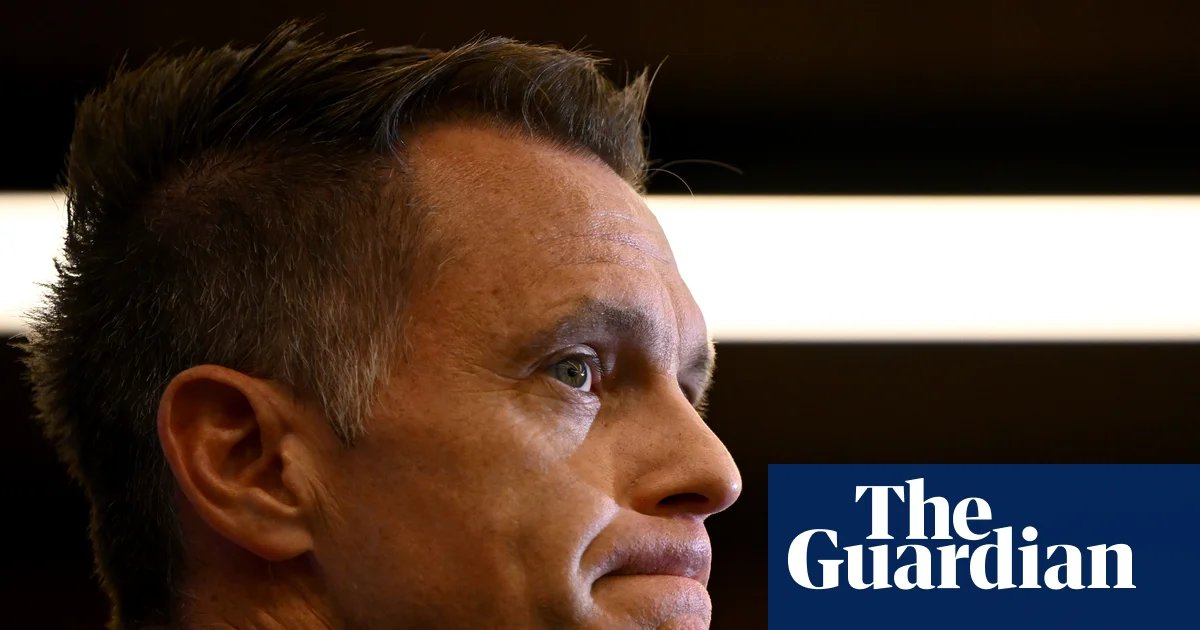
The Minns government plans to give New South Wales councils stronger powers to shut down unlawful places of worship as part of a crackdown on “factories of hate” in the wake of the Bondi terror attack last month.
The new laws – announced on Monday – aim to clarify the power to shut down premises and will introduce bigger fines, along with the power to cut off utilities to places that continue to operate in breach of a shut down order.
Councils will be required to consult NSW police before they grant approval to any religious premises, and fines for operating without development consent will jump from $11,000 per individual to $110,000. For corporations, fines will increase from $22,000 to $220,000.
Last month, the City of Canterbury Bankstown council moved to close an “illegal” Islamic prayer hall associated with the controversial cleric Wisam Haddad, which has come under renewed scrutiny since the Bondi massacre.
A review of records dating back to 1970 revealed the centre never had approval to operate as a prayer hall and was only recently being approved to operate as a medical centre, the council said in a statement.
Media reports have claimed Naveed Akram, the alleged Bondi beach gunman, was a follower of a Dawah preaching movement Haddad led.
However, a lawyer for Haddad said he “vehemently denies any knowledge of or involvement in the shootings that took place at Bondi beach”.
Sign up: AU Breaking News email
Minns insisted the new powers were necessary to deal with hate speech being preached behind closed doors but also said councils would not be required to be arbiters of what was hate speech.
“This reform is aimed squarely at shutting down ‘factories of hate’ – places that operate unlawfully while promoting hatred, intimidation or division within the community,” he said.
“These reforms give councils real powers to act when premises are operating unlawfully and spreading division.
“This is about protecting social cohesion, keeping communities safe and upholding the values that unite us as Australians.”
The premier denied the new laws could impact prayer meetings in people’s homes or a study or Bible group.
“It wouldn’t apply,” he said.
Rather he said the new laws were aimed at sending a clear message that councils and the federal and state governments were not condoning hate speech in the community by allowing illegal prayer halls to stay open.
“We should take it as read that they’re trying to divide our community and they’re trying to put hate in someone’s heart, and we should confront it where we see it,” he said.
Although councils will now need to consult NSW police on “community safety matters” before granting a development consent for a religious premises, Minns insisted the police would not have a veto power on whether a new religious premises should be approved.
Civil liberties organisations raised concerns about the potential for the reforms to infringe freedom of religion.
Timothy Roberts, the president of the NSW Council for Civil Liberties, said the council was “very concerned about empowering councils to make decisions infringing on freedom of speech”.
“Councils already have a lot to do,” he said. “They are 100% ill-equipped for this role and it will rely on community members informing on each other. Where does this stop?”.
The acting opposition leader, Natalie Ward, accused the premier of “chasing a headline” and not providing a comprehensive solution to the rising tide of antisemitism in Australia, which she said had been obvious for two years.
She said the government had refused to support opposition amendments to recent hate speech laws that were passed before Christmas.
On Monday Minns also foreshadowed more legislative measures to deal with hate speech in the near future.
Submissions to a NSW parliamentary inquiry looking at banning slogans likely to incite hatred close on Monday.
There will be no public hearings before the committee reports by 31 January.